
Last updated November 16, 2026
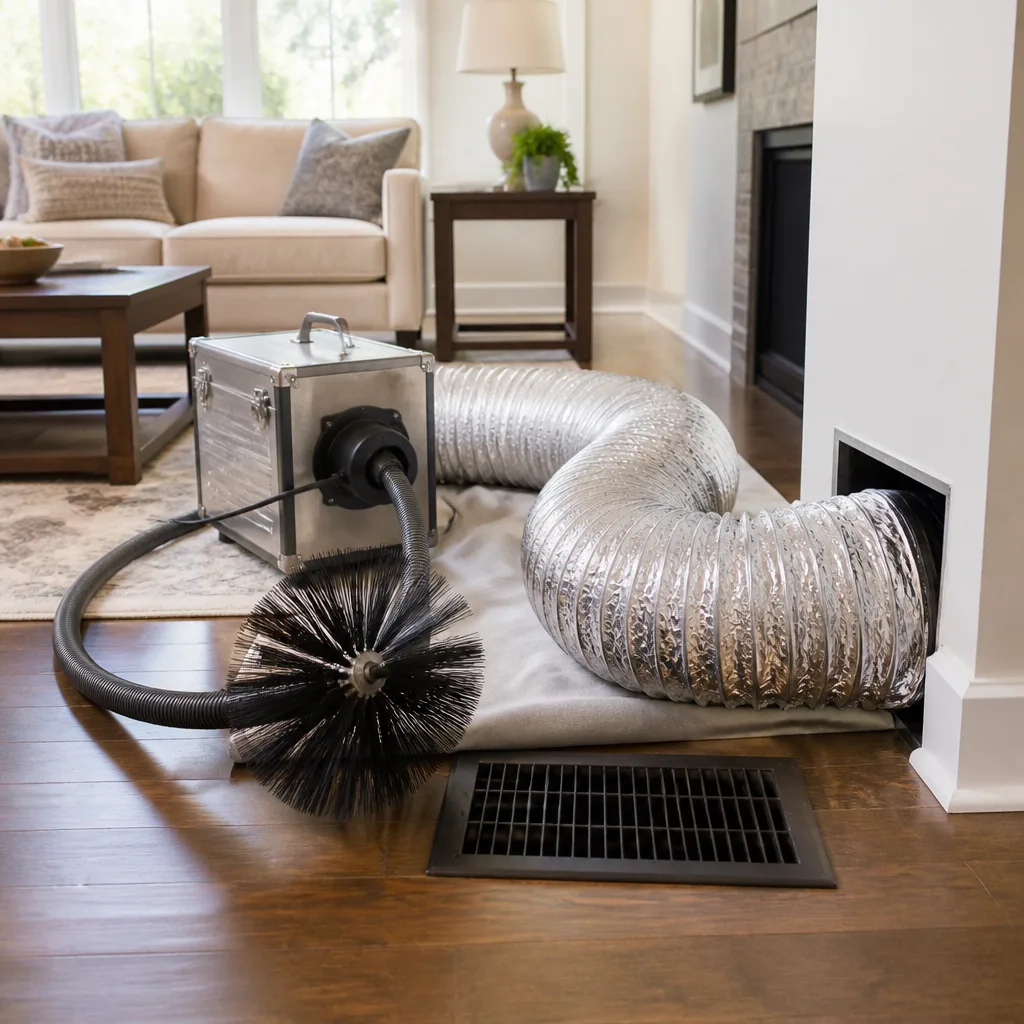 Whole-home duct cleaning
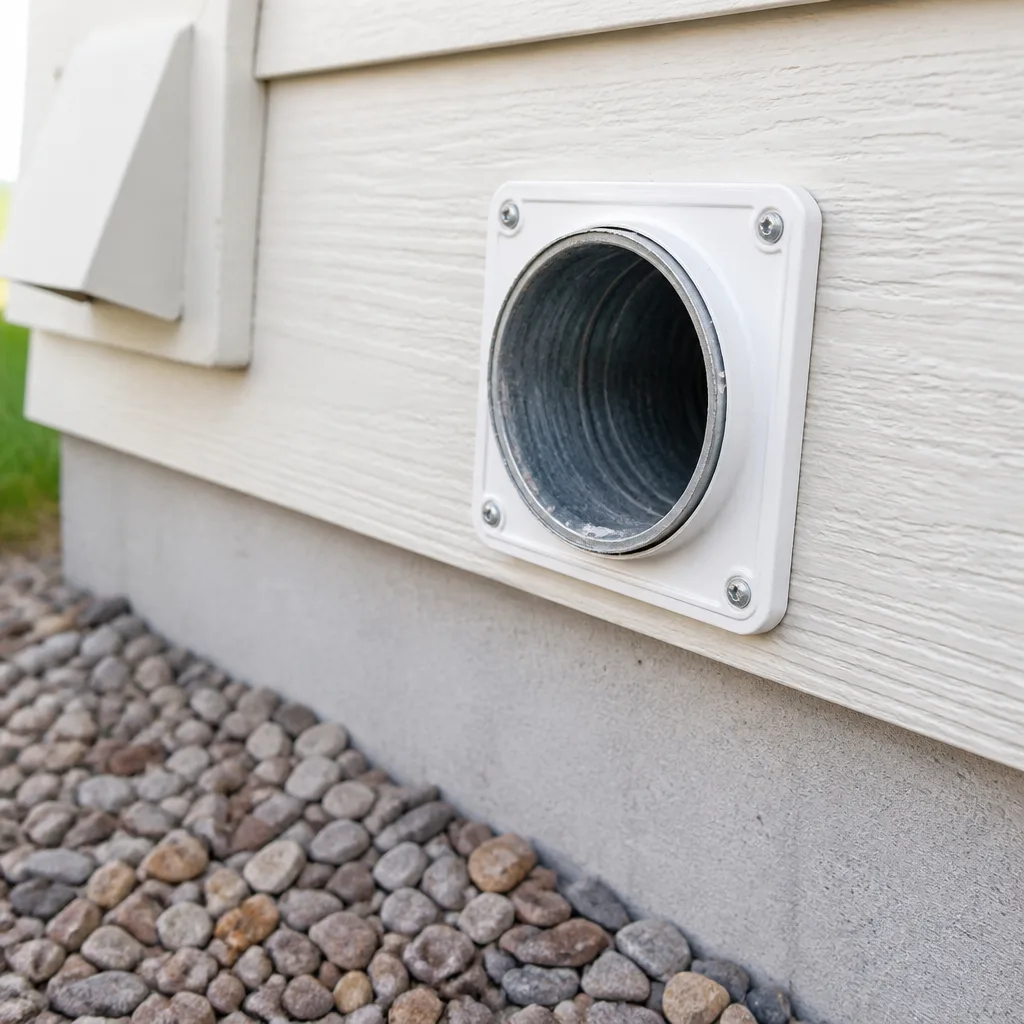 Dryer vent cleaning
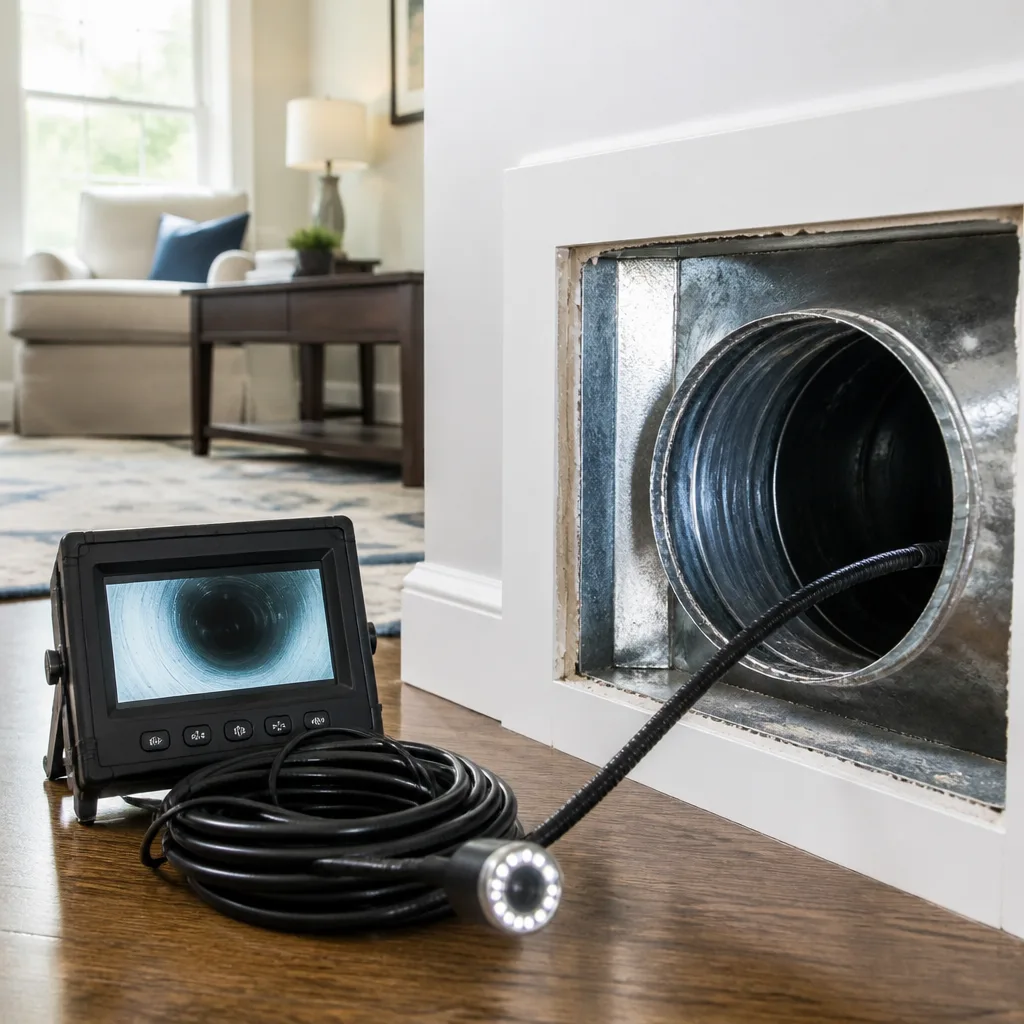 Camera inspection
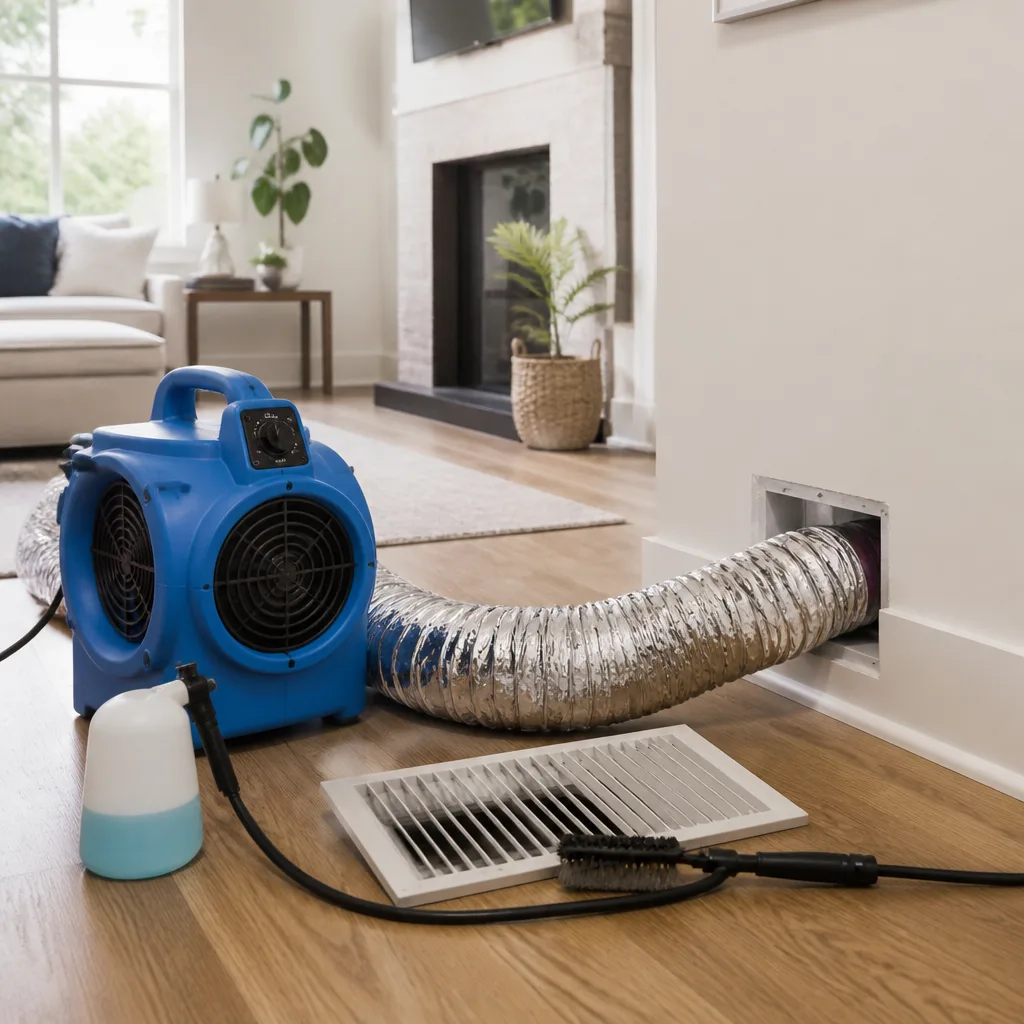 Sanitizing & deodorizing
Whole-system duct and dryer vent check with before-and-after photos - you see exactly what came out of your vents
That "$99 whole-house special" is a bait ad - the real number appears once they are in your hallway, or the "clean" is a shop-vac at the register. We photograph the inside of your ducts before and after instead.
Choosing the Right Air Duct Cleaning Brand: A Buyer’s Guide for Albany
Ask a homeowner in Albany to name a professional duct-cleaning system and most will draw a blank. That’s not a knowledge gap on their part. The names that decide whether a cleaning actually removes contamination, Rotobrush, Nikro, Abatement Technologies, are names that never show up in consumer advertising. Contractors who invest in that equipment have little reason to explain the difference, because explaining it invites comparison. This guide hands you the vocabulary instead. By the end you’ll know what each category of equipment does, why it matters for the air moving through your house, and how to ask a contractor about their setup in a way that gets an honest answer rather than a sales pitch.
Quick Answer
The right air duct cleaning brand is the one that can name its equipment, explain how it creates negative pressure, and show you before-and-after photos of your own system. Professional-grade tools like Rotobrush contact cleaners, Nikro negative air machines, and Abatement Technologies HEPA units separate real cleaning from a shop vac and a promise. In Albany, ask three things: what equipment comes on the job, whether repair work is handled in-house, and whether the price is set per system in writing before anything starts.
Styles & brands we work with
- Whole-home duct cleaning
- Dryer vent cleaning
- Camera inspection
- Sanitizing & deodorizing
Table of Contents
- Why Equipment Brands You’ve Never Heard Of Decide the Result
- What Rotobrush Does That Air-Sweep Methods Can’t
- How Nikro Negative Air Machines Make Agitation Work
- What Abatement Technologies Equipment Is Built For
- How to Ask a Contractor About Their Equipment
- Why Equipment Investment Correlates With Contractor Seriousness
- The Repair Gap Most Duct Cleaners Can’t Fill
- Your Dryer Vent Is a Fire Risk, Not a Maintenance Afterthought
Why Equipment Brands You’ve Never Heard Of Decide the Result
Duct cleaning has an uncomfortable truth at its center: contaminated air keeps moving whether or not you remove the contamination. A system full of dust, debris, and settled particulate doesn’t care what a contractor claims on a quote. It only responds to tools that can reach the surfaces, loosen what’s bonded there, and pull it out of the house while it’s airborne. That’s a hardware problem before it’s a labor problem, and the hardware has names.
Walk through the categories and the reason professional names stay out of consumer advertising becomes obvious. Most homeowners don’t shop for duct work often. They call whoever answers, hear a low number, and book it. A contractor running consumer-grade equipment doesn’t want to be compared on tools, so the conversation stays on price. That’s the pattern, and it’s exactly why the vocabulary matters: once you can ask about contact cleaning and negative pressure, the conversation shifts to what’s actually being done.
In our experience working with Albany homeowners, the ones who research first tend to ask better questions and end up with a job that actually changes the air in their house. This guide is for them. It covers what each class of equipment does, how the categories fit together on a real job, and the specific questions that separate a professional setup from a vac-and-brush operation.
For the full picture on what a proper cleaning involves here, see air duct cleaning and how it’s handled in the Albany market.
What Rotobrush Does That Air-Sweep Methods Can’t
Rotobrush is a contact cleaning system. That single word separates it from most methods. Air-sweep equipment, the kind many low-bid companies carry, works by blasting air down the duct and hoping settled debris goes with it. It’s quick. It’s also limited, because debris that’s bonded to the duct wall doesn’t move just because air passes over it. Dust settles, builds up, and cakes onto surfaces over time, and a burst of air moves the loose stuff without touching the layer underneath.
A contact cleaner works differently. It physically reaches the interior surfaces:
- The rotary brush or whip extends down the run and makes contact with the duct wall
- Mechanical agitation breaks the bond between the debris and the surface
- The loosened material joins the airstream, where it can be extracted
- A vacuum with real power pulls it out, rather than circulating it back into the room
The distinction holds up in testing, and it holds up in Albany houses. Many of the homes here are older, with ductwork that’s had decades to accumulate buildup in the same runs. Debris that’s been baking on the inside of a supply trunk for years won’t respond to an air blast. It responds to contact.
Rotobrush systems are one of the tools we use on every job, because they’re capable of reaching places a shop vac powered by a standard household motor has no prayer of touching. That’s not a knock on the homeowner who’s tried it themselves. It’s a statement about surface tension and the pressure required to overcome it.
How Nikro Negative Air Machines Make Agitation Work
Agitation and extraction are two halves of the same job. You can’t clean a duct by loosening debris. If you loosen it and can’t pull it out, you’ve moved the problem around inside the system, which is worse than leaving it where it was. This is where negative air machines earn their place on a job, and where a lot of cheap work falls apart.
Nikro negative air machines are built to hold the system under suction while cleaning happens. Set up correctly, they create a pressure difference that keeps air moving from the interior of the ducts toward the extraction point, not back into the living space. That matters in a few ways:
- They pull loosened debris toward the machine, not into the room. Contaminant that’s been agitated joins the airstream and gets captured rather than redistributed.
- They maintain the pressure differential while the contact cleaner works. Cleaning is a continuous process, and negative pressure has to be present throughout, not just at the start.
- They support HEPA filtration when the job calls for it. Homes with allergy concerns or heavy contamination need the exhaust side of the system covered too.
An agitation tool running without a negative air setup is a wheel spinning. It’s working, but nothing’s being captured. That’s why the equipment list on a quote matters: you want to see both sides named, not just one.
These machines are also part of what makes it possible to clean a whole house system rather than spot-touching the registers. Every supply and return needs to be part of the setup. If you want to know what the full job covers in Cambridge or Troy or anywhere nearby, the Albany service pages lay it out.
What Abatement Technologies Equipment Is Built For
Abatement Technologies is a name that comes out of the abatement and remediation side of the industry. That’s the corner of the market that handles containment, HEPA-level filtration, and jobs where simply “cleaning” isn’t the bar. When a company carries Abatement Technologies equipment, they’re signaling that their toolkit scales up for situations that need it: heavy contamination, homes with serious air-quality concerns, systems that have been sitting unused and growing.
Why does that matter for an Albany homeowner who just wants normal cleaning? Because the equipment list tells you what a contractor is prepared for. Anyone with a shop vac can do a light pass on a lightly soiled system. Very few are prepared to handle a system where contamination has gone beyond typical accumulation:
- HEPA containment on the exhaust side. Air leaving the machines is filtered, so particulate removed from the ducts doesn’t end up back in the room.
- Negative pressure that holds under load. Equipment that can maintain a pressure differential when the work intensifies, not just when it starts.
- Systems designed for full containment. The units are built around keeping the work area secure while the job runs.
In our experience, homes with allergy or asthma concerns benefit most from this kind of setup, because the point isn’t only to remove what’s in the ducts but to keep it from going back into the air in the process. Anyone can advertise cleaning. Fewer companies are equipped to do it without making the air quality briefly worse.
We use Nikro negative air machines, Rotobrush contact cleaning, and Abatement Technologies equipment across our work, and we carry Guardsman gear too. For a full rundown of the service layer, see Duct Cleaning Albany.
How to Ask a Contractor About Their Equipment
The question you ask matters less than how you ask it. A contractor who’s honest will give you a straight answer, usually a short one. A contractor who’s cutting corners will either dodge or bury you in jargon. Here’s a sequence that surfaces the difference quickly:
- “What equipment is coming to the job?” You’re looking for a named brand and a real piece of gear, not a vague “professional equipment.” Rotobrush, Nikro, Abatement Technologies, and Guardsman are names worth recognizing. If they can’t name theirs, ask again.
- “How are you creating negative pressure?” They should be able to explain the setup in plain language: where the machine sits, how the air is being pulled, and what’s happening on the exhaust side.
- “How are you handling the return side?” A cleaning that covers supplies but skips the return isn’t a full cleaning. Ask what’s included.
- “What does the job cover, and what’s the price?” One flat price per system, agreed before work starts, set in a written estimate. Not a per-vent price. Not a teaser figure that changes once the truck arrives.
- “Are there before-and-after photos?” You should be able to see what came out of your system. Photos of your ducts, not someone else’s.
- “Are the technicians licensed and insured?” This is a baseline question, and it’s a fair one.
What evasion sounds like, in practice: pivoting straight to price without answering the equipment question. Claiming “we don’t need special equipment, we’ve been doing it this way for years.” Giving a per-vent number without walking through the system. Any of these should end the conversation.
Why Equipment Investment Correlates With Contractor Seriousness
Professional-grade duct-cleaning equipment isn’t cheap, and that’s the point. A Rotobrush system, a Nikro negative air machine, and Abatement Technologies HEPA units represent real money. A shop-vac operation doesn’t. A contractor’s willingness to spend on the tools is a signal about their commitment to the work, because nobody drops the money it takes to run professional gear just to clean a light dust layer and move on.
Think of it as a filter. Anyone can buy a shop vac, print a flyer, and offer duct cleaning at a low price. They don’t need training to hand you a quote, and they don’t need to be licensed or insured to take a call. The cost of entry is low because the bar is low. When a contractor shows up with the equipment budget of a proper operation, they’ve already cleared a hurdle that filters out a lot of the market.
That same logic applies to every line on the invoice. One flat price per system agreed before work starts is a commitment the contractor can only make if they understand the job. Before-and-after photos of your own ducts are only possible if the work gets done. Professional-grade equipment, honest pricing, and photographs of the result tend to appear together, because they come from the same place.
Albany’s older housing stock reinforces this. Systems with decades of buildup need more than a pass with a brush. The equipment has to be there because the job demands it.
The Repair Gap Most Duct Cleaners Can’t Fill
Cleaning is only half a job on systems that need repair. Ductwork develops leaks, disconnected runs, crushed sections, and joints that were never properly sealed. When a cleaning is finished and the system still isn’t performing, the usual answer is a second contractor, another quote, another wait. It’s a problem that shows up often and it’s worth asking up front whether a company can handle both.
We don’t just clean – we repair. That distinction matters because it means the person working on your system is responsible for both the cleaning and the fix, and you’re not coordinating a second visit. A cleaning pass that unearths damage shouldn’t be the end of the conversation. It should be the start of a decision about what needs attention.
If a formal cleaning uncovers something, the repair gets scoped and estimated like any other job. Every job in Albany has a price that’s set per system by the written estimate, and nothing changes once work starts. For homeowners, this means one relationship, one point of contact, and a clear scope that covers cleaning and repair. That’s the practical side of the full-service gap.
Your Dryer Vent Is a Fire Risk, Not a Maintenance Afterthought
The dryer vent rarely comes up in a duct-cleaning conversation, and it absolutely should. Lint builds up inside the vent run over time. It’s dry, it’s flammable, and it’s sitting in a tube running through or up the side of your house. Lint buildup in dryer vents is the leading cause of household dryer fires, and it’s a household risk a lot of homeowners quietly ignore until the dryer takes two cycles to get a load dry.
Dryer vent cleaning is one of our three core services alongside air duct cleaning and duct repair. In our experience, homeowners tend to call because a dryer is running long, not because they’ve thought about the fire risk. The dryer safety angle is the reason to schedule it, and the improved drying time is the reason people notice afterward. dryer vent cleaning covers both.
For Albany homeowners, the practical checklist is straightforward: if you can’t remember the last time the vent was cleared, it’s probably time. If a load comes out damp after two cycles, it’s definitely time. The cleaning itself is a short job, but the risk it addresses is real.
Common Mistakes to Avoid
- Hiring strictly on the lowest quote. A price that doesn’t cover the equipment needed to do the job reflects what’s coming to your house. The cost of professional gear has to be somewhere in the number.
- Not asking what equipment is on the way. This is the single most revealing question. A contractor who can name Rotobrush, Nikro, or Abatement Technologies and explain how it’s used is a different animal from one who can’t.
- Accepting a per-vent price. Pricing per vent is a setup for upcharges as the job expands. One flat price per system, agreed before work starts, is how it should work.
- Skipping the return side. A cleaning that covers supplies but skips return ducts leaves a major chunk of the system untouched.
- Forgetting the dryer vent entirely. It’s the leading cause of household dryer fires and the most commonly neglected piece of the system.
- Not asking for photos. You should see what came out of your system, not a stock image. Before-and-after photos of your ducts are the only proof that matters.
- Hiring for cleaning when repair is what’s needed. A system with disconnected or crushed runs needs both. Confirming the contractor handles repair in-house saves a second visit.
See the difference
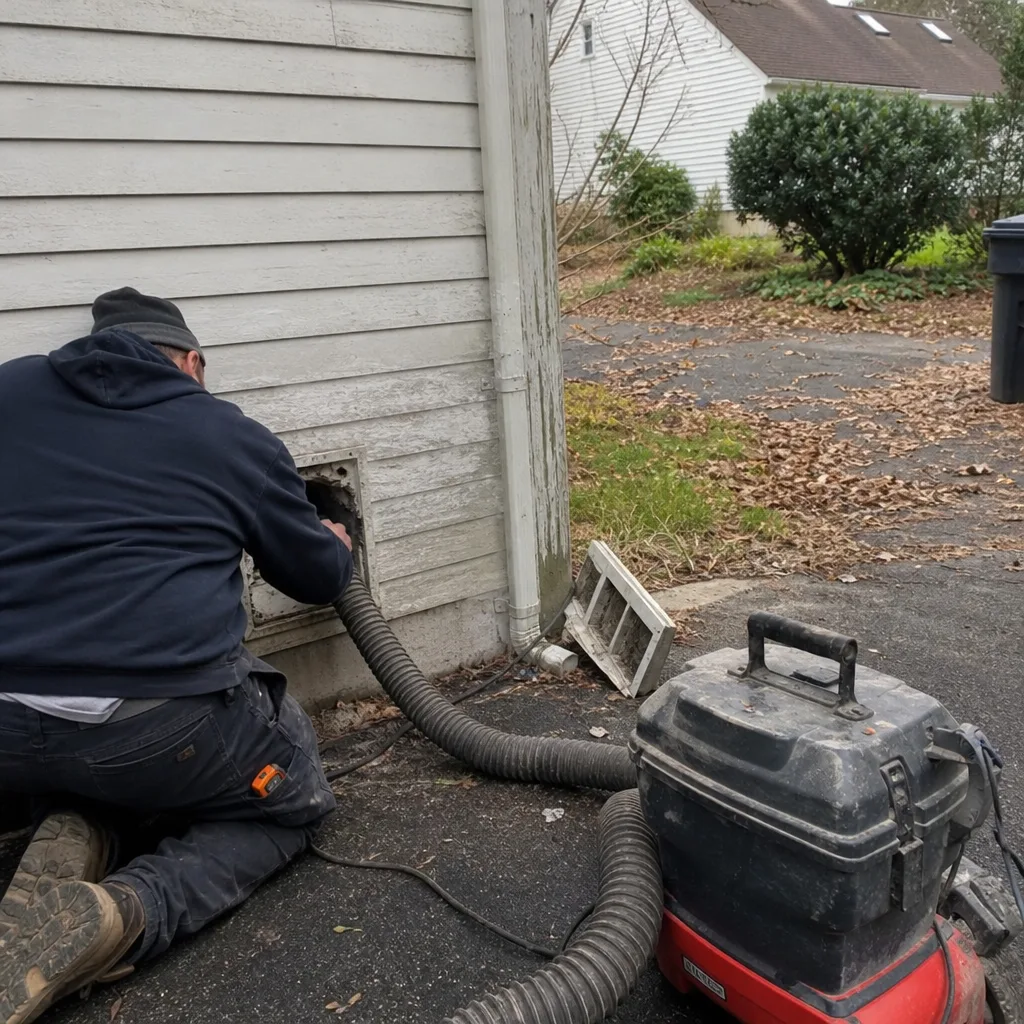 Before
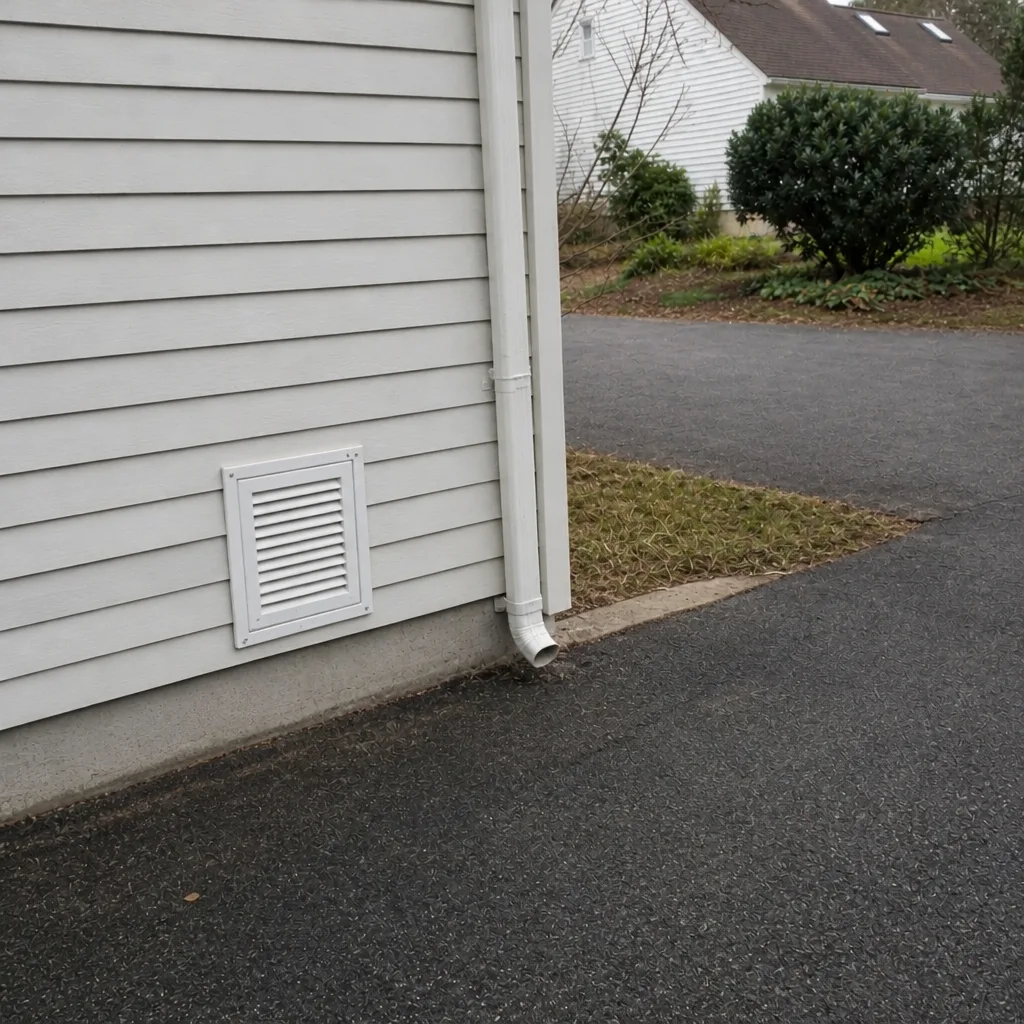 After
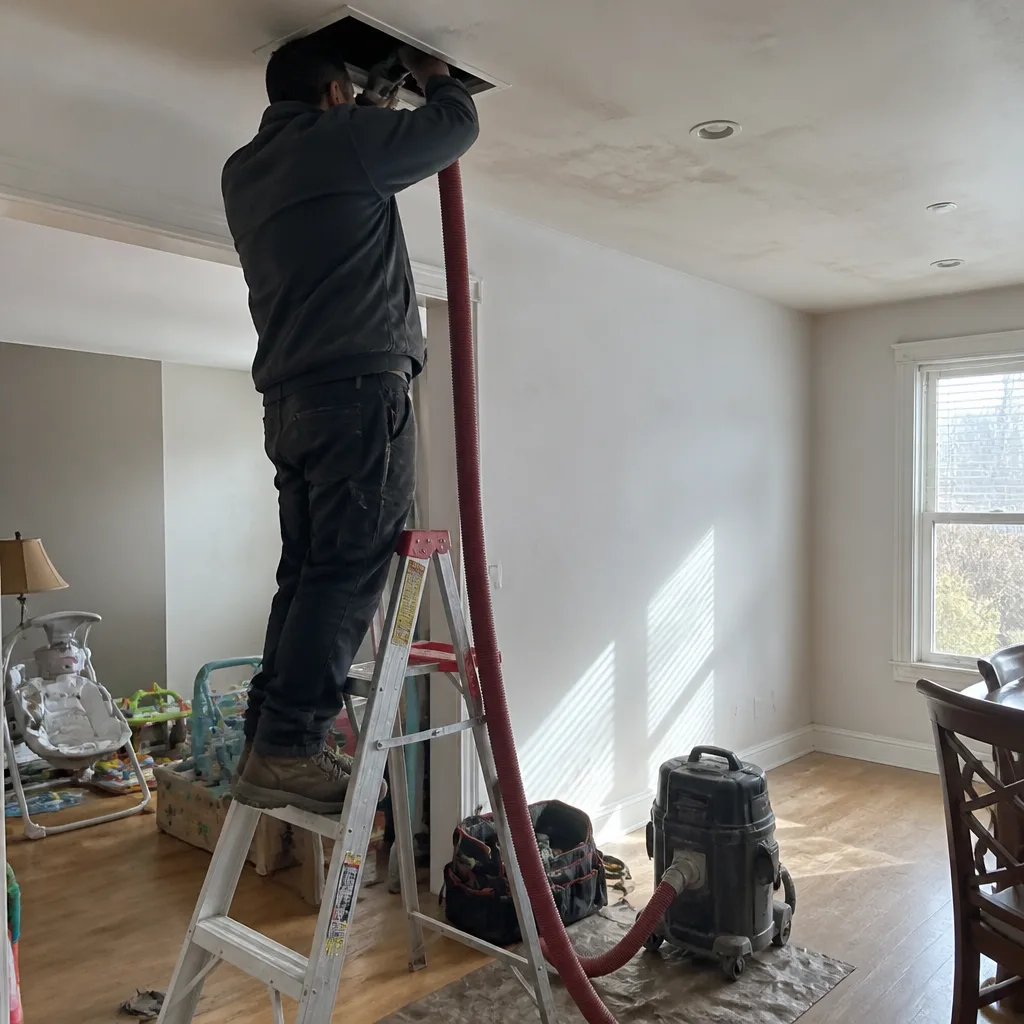 Before
 After
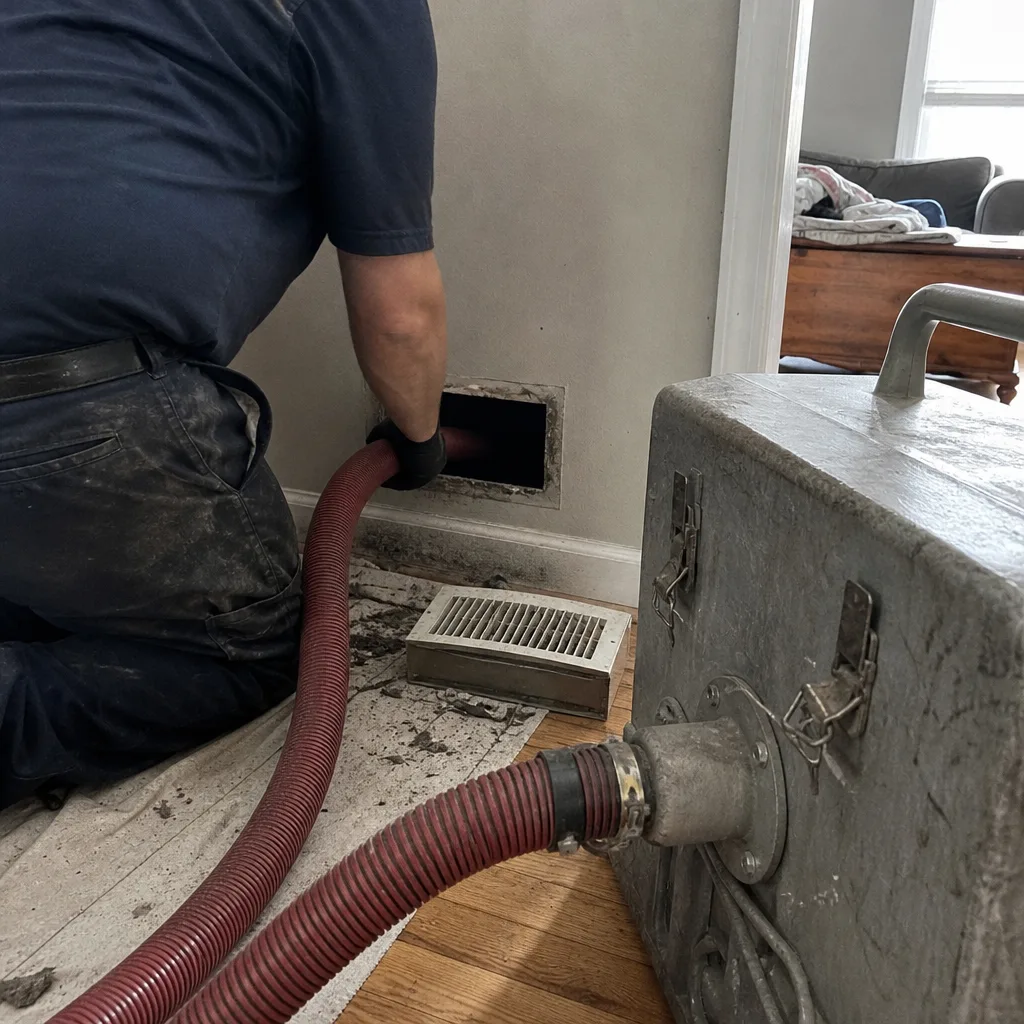 Before
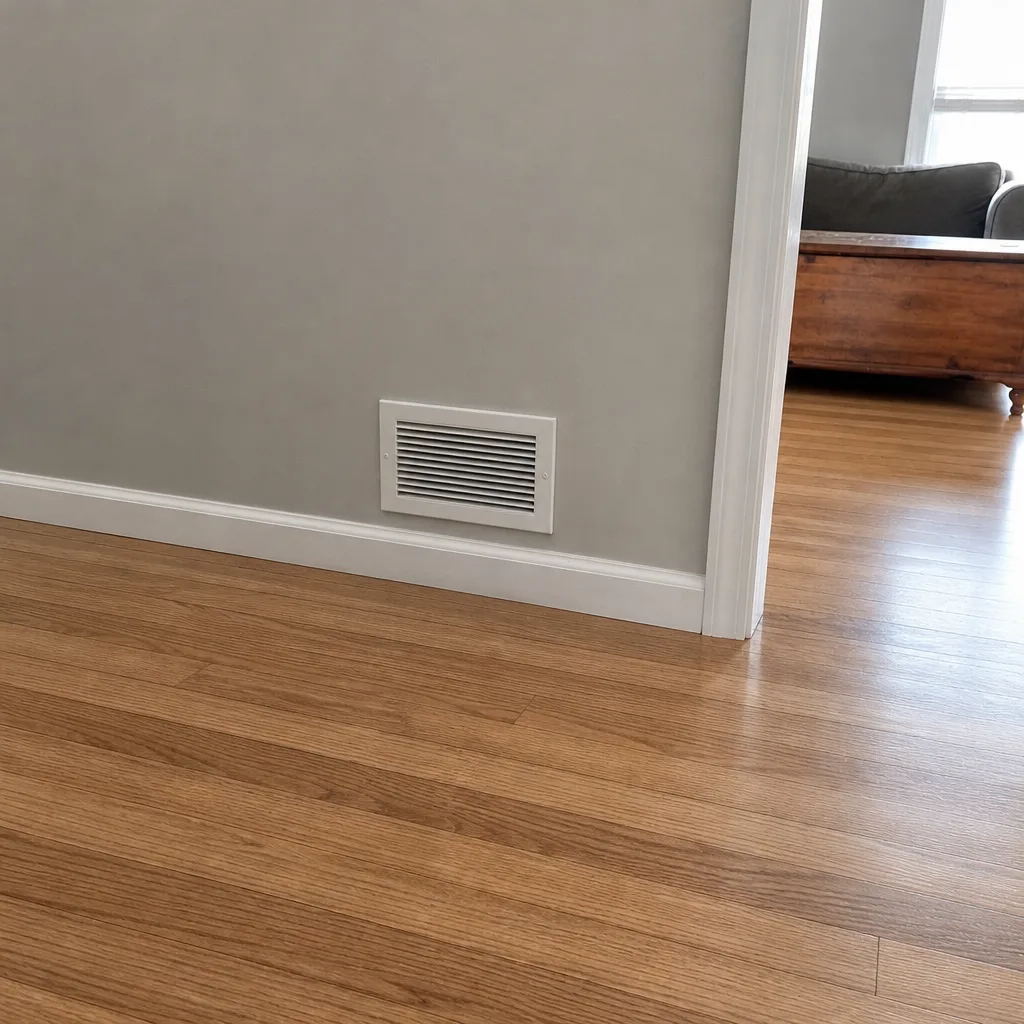 After
When to Call a Professional
There are specific scenarios where scheduling a professional cleaning is the right call. A recent move into a resale home, especially one where the previous owner’s maintenance history is unclear, is one. Another is an allergy flare-up that worsens indoors, or a family member with asthma whose symptoms track with time spent indoors. Visible dust blowing from supply registers when the system kicks on is a clear sign. A dryer that no longer gets a load dry in one cycle points at the vent. So does a system that hasn’t been cleaned in years, or an HVAC overhaul that left debris in the ductwork. And any ductwork with visible damage, disconnected sections, or crushed runs is worth a look even if cleaning isn’t due yet.
Duct Cleaning Albany offers free estimates in Albany, and we can walk through your setup, talk equipment, and set a price per system in writing. Call (888) 861-7237. We answer 24/7. Fast dispatch from 7am to 7pm, Sunday through Friday.
Frequently Asked Questions
Ask about Rotobrush, Nikro, Abatement Technologies, and Guardsman. Rotobrush is a contact cleaning system, Nikro is used for negative air and extraction, and Abatement Technologies is remediation-grade equipment with HEPA-level containment. A contractor who can name and explain their equipment is a better bet than one who can’t. We use all four across our jobs in Albany. Call (888) 861-7237 for an exact quote on your system.
Pricing is per system, not per vent, and it’s set in a written estimate before work begins. Because system size, access, and contamination level vary, we don’t quote a single flat number over the phone. The written estimate is the final price, and it doesn’t change once the job is in progress. Call (888) 861-7237 to schedule a free estimate, and we’ll walk your setup and give you the number in writing.
Cheap quotes usually reflect the equipment the contractor is bringing. A shop vac and a brush cost a fraction of a Rotobrush system with a Nikro negative air machine, and that gap shows up on the invoice. The low quote isn’t necessarily a scam, but it’s a different job. Ask what equipment comes to your house, then compare. Call (888) 861-7237 for a written estimate that names the equipment.
Ask for before-and-after photos of your own ducts. Photos of your system, not stock images, are the most direct evidence. Combined with a walkthrough at the end, they give you a clear record of what changed. Our crew shoots before-and-after photos of every job. Call (888) 861-7237 to set up an estimate and ask about the photo record.
There’s no fixed schedule that fits every home. A recent purchase, allergy concerns, visible dust from the registers, or a system that’s never been cleaned are better triggers than a calendar. In our experience, older homes in the Albany area can benefit from a look sooner than newer builds because the ductwork has had more years to accumulate debris. Call (888) 861-7237 for an honest read on your system.
Yes. Air duct repair is one of our three services, alongside cleaning and dryer vent work, so damage found during a cleaning gets scoped and estimated in-house. No second contractor, no scheduling a separate visit. The written estimate sets the price for the repair the same way it does for the cleaning. Call (888) 861-7237 and we’ll take a look at what’s going on with your system.
The Bottom Line
The equipment a duct cleaner brings decides the outcome of the job. Rotobrush contact cleaning reaches the walls of the duct where air-sweep methods don’t. Nikro negative air machines hold the extraction pressure that makes agitation useful rather than pointless. Abatement Technologies equipment gives a contractor the capacity to handle contamination that goes beyond the ordinary. Knowing those names gives you something no sales script can take away: the ability to ask a straight question and get a straight answer. In Albany, our technicians have up to 9 years of experience, we run professional-grade gear on every job, and our pricing is set per system in writing before work starts. Call us to talk through your system.
Written by the team at Duct Cleaning Albany.