
Last updated November 16, 2026
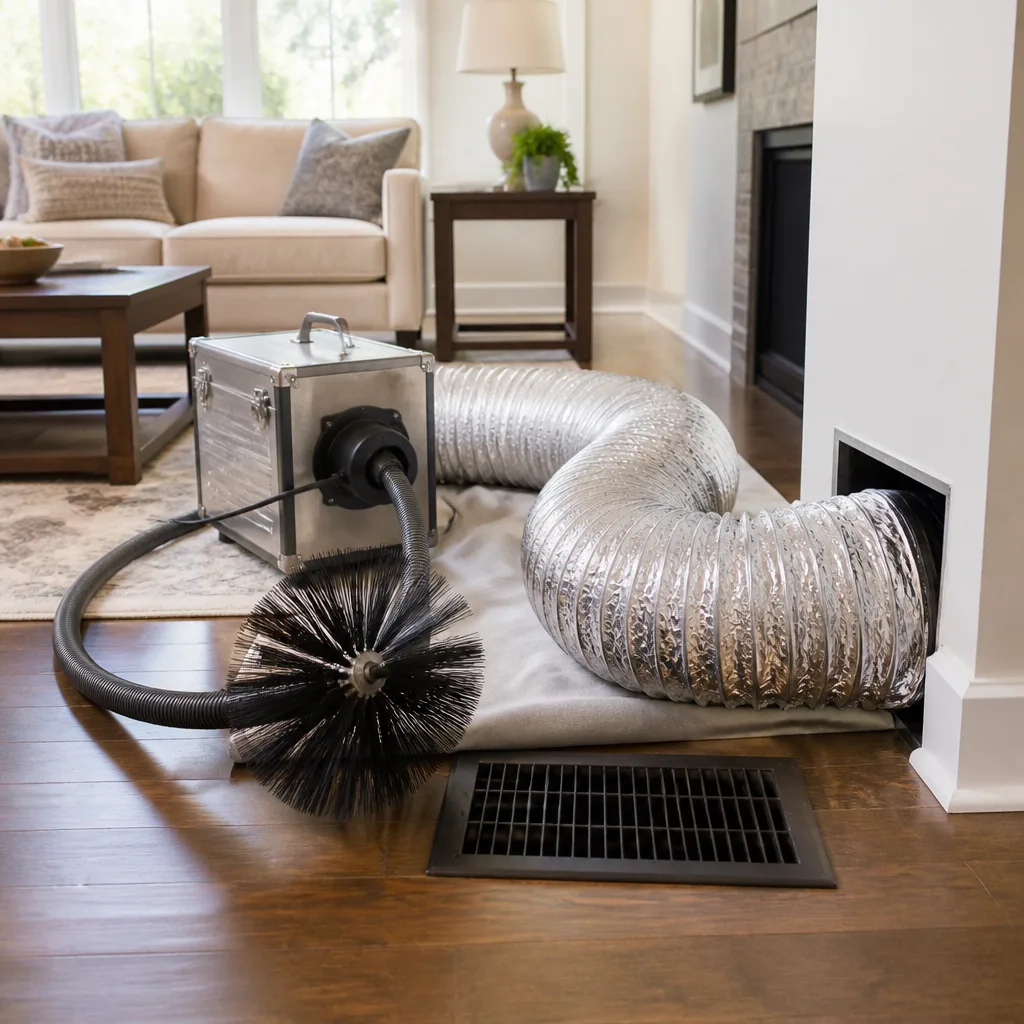 Whole-home duct cleaning
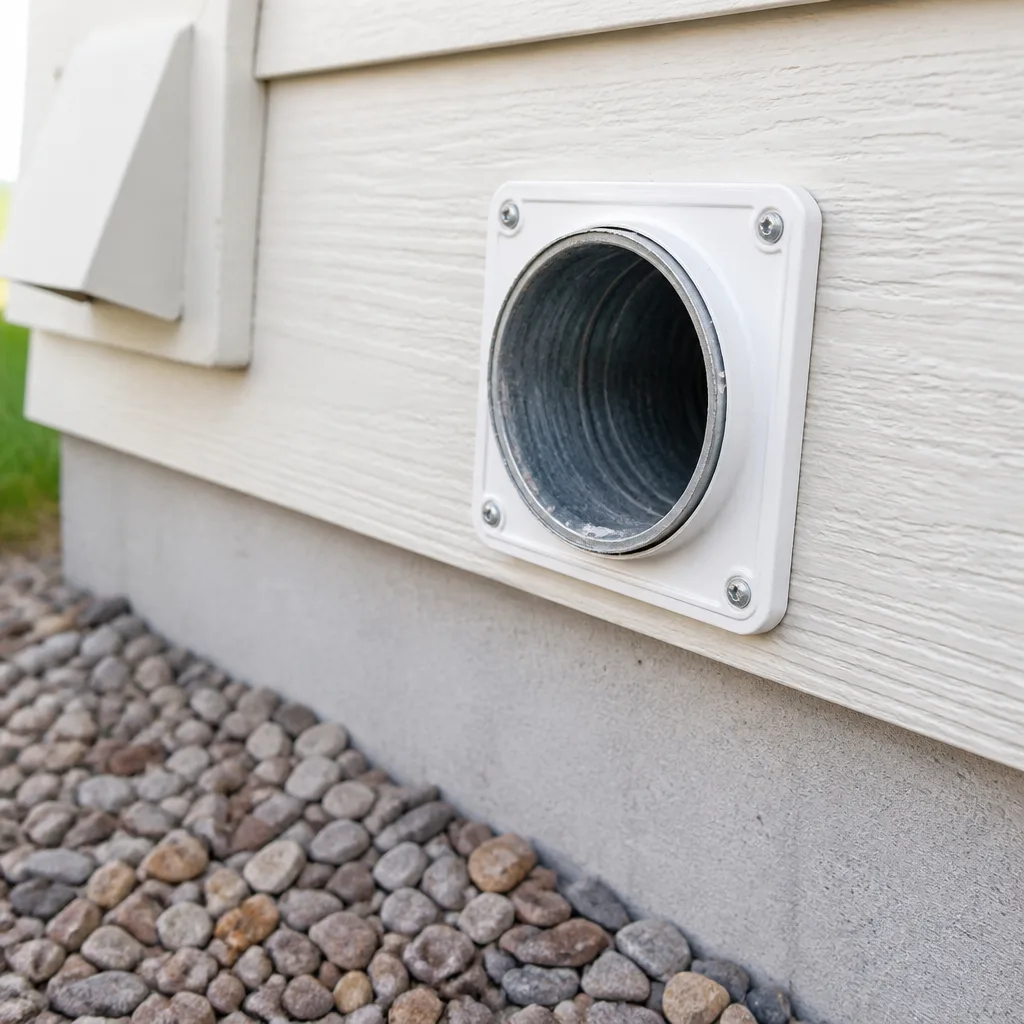 Dryer vent cleaning
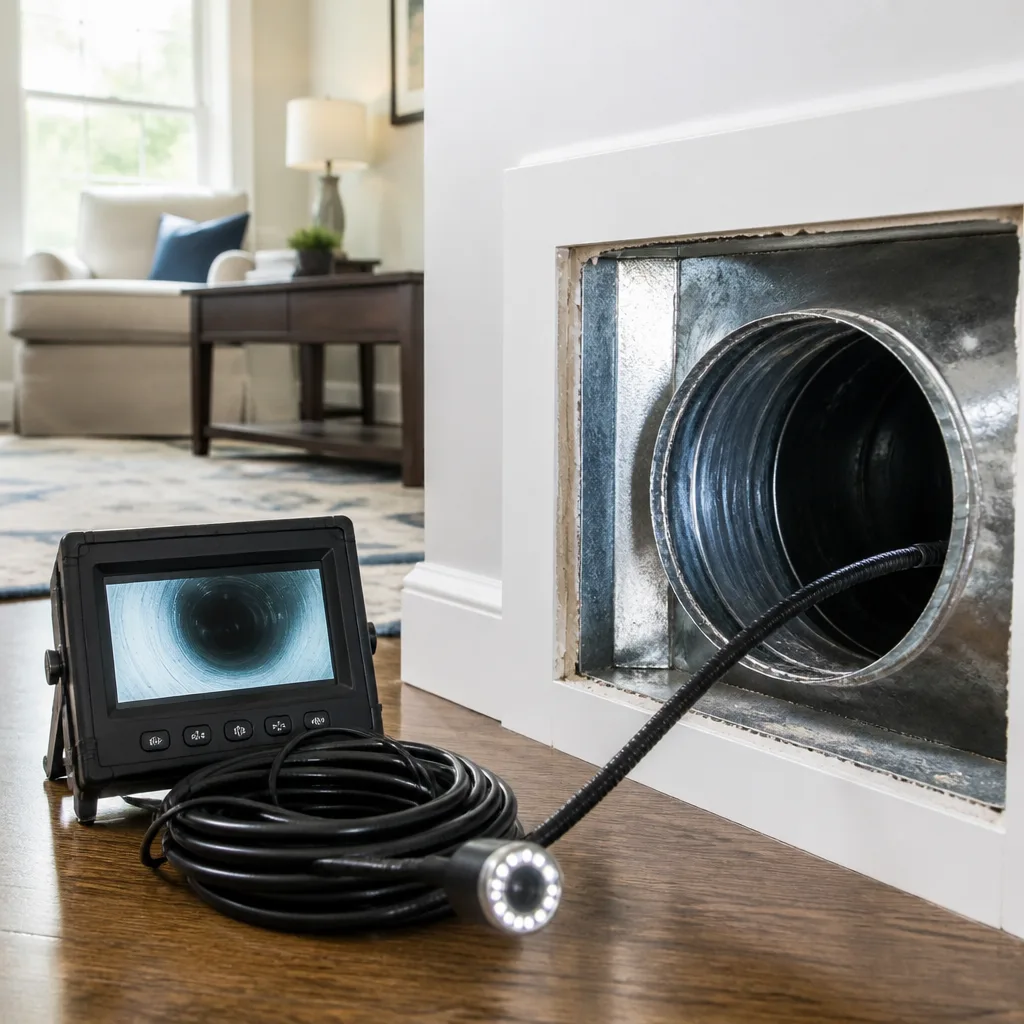 Camera inspection
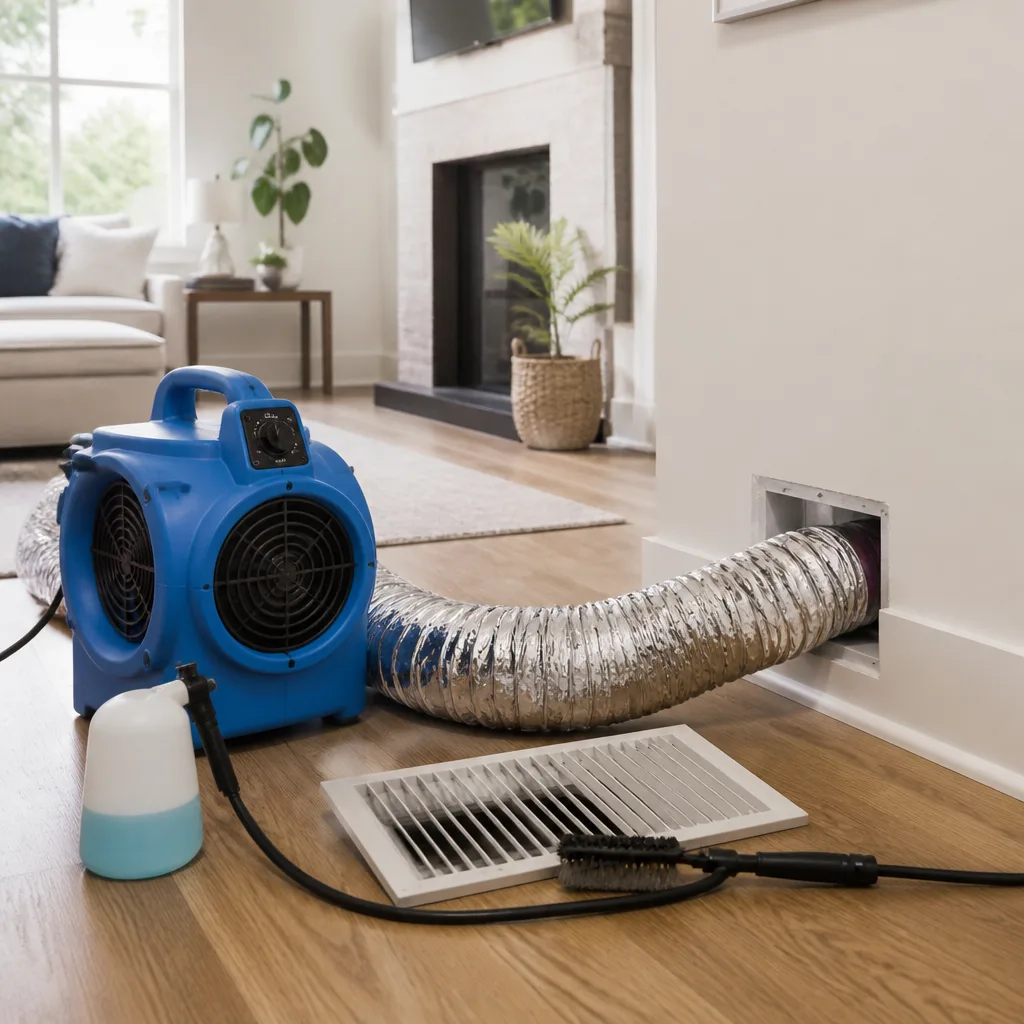 Sanitizing & deodorizing
Whole-system duct and dryer vent check with before-and-after photos - you see exactly what came out of your vents
That "$99 whole-house special" is a bait ad - the real number appears once they are in your hallway, or the "clean" is a shop-vac at the register. We photograph the inside of your ducts before and after instead.
Air Duct Cleaning Troubleshooting in Albany: Common Problems and How to Fix Them
If a duct cleaning didn’t fix your airflow problem, the cleaning probably wasn’t the wrong call. The sequence was. Cleaning a duct system that has a collapsed liner or a disconnected joint just moves debris around inside a broken structure, and no amount of vacuum pressure changes that. Most of the “duct problems” Albany homeowners try to diagnose on their own turn out to be symptoms of one of four mechanical failures: disconnected joints, collapsed flex duct, blocked returns, or contamination without structural damage. This guide maps each symptom to its root cause so you stop chasing a solution that doesn’t match your actual problem, and so the next contractor you call has to prove they know the difference.
Quick Answer
Air duct cleaning alone won’t fix airflow problems caused by structural failures like disconnected joints, crushed flex duct, or blocked returns. You need to identify whether you have a contamination problem (cleaning fixes it) or a structural problem (repair has to come first) before booking any work. A camera inspection before and after cleaning is the only reliable way to tell the two apart.
Styles & brands we work with
- Whole-home duct cleaning
- Dryer vent cleaning
- Camera inspection
- Sanitizing & deodorizing
Table of Contents
- Why Duct Cleaning Sometimes Doesn’t Fix Airflow
- How to Tell a Contamination Problem from a Structural Problem
- Disconnected Duct Joints: Symptoms and What They Mean
- Collapsed Flex Duct: When the Duct Itself Is the Problem
- Blocked Returns: The Most Overlooked Cause of Poor Airflow
- Musty Odors After Cleaning: What It Usually Means
- What a Post-Cleaning Camera Inspection Actually Shows
- When Re-Cleaning Is Legitimate and When It’s a Cover-Up
Why Duct Cleaning Sometimes Doesn’t Fix Airflow
Duct cleaning removes accumulated debris from the interior surfaces of the ductwork. That’s it. It doesn’t reconnect a joint that has separated under the floor, it doesn’t undo a run of flex duct that got crushed during a renovation, and it doesn’t open a return that’s been blocked by furniture or a closed damper. If your airflow problem is structural, a cleaning can actually make the symptom worse, because the technician’s vacuum now has less material to push through and the leak becomes more noticeable.
In our experience across Albany, the buildings make this more complicated than it is in newer construction. A lot of the housing stock here predates modern duct design, and HVAC systems have been retrofitted, extended, and rerouted multiple times. That means joints fail over time, flex runs get spliced into places they weren’t designed to go, and returns get boxed in during basement finishing. Albany’s cold winters don’t help either, because heating systems run long and hard, and any weak joint in a supply run gets stressed every season.
The key point is this: cleaning and repair solve different problems. Cleaning fixes contamination. Repair fixes structure. Most homeowners call for cleaning when they actually need diagnosis first, and that’s the sequence mistake this guide exists to correct.
What Cleaning Actually Solves
- Debris buildup inside duct runs (dust, drywall dust, pet hair, construction residue)
- Microbial growth inside ducts when the source of moisture has already been fixed
- Reduced system efficiency caused by restricted airflow from internal contamination
- Odors that originate from debris sitting inside the ducts
What Cleaning Does Not Solve
- Disconnected or separated duct joints
- Collapsed or crushed flex duct runs
- Blocked returns or closed dampers
- Moisture intrusion from leaks, condensation, or roof issues
- An undersized or badly designed duct system
How to Tell a Contamination Problem from a Structural Problem
You can narrow the diagnosis yourself with three simple checks before you call anyone. You won’t get a final answer, but you’ll have enough information to ask a smarter question, and you’ll be able to tell whether the contractor you call is diagnosing or just quoting.
Check 1: Compare Airflow Room by Room
Hold a tissue or a piece of light paper in front of each supply register with the system running. Compare how strongly it pulls. If some rooms have strong flow and others have weak flow, that’s usually structural: a disconnected run, a crushed flex section, or a blocked duct serving those rooms. If airflow is weak pretty much everywhere, that points toward a central issue, either contamination buildup or a blower or filter problem upstream.
Check 2: Look for Air Coming From Unexpected Places
A disconnected joint in a supply duct leaks air into the wall cavity, the attic, or the basement. If you can feel air escaping around a register boot, a ceiling penetration, or inside a closet where a duct runs, that’s a strong sign of a separated joint rather than inside-duct contamination. Cold Albany winters make this easier to catch, because leaking warm air in a cold space is noticeable.
Check 3: Listen for Whistling or Whooshing
Whistling at a register usually indicates a restriction right behind the register or in the duct run feeding it. Whooshing sounds in a wall cavity or ceiling point toward a broken joint or a crushed run. A duct system that was quiet before and now isn’t has changed somehow, and cleaning doesn’t cause that change.
If all three checks come back clean and the issue is more about smell, visible dust, or allergy symptoms than airflow, contamination is the more likely diagnosis. Air duct cleaning is the right first step in that scenario. When the checks point toward structure, ask any contractor you call to confirm with a camera before they start work.
Disconnected Duct Joints: Symptoms and What They Mean
Disconnected joints are the most common structural failure we diagnose on air duct cleaning calls, and they’re the easiest to misdiagnose as a cleaning problem because they don’t cause visible dust inside the ducts. They cause lost airflow and lost efficiency.
Symptoms of a Disconnected Joint
- One or more rooms with noticeably weaker airflow than the rest
- Air escaping into a wall cavity, basement, attic, or closet
- Higher heating bills with no obvious explanation
- Whooshing or rushing sounds inside a wall or ceiling
- Dust or debris accumulating around a register boot
The reason this pattern matters is that cleaning a system with a disconnected joint can make the symptom worse, not better. Once the debris is removed, there’s less material for the airstream to catch on, so more air escapes through the separation rather than reaching the register. The homeowner’s experience is that “the cleaning didn’t work,” when what really happened is that the cleaning was done on a system that needed repair first.
What Repair Looks Like
- Camera inspection to locate the separation
- Opening the wall, ceiling, or floor as needed to expose the joint
- Reconnecting the joint with proper mechanical fastening and sealing
- Pressure testing the run to confirm airflow
- Cleaning the system after the joint is properly sealed
That last step is the one most duct cleaners don’t offer. Repairing ductwork requires an actual repair capability, not just cleaning equipment, which is why we offer duct cleaning Albany services alongside in-house duct repair. If a contractor tells you the joint is disconnected but their solution is “we’ll clean it and see,” find someone who can actually fix the joint.
Collapsed Flex Duct: When the Duct Itself Is the Problem
Flex duct is common in Albany-area homes, especially where systems were extended or rerouted during additions and renovations. It’s also the duct type most likely to fail silently. A run of flex duct can crush, kink, or collapse without any visible sign from the register side, because the crushed section is usually buried in a ceiling, floor cavity, or basement corner.
Symptoms of Collapsed Flex Duct
- One room with near-zero airflow when the rest of the house is fine
- Airflow that changed after a renovation or remodeling project
- Reduced system capacity after a contractor added a new run
- No airflow at the register even though the system is running
What makes collapsed flex duct tricky is that it doesn’t produce debris. The duct itself is still clean inside. So cleaning the system won’t fix anything, and a cleaning-only contractor will report that the ducts look fine inside even while the homeowner is still dealing with the original problem. Camera inspection is the only reliable way to catch a crushed run in a cavity you can’t see.
Why Cleaning Can’t Fix It
A collapsed run has been pinched closed. The only fix is to remove the crushed section and replace it with new ducting that’s properly supported and routed. That’s a repair, and it’s the reason we emphasize that we don’t just clean, we repair. When we’re inspecting ductwork, we’re looking for exactly this kind of hidden structural failure, using equipment from Rotobrush and Nikro that lets us see inside a run before we commit to a cleaning plan. Professional-grade equipment isn’t about speed. It’s about whether the technician can actually diagnose what they’re looking at.
Blocked Returns: The Most Overlooked Cause of Poor Airflow
Every duct system has two halves. Supply ducts push conditioned air into rooms. Return ducts pull air back to the air handler. Homeowners and a lot of contractors focus almost entirely on the supply side, and that’s a mistake, because a blocked return reduces system airflow just as badly as a blocked supply, and it’s often the easier problem to find.
Common Causes of Blocked Returns
- Furniture pushed over a floor return
- Rugs or carpeting covering a return grille
- A closed damper at the return trunk
- Boxed-in returns during basement finishing (a serious one in older Albany homes)
- Return grilles clogged with dust and pet hair
- Furniture or storage blocking a wall-cavity return
In Albany’s older housing stock, boxing in a return during a basement renovation is one of the most common airflow problems we see, and it’s almost always invisible to the homeowner. The return grille is still in place, but the duct feeding it was covered over by drywall or shelving. The system runs, but the return can’t pull enough air back. The result is weak airflow everywhere, which looks like a contamination problem but isn’t.
What to Check First
- Walk every room and confirm nothing is covering a return grille
- Check the return filter at the air handler for heavy loading
- Look for any dampers at the return trunk and confirm they’re fully open
- If you’ve finished a basement, confirm the return wasn’t boxed in
- Call for a camera inspection if the problem persists after those checks
Return-side problems are the cheapest to fix when they’re simple (move the furniture, open the damper) and the most expensive when they’re not (rebuild the return path). Getting a clear diagnosis before cleaning saves you from paying twice.
Musty Odors After Cleaning: What It Usually Means
A persistent musty smell after a cleaning almost never means the cleaning was inadequate. It usually means there’s a moisture source upstream of the ducts, and cleaning removed what was there without fixing the reason it came back. Mold and mildew need water. Remove the water source and the growth stops coming back. Leave the water source in place and any cleaning is temporary.
Where Moisture Comes From Upstream of Ducts
- A leaking roof or flashing issue in the attic
- Condensation on cold duct runs in an unconditioned space
- A wet crawl space or basement feeding humidity into the system
- A leaky humidifier tied into the ductwork
- An HVAC closet that gets wet during storms
Albany’s climate matters here. Long humid summers combined with cold winters create a seasonal swing where condensation forms on duct surfaces in unconditioned spaces, then dries out and re-forms. If the duct insulation is compromised, that condensation cycle can keep a small moisture problem active year after year, which is why some homeowners clean, get relief for a while, then smell the same musty odor again the next season.
What to Do
Before scheduling a second cleaning, ask for an inspection that specifically looks for moisture intrusion. If a contractor finds microbial growth during cleaning and doesn’t trace back to why it’s there, that’s a red flag. We work with Abatement Technologies equipment because containment and HEPA-level handling matter on jobs where moisture and growth are part of the story. If your system runs whole-home air-quality controls from Honeywell or Aprilaire, those components are worth checking too, because a failing humidifier or a saturated filter can be part of the moisture problem.
What a Post-Cleaning Camera Inspection Actually Shows
A camera inspection is a baseline, not an upsell. It’s the only way a homeowner can verify that a cleaning actually happened, that the ducts are clean, and that no structural damage was missed. If a contractor won’t run a camera, the customer has no way to check the work, and the industry’s bait-and-switch reputation exists for exactly that reason.
What the Camera Shows Before Cleaning
- Debris load inside each duct run
- Visible moisture or microbial growth
- Rodent activity or pest entry points
- Compromised joint sealing at each connection
- Crushed or collapsed flex sections
What the Camera Shows After Cleaning
- Interior surfaces clear of loose debris
- Any structural damage the cleaning confirmed, ready for a repair recommendation
- A record of the run’s condition on the day it was cleaned
- A baseline to compare against future inspections
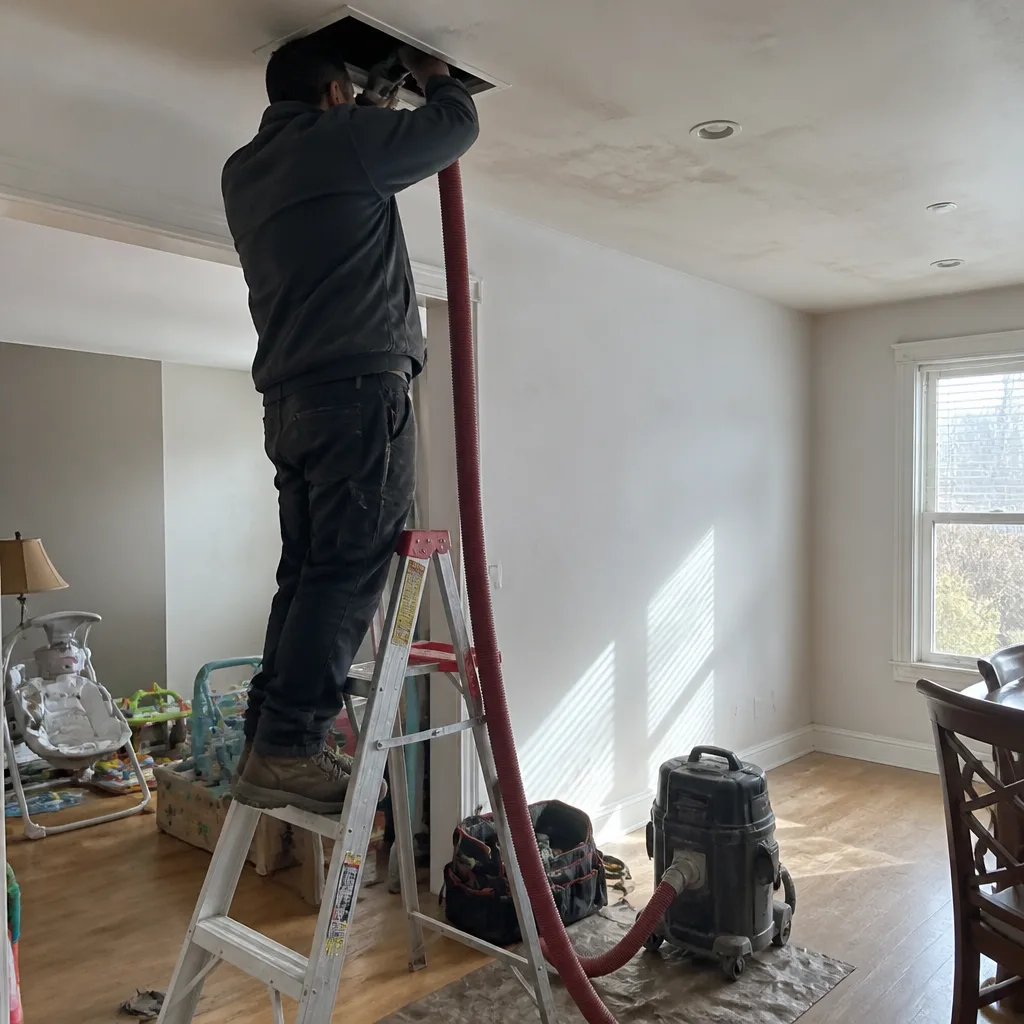
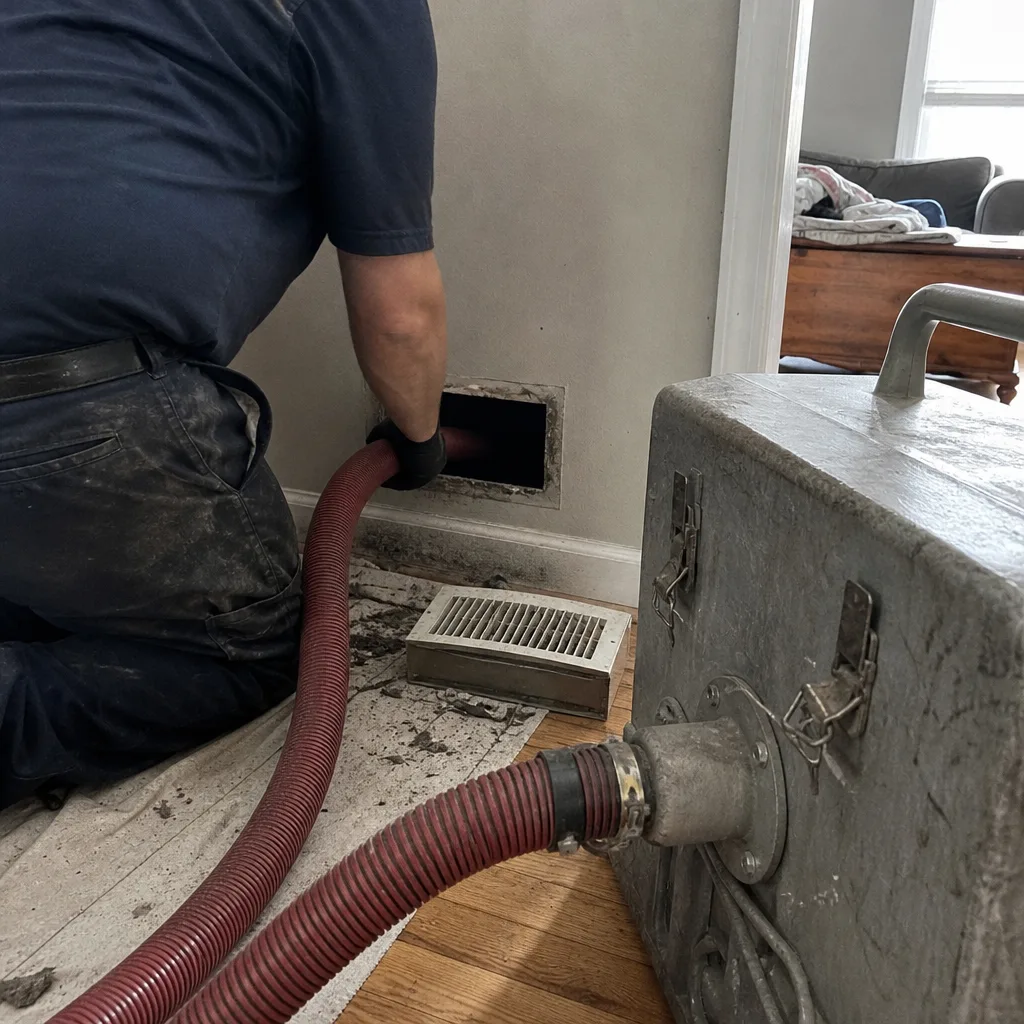
This is why we use before-and-after photos on every job. A homeowner shouldn’t have to take a contractor’s word that the work happened. Photos of their own ducts, before and after, let them see what was done and confirm the diagnosis against what was visible.
The camera also prevents the most common sequence mistake we see on Albany jobs: cleaning a system that needed repair first. If the camera shows a disconnected joint before cleaning starts, the plan changes, and the homeowner gets a proper diagnosis instead of an invoice for work that won’t solve their problem.
When Re-Cleaning Is Legitimate and When It’s a Cover-Up
Re-cleaning is sometimes legitimate. It’s also the easiest way for a contractor to hide a repair they should have flagged on the first visit. The difference is usually visible in whether the contractor diagnoses before recommending.
When Re-Cleaning Is Legitimate
- The original cleaning was done without camera inspection and the ducts had heavy contamination
- Significant construction or renovation happened between cleanings (drywall dust gets everywhere)
- A moisture problem was fixed and the new growth needs removal
- Enough time has passed that genuine new buildup is present (typically several years in a household with pets or smokers)
When Re-Cleaning Is a Cover-Up
- The contractor recommends re-cleaning without a camera inspection to justify it
- The original problem was airflow, and airflow is still the problem
- No repair recommendation was made despite clear structural symptoms
- The contractor can’t explain specifically what’s dirty and why cleaning will fix it
- The re-clean quote arrives at the same visit where the original problem was never solved
The pattern to watch for is this: the first cleaning was pitched as a fix for a symptom, the symptom persists, and the answer is “let’s clean it again.” That’s a diagnostic failure. In our experience, an honest contractor will tell you cleaning isn’t the answer if the camera shows a structural cause, and a dishonest one will sell you a second cleaning because it’s easier than diagnosing the repair.
Common Mistakes to Avoid
- Booking cleaning before diagnosis. If your problem is airflow, a camera inspection should come before the cleaning quote. Cleaning first and asking questions later is how homeowners end up paying twice.
- Assuming a low quote means a light cleaning. A very low quote usually means entry-level equipment and no camera, which means the contractor won’t find structural problems. That’s not a bargain, it’s an incomplete inspection.
- Ignoring weak airflow in a single room. One-room airflow problems in Albany homes are almost always structural, not contamination. Calling it a cleaning problem adds months of unresolved discomfort.
- Missing the return side entirely. A blocked return cuts system airflow worse than a dirty supply run. Walk every return grille before you assume the ducts are the problem.
- Treating a musty smell as “just needs cleaning.” Moisture intrusion upstream of the ducts will keep re-seeding growth. Fix the water source first, then clean.
- Skipping before-and-after photos. If a contractor can’t show you photos of your own ducts, you can’t verify the work happened or that the inspection was thorough.
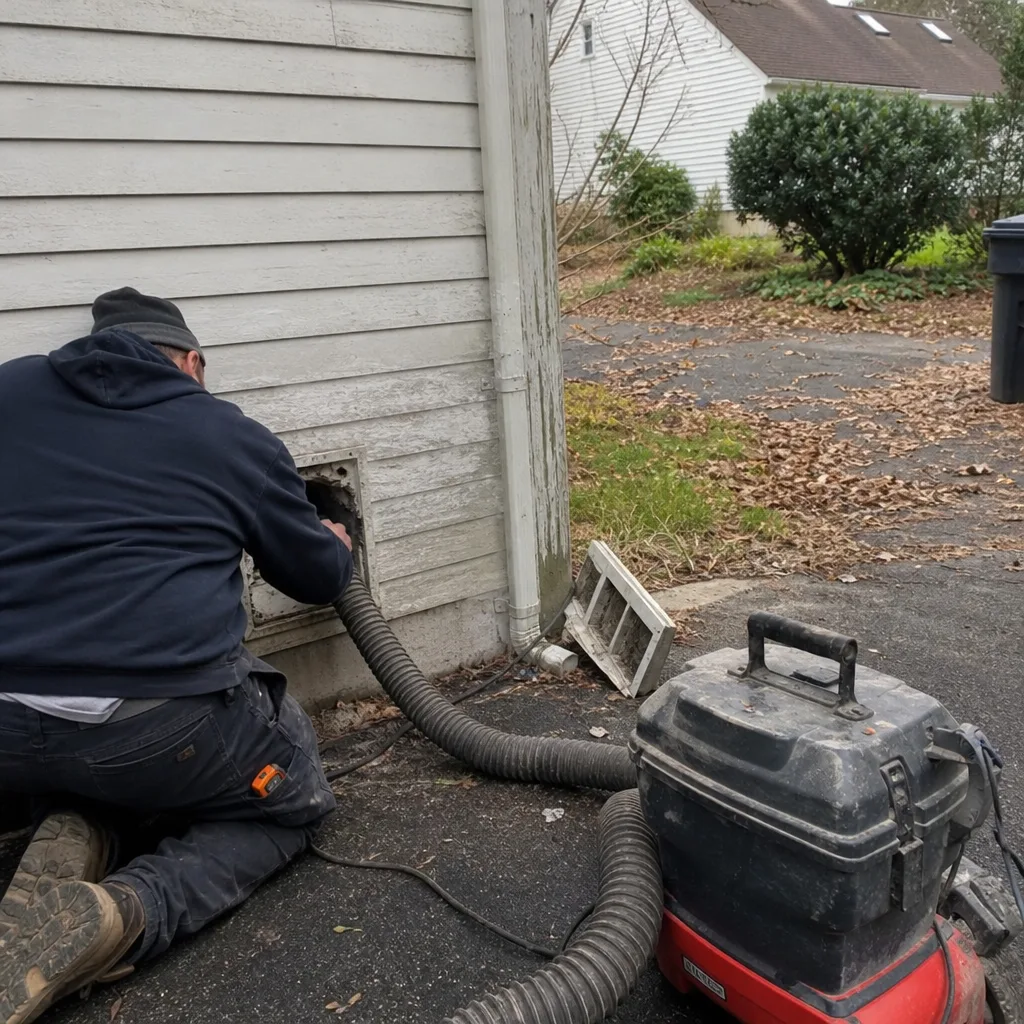
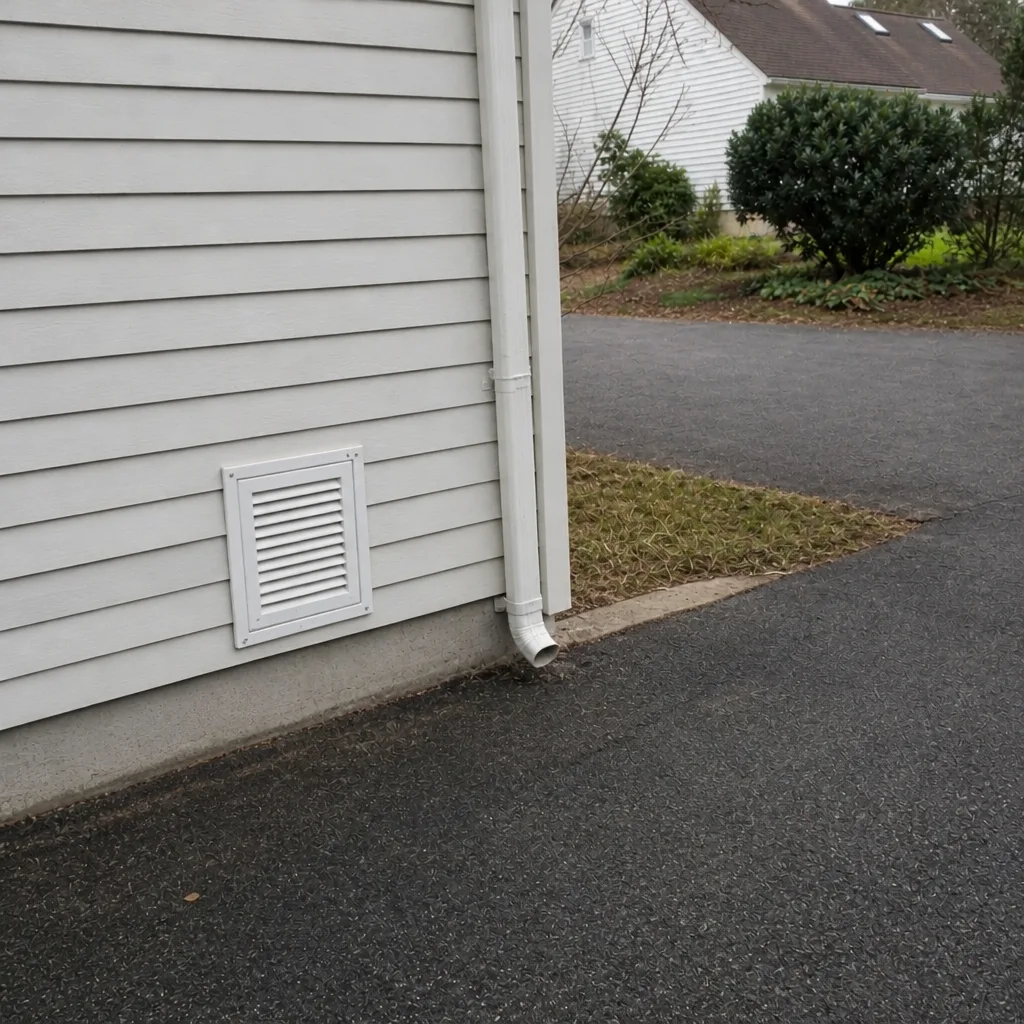
- Skipping the dryer vent in the same job. A dryer vent that takes too long to dry a load is a separate safety issue and a common symptom of a restricted run. Combining dryer vent cleaning with duct work solves both in one visit.
See the difference
 Before
 After
 Before
 After
 Before
 After
When to Call a Professional
Call a professional when your own checks point to a structural problem you can’t safely diagnose: weak airflow in one or more rooms that persists after confirming returns are clear, air escaping from a wall cavity, a musty smell that came back after cleaning, or a sudden change in system noise. Also call when the ducts haven’t been inspected in years and you’re moving into a home you didn’t build. High-tension components, gas lines, and electrical connections around the air handler are not homeowner territory. Those need a trained professional.
Cycling air through a system that has a disconnected joint or crushed flex run wastes energy and delays the actual fix. If you’re not sure which problem you have, a camera inspection settles it. Duct Cleaning Albany offers free estimates in Albany. Call (888) 861-7237. We answer 24/7. Fast dispatch from 7am to 7pm, Sunday through Friday.
Frequently Asked Questions
Because the airflow problem wasn’t caused by contamination. In most cases, weak airflow that survives a cleaning points to a structural issue like a disconnected joint, collapsed flex duct, or blocked return, and cleaning can’t fix structure. The next step is a camera inspection to confirm which one it is. Call (888) 861-7237 for a free estimate on a proper diagnosis.
If the symptom is dust, smell, or visible debris and airflow is roughly even room to room, cleaning is the right first step. If the symptom is weak airflow in one or more rooms, air escaping from a wall or closet, or a sudden change in system noise, repair is the more likely answer and a camera inspection should come before any cleaning. Call (888) 861-7237 for a free estimate.
Because there’s a moisture source upstream of the ducts that wasn’t fixed. Mold and mildew need water to grow, and cleaning removes the growth without removing the water. The fix is to trace the moisture source (roof leak, condensation on cold duct runs, wet basement, humidifier) and fix that before re-cleaning. Call (888) 861-7237 for a free estimate on a moisture-focused inspection.
It’s necessary. A camera is the only way a homeowner can verify the work happened, confirm the ducts are actually clean, and see whether structural damage was missed. A contractor who won’t run a camera is asking you to trust them without proof, which is the exact pattern the duct-cleaning industry has earned its reputation for. Ask for before-and-after photos and walk if you don’t get them. Call (888) 861-7237 for a free estimate.
Because the low quote often covers entry-level equipment, no camera inspection, and no repair capability. That’s not a bargain, it’s an incomplete job, and it’s how homeowners end up paying twice: once for a cleaning that didn’t solve the problem, and again for the repair that should have come first. Professional-grade systems from Rotobrush and Nikro, plus a repair capability on the same visit, cost more up front and less overall. Call (888) 861-7237 for a free estimate and an honest scope.
Most homes don’t need it on a fixed schedule. Every few years is reasonable, and some homes go longer. Homes with pets, recent renovations, smokers, or anyone with allergies may need it more often, and a musty smell after cleaning is a signal to fix the moisture source before worrying about the next cleaning. Ask for a camera inspection rather than a schedule. Call (888) 861-7237 for a free estimate.
The Bottom Line
If a cleaning didn’t fix your problem, don’t assume the cleaning was the wrong call. Assume the sequence was wrong and get a diagnosis. Cleaning fixes contamination. Repair fixes structure: disconnected joints, collapsed flex runs, and blocked returns. Moisture intrusion upstream of the ducts will keep re-seeding musty odors no matter how many times you clean. And a camera inspection, before and after, is the only way you’ll ever be able to verify what actually happened inside your own ductwork. Get the diagnosis first. Then decide. Duct Cleaning Albany offers free estimates in Albany. Call (888) 861-7237. We answer 24/7. Fast dispatch from 7am to 7pm, Sunday through Friday.
Written by the team at Duct Cleaning Albany.