
Last updated November 16, 2026
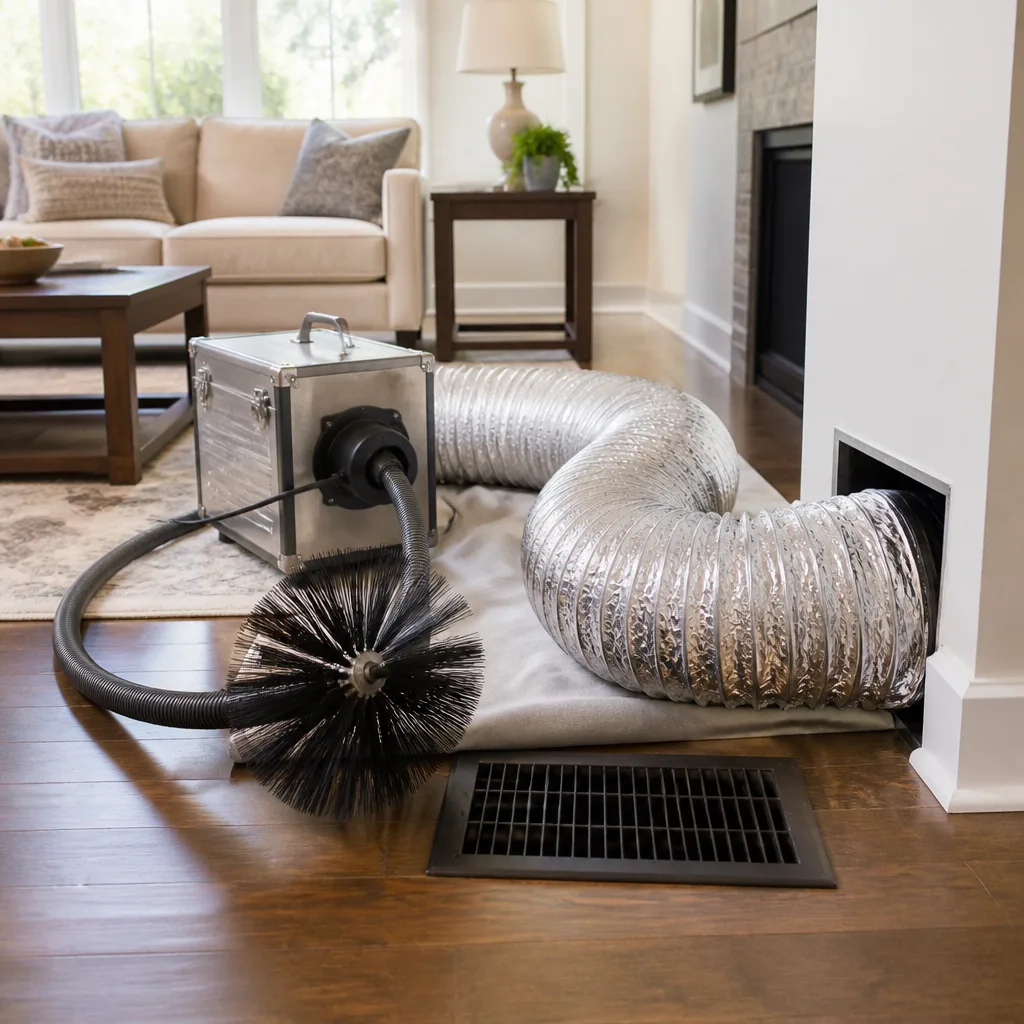 Whole-home duct cleaning
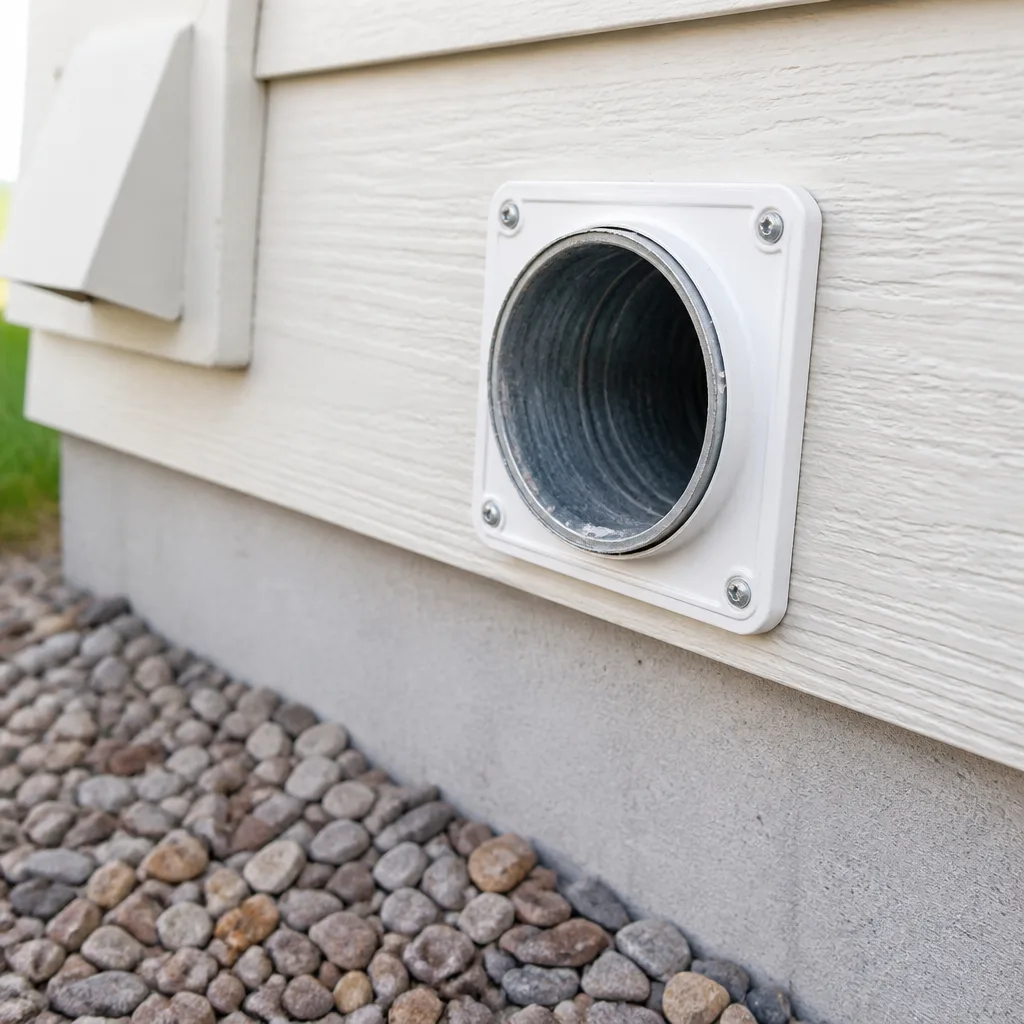 Dryer vent cleaning
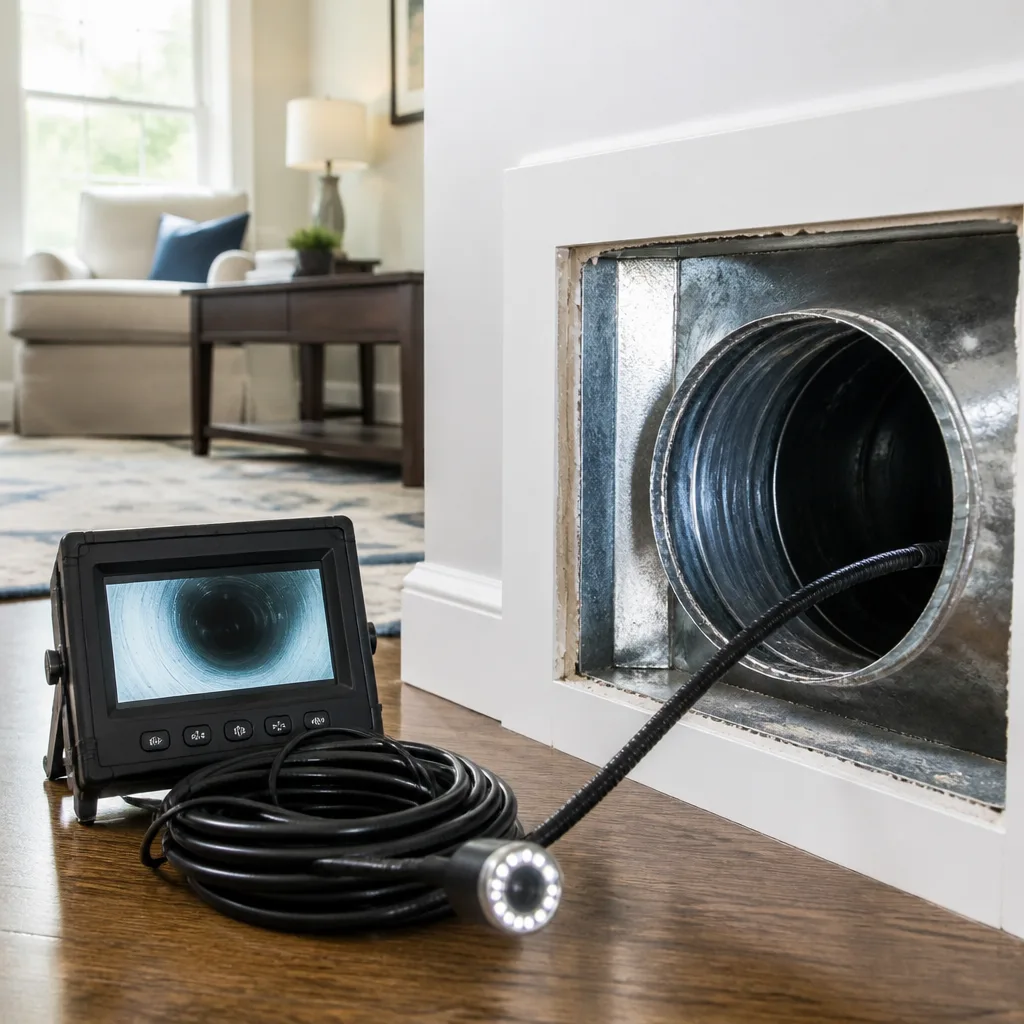 Camera inspection
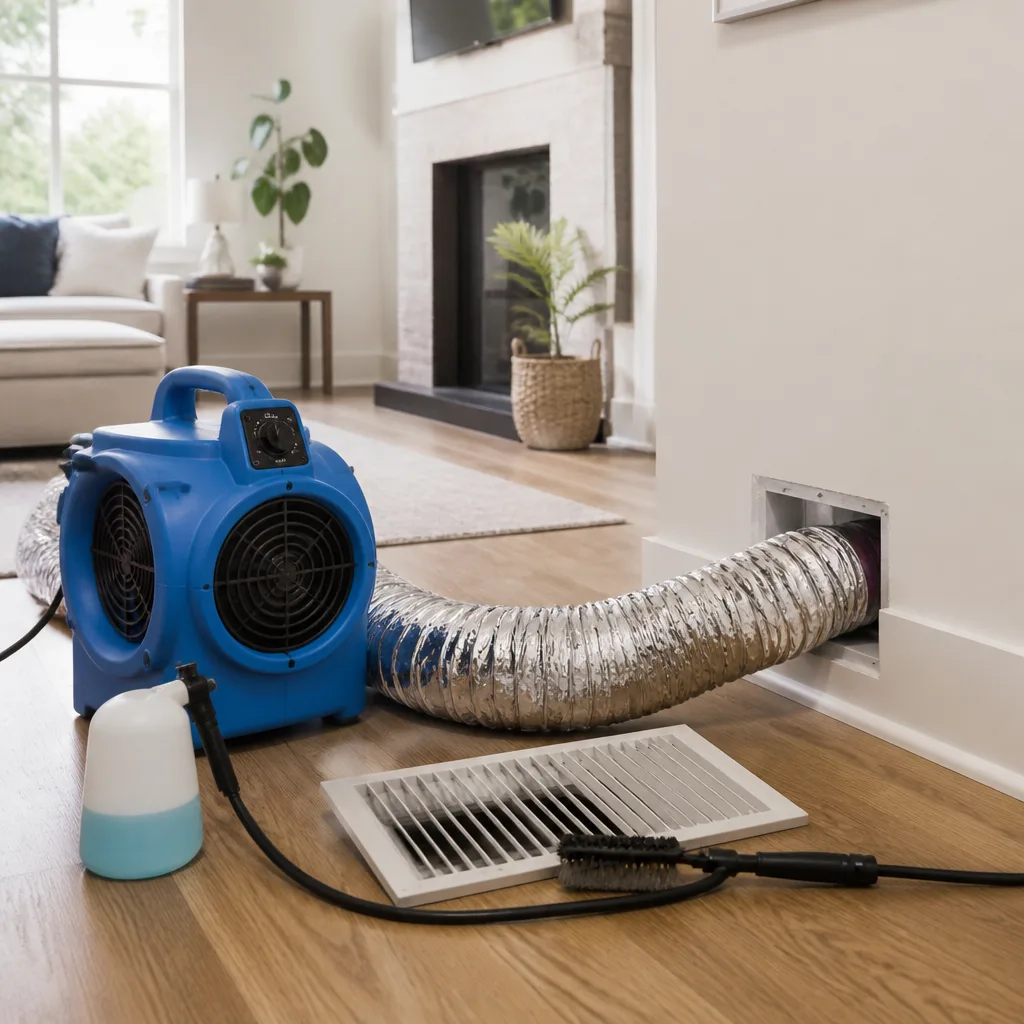 Sanitizing & deodorizing
Whole-system duct and dryer vent check with before-and-after photos - you see exactly what came out of your vents
That "$99 whole-house special" is a bait ad - the real number appears once they are in your hallway, or the "clean" is a shop-vac at the register. We photograph the inside of your ducts before and after instead.
Air Duct Cleaning Maintenance Schedule: What to Do and When
The familiar “clean your ducts every three to five years” rule comes from industry guidance written for average conditions. Albany homes often aren’t average. A large share of the housing stock went up before 1980, much of it with galvanized steel ductwork running through basements that swing from damp summers to bone-dry winters. That cycle leaves its mark inside the ducts, and it means the right schedule depends on your house, not on a number someone posted on a forum. This guide replaces the generic timeline with a decision-based one: what to check, when to check it, and which specific triggers should shorten your interval from five years to two.
Quick Answer
Most Albany homes should have ducts professionally cleaned every three to five years, but that interval shrinks to roughly two years if you have pets, have recently renovated, converted from oil to gas, or have allergy sufferers in the house. Between cleanings, filter changes are the single biggest lever on how fast the system re-contaminates. A maintenance inspection at year two is not the same service as a full cleaning at year four or five.
Styles & brands we work with
- Whole-home duct cleaning
- Dryer vent cleaning
- Camera inspection
- Sanitizing & deodorizing
Table of Contents
- Why a Fixed Schedule Doesn’t Fit Albany Homes
- How Albany’s Freeze-Thaw Cycle Affects Your Ducts
- The Decision Matrix: When to Move From 5 Years to 2
- Filters: The Primary Lever on Re-Contamination
- Inspection at Year 2 vs. Cleaning at Year 4-5
- Documenting Your System’s Baseline after Cleaning
- A Year-by-Year Maintenance Calendar
- When Cleaning Turns Up Damage: Duct Repair
Why a Fixed Schedule Doesn’t Fit Albany Homes
The three-to-five-year guidance most people repeat was written for a hypothetical average house in an average climate. It assumes moderate humidity, a relatively modern duct system, and no unusual particle load. Albany doesn’t line up neatly with any of those assumptions. The city’s older neighborhoods are full of homes where the ductwork was installed decades ago and has been through countless heating seasons since. Galvanized steel in a damp basement accumulates a film of dust and moisture that never quite dries out between seasons.
What actually drives how fast ducts get dirty is a short list of variables:
- Construction era and duct material. Pre-1980 homes often have rigid galvanized trunk lines with many short branch runs, which collect debris at the joints and elbows.
- Basement and crawl space humidity. Moisture in the surrounding air keeps fine dust tacky, so it sticks to duct walls instead of staying airborne.
- Occupant load. Pets, kids, carpet, and how often the house is opened to outside air all change the particle count.
- Recent work. Renovation dust is fine and travels deep into a system quickly.
- Fuel changes. A conversion from oil to gas changes combustion byproducts and can leave residue if the old system wasn’t properly cleaned out.
The practical takeaway: treat the three-to-five-year window as a starting point, then adjust it against your own house. For a typical Albany property with no unusual triggers, four to five years is often reasonable. Add two or three triggers and you’re looking at two.
How Albany’s Freeze-Thaw Cycle Affects Your Ducts
Albany’s winters are cold enough that the ground freezes and thaws repeatedly, and that cycle plays out inside your basement too. Warm, moist interior air meets a cold foundation wall or a length of uninsulated duct and condenses. That condensation doesn’t soak the duct, but it’s enough to keep a thin layer of moisture on the metal, and dust sticks to that layer far better than it sticks to dry steel. Over a season, the film builds, then dries in summer and flakes off into the air stream.
Crawl spaces suffer the same pattern, plus soil moisture. Any home where the basement smells damp after rain or where you see efflorescence on the foundation block is a home where the duct surfaces have probably been damp too. This is where the difference between an average-climate schedule and a real Albany schedule shows up: the same house that could safely go five years in a drier climate often benefits from a professional look sooner here.
Our technicians have up to 9 years of experience working in this climate, and the pattern is consistent. Basement runs with condensation tend to need attention before upstairs runs in the same house. If your home is prone to seasonal damp, plan on the shorter end of any interval you choose.
The Decision Matrix: When to Move From 5 Years to 2
Here’s how we suggest setting your own interval. Start at five years and subtract based on what’s true of your house and household. Each trigger below is reason enough to tighten the schedule.
- You have pets that shed. Move from five years to three. Heavy shedders or multiple pets: two to three.
- You’ve renovated in the last year or two. Renovation dust travels deep. Schedule a cleaning once the work is finished, don’t wait for the calendar.
- You converted from oil to gas heat. The conversion often leaves residue in the system and changes how the system runs. A full cleaning after conversion is standard.
- Someone in the house has allergies or asthma. Tighter filtration plus a two-year cleaning interval is the practical response.
- The house is over 40 years old with original ductwork. Older systems with many joints and elbows trap more debris. Three years is a reasonable default.
- You notice musty smells at the registers, visible dust streaking after a cleaning, or uneven airflow between rooms. These point to a system problem that should be inspected now, not on a future date.
Two triggers on this list moves a normal five-year interval to two or three. Three or more, and annual checks make sense until the underlying issue is addressed. That’s the core of the schedule: an interval that reflects your house, not someone else’s blog.
Filters: The Primary Lever on Re-Contamination
Cleaning resets the system. Filtration controls how long it stays clean. A good cleaning followed by a cheap, clogged filter re-dirties the ducts quickly, and that’s the outcome that makes people think cleaning didn’t work. The right filter for your house, changed on the right schedule, is more effective at keeping ducts clean than any amount of extra cleaning.
Filter choice depends on household load:
- No pets, no allergies, low traffic. A standard pleated filter with a modest rating changed every three months is enough.
- Pets or a dusty environment. A higher-efficiency pleated filter changed every two months.
- Allergy or asthma concerns. A high-MERV pleated filter, checked monthly and replaced when loaded. Note that very high-MERV filters can restrict airflow on older systems, so match the filter to what your blower can handle, not to the highest number on the shelf.
- Homes with a Honeywell or Aprilaire whole-home air cleaner. These systems use their own media cabinets and specific replacement media. Follow the manufacturer’s change intervals and keep the media stocked.
One more lever: the return-air grille. It rarely gets cleaned, yet it’s the front door for every particle that enters the system. Wiping or vacuuming it monthly keeps a surprising amount of material from ever reaching the ducts.
Inspection at Year 2 vs. Cleaning at Year 4-5
These are two different services, and confusing them is a common source of disappointment. An inspection is diagnostic. A cleaning is a full system reset. They use different equipment and produce different results, and a maintenance schedule should include both at the right times.
What a maintenance inspection at year two should include:
- A visual check of accessible duct runs, the plenum, and the air handler cabinet.
- Register-to-register airflow checks to catch a supply run that’s become blocked, crushed, or disconnected.
- A look at the filter media and the size of the particle load in the return.
- A check for moisture, mold growth, or condensation on basement and crawl space runs.
- A look at the blower wheel and evaporator coil through the access panel, since dirty components re-contaminate clean ducts.
- A written note of the current condition so the next visit can be compared against it.
What a full cleaning at year four or five should include:
- Source removal of debris from all supply and return runs using negative-pressure containment, so loosened material is captured and doesn’t spread into the living space.
- Agitation of the duct walls, since settled dust has to be mechanically broken loose before it can be extracted.
- Cleaning of the blower wheel, cabinet, and accessible coil surfaces.
- A final visual verification and before-and-after documentation.
The inspection tells you whether the system can wait. The cleaning resets it. Both belong in a real maintenance plan.
Documenting Your System’s Baseline after Cleaning
The single most useful habit after a professional cleaning is to record what the system looked like at that moment. Without a baseline, every future “your ducts are dirty again” is a judgment call. With one, it’s a comparison.
Here’s what to capture right after your cleaning:
- Photos of each register opening and one or two representative duct runs, taken before and after the work.
- The date of the cleaning and the equipment used. Knowing the system was cleaned with professional-grade negative-pressure equipment helps future technicians calibrate their expectations.
- The filter model and MERV rating in use at that time, plus the last change date.
- Any damaged duct runs found and repaired. This is where our air duct cleaning service often goes hand in hand with repair, so the record reflects both.
- Notes on airflow between rooms. “Kitchen feels strongest, back bedroom weak” is a useful baseline against which to check later.
Keep these in a folder or phone album. Next time someone tells you the ducts need cleaning, you can compare directly. It shifts the conversation from guesswork to evidence, which is exactly what a skeptical homeowner should want.
A Year-by-Year Maintenance Calendar
Here’s a practical year-by-year version of the schedule for a typical Albany home with no major triggers. Adjust the interval if the decision matrix above applies.
Every month: Check the filter. Replace or clean when visibly loaded, and wipe the return grille. This is the highest-return five minutes in the whole schedule.
Every year: Look at the supply and return registers for dust streaking or musty odor. Note any change in airflow between rooms.
Year two: Schedule a maintenance inspection. Confirm the filter is the right match for the household, check for moisture on basement runs, and confirm nothing has shifted in the visible ductwork. If any of the decision-matrix triggers have appeared since the last cleaning, this is when to schedule the next cleaning rather than waiting.
Years three to four: Keep the filter routine going. If pets, a renovation, or allergy symptoms have entered the picture, move the full cleaning forward.
Year four or five: Full professional cleaning. If a dryer vent serves the household, pair it with a dryer vent cleaning at the same time. Lint accumulation in the dryer vent is the leading cause of household dryer fires, and it’s a separate system from the HVAC ducts, so it needs its own schedule.
If a Honeywell or Aprilaire whole-home air system is installed, follow its media change intervals on the manufacturer’s schedule, not the calendar above. Those systems complement a duct cleaning plan but don’t replace it.
When Cleaning Turns Up Damage: Duct Repair
Duct cleaning regularly turns up problems that cleaning alone won’t fix: disconnected joints, crushed flexible runs behind drywall, sagging sections in a basement with failed supports, or seams that have pulled apart. A duct that’s leaking at a joint sends dust and conditioned air into the basement instead of the living room, and cleaning it without repairing it wastes the cleaning.
This is where the scope of the service matters. Many cleaning providers stop at cleaning and hand off repair to someone else. We handle the repair as part of the same job, using the same containment setup, so there’s no second contractor to coordinate. When we find a damaged run, we show you what’s wrong, explain the repair, and agree on the price before the work starts.
Common repairs found during a cleaning:
- Joints separated at branch takeoffs, often because the tape failed years earlier
- Flexible duct runs crushed or kinked by installers or by drywall work
- Sagging trunk lines that have lost their hangers
- Rotted boots where a run passes through a damp basement wall
- Cracked or open seams in the plenum near the air handler
A cleaning that finds damage and a repair that fixes it in one visit is far more useful than a cleaning that leaves you to chase repairs later. That’s the advantage of using a provider that performs both.
Common Mistakes to Avoid
- Treating the three-to-five-year rule as fixed. The rule is a starting point. Albany homes with pets, older ductwork, or damp basements should adjust it, usually downward.
- Skipping the filter schedule. A cleaning without an ongoing filter habit means the ducts re-dirty fast, and the homeowner concludes cleaning “doesn’t work.” The filter is the thing that makes the cleaning last.
- Confusing the inspection with a cleaning. An inspection at year two isn’t a substitute for the full cleaning later. They’re different services with different outcomes.
- Choosing a provider by price alone. A low quote often means entry-level equipment. Professional-grade systems do a materially different job, and you can ask what equipment a provider uses before booking.
- Ignoring the dryer vent. It’s a separate system from the HVAC ducts and it’s a fire risk, not a maintenance afterthought. It needs its own cleaning interval.
- Not documenting the baseline. Without before-and-after photos and notes, future assessments are guesswork. Record the post-cleaning condition every time.
- Waiting for visible dust before acting. By the time dust is visible at the registers, the ducts have been loading for a while. Follow the schedule instead of waiting for the warning signs.
See the difference
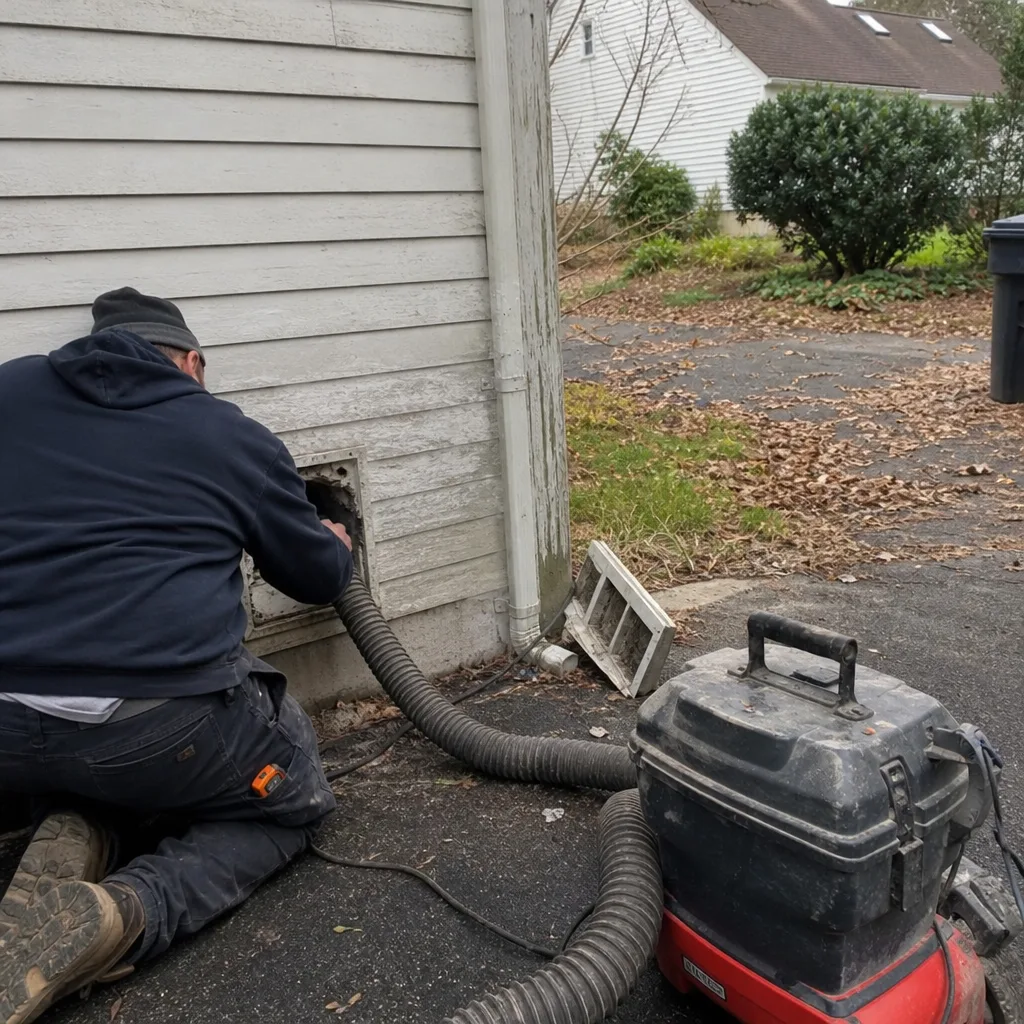 Before
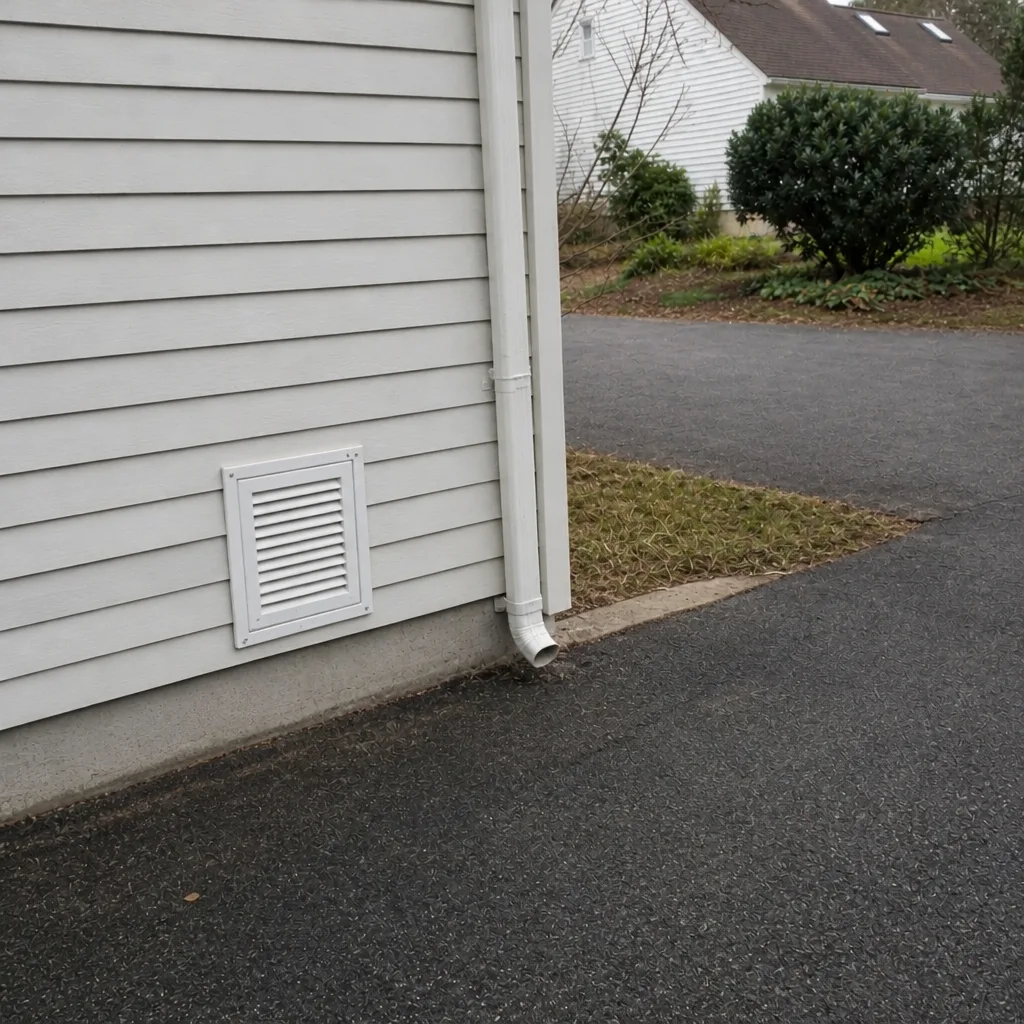 After
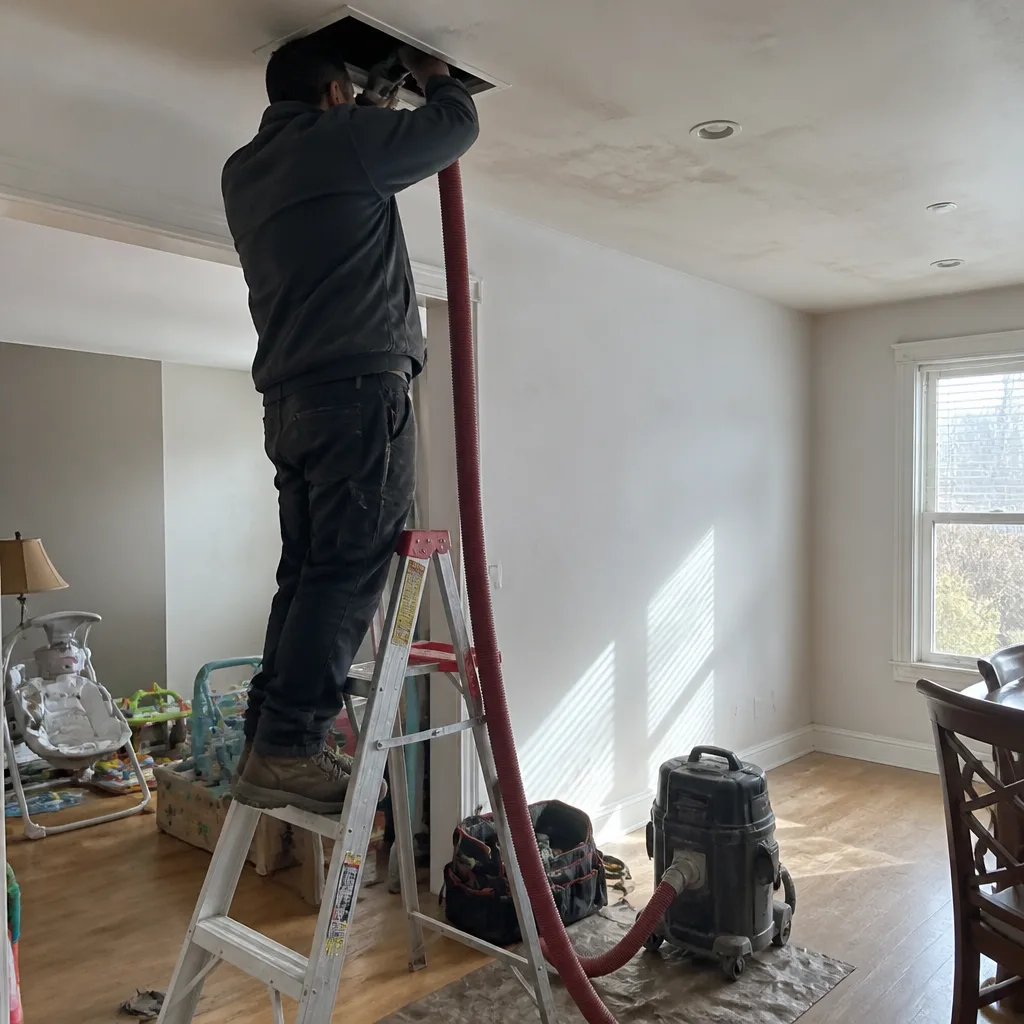 Before
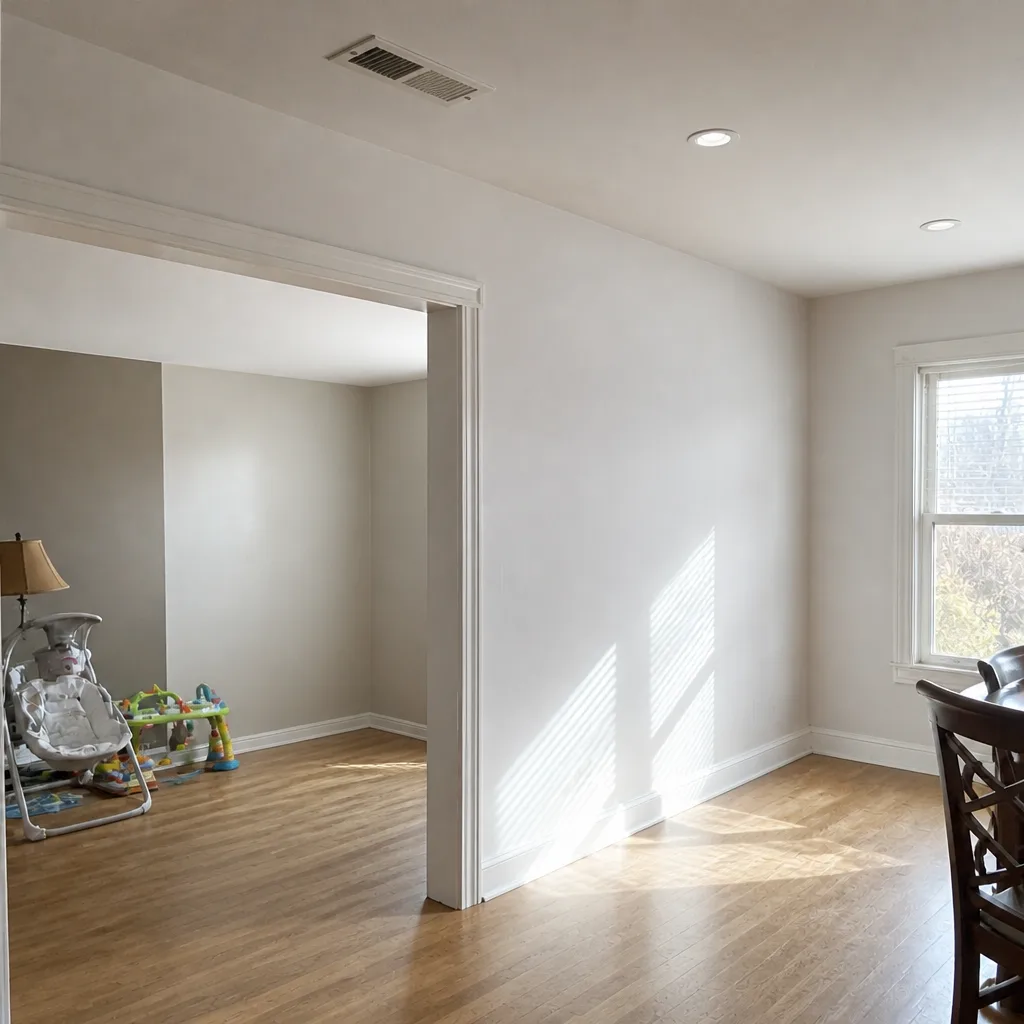 After
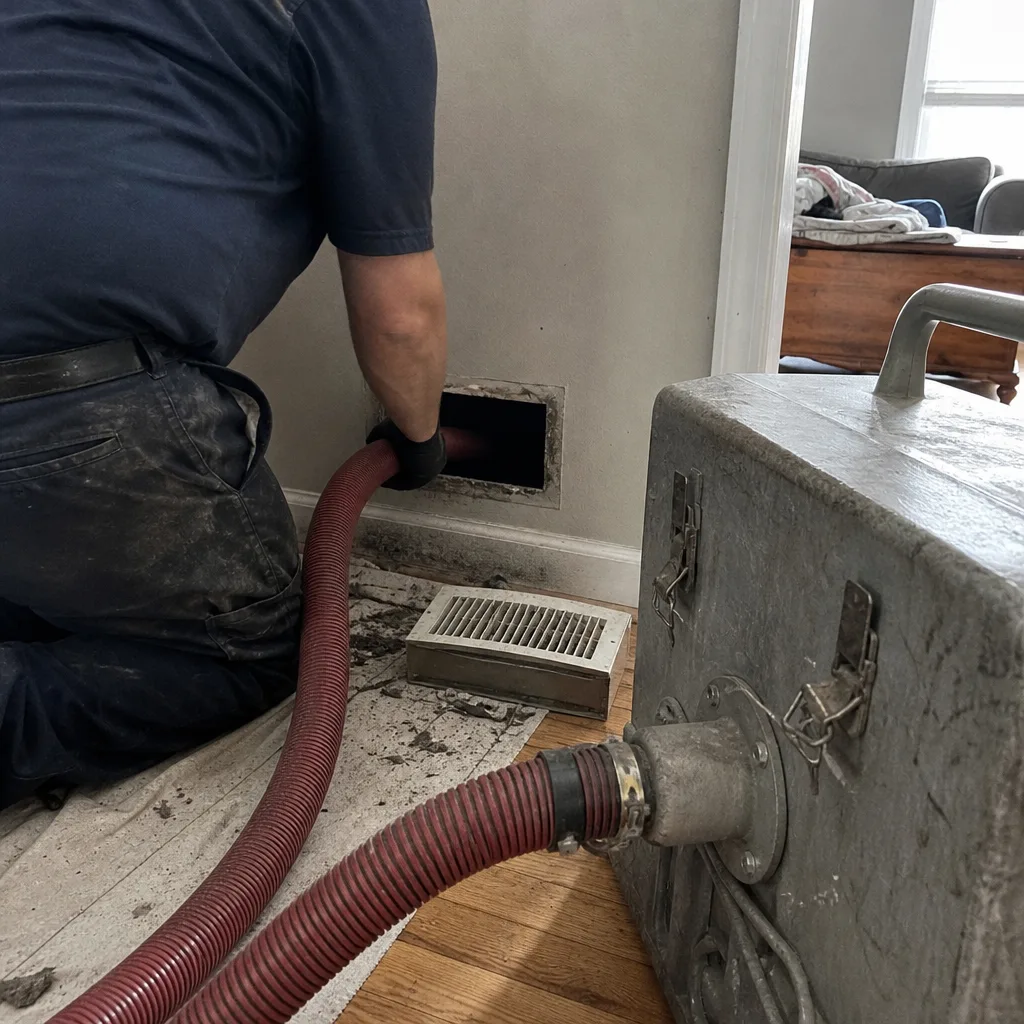 Before
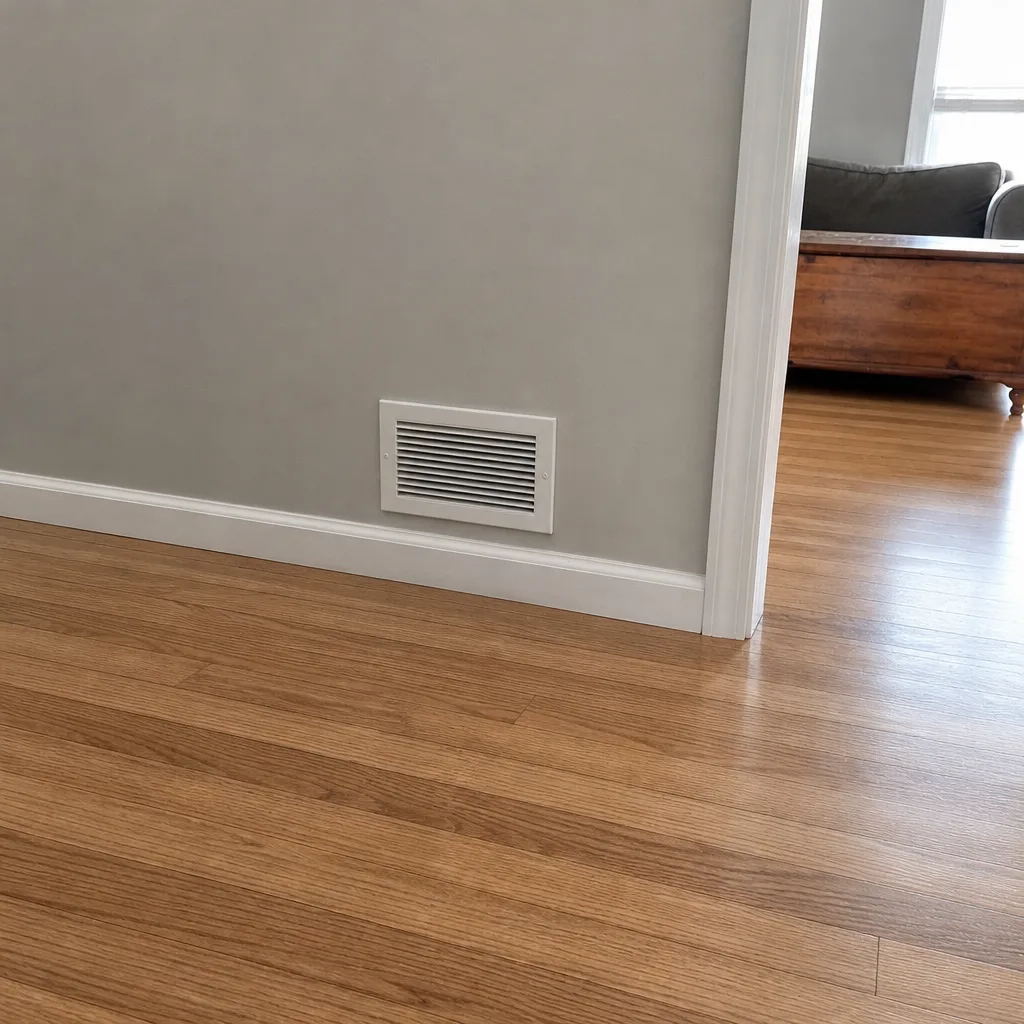 After
When to Call a Professional
Some problems aren’t a matter of scheduling. If you notice a persistent musty smell from the registers, visible dust streaming from the vents after you cleaned them, uneven airflow that’s gotten worse room by room, or dampness on basement duct runs, it’s time for a professional inspection rather than a longer wait. The same goes if someone in the house has developed new respiratory symptoms after a renovation or a move. A home that’s just been purchased is worth a full baseline cleaning so you know what you’re starting from, whatever the previous owner’s records say.
Professional-grade equipment matters here. Rotobrush and Nikro cleaning systems and Abatement Technologies containment gear are built to do work that consumer gear can’t. When we quote a job, we tell you what equipment we’ll use and why. Duct Cleaning Albany offers free estimates in Albany, so call (888) 861-7237 to set one up.
Frequently Asked Questions
Most Albany homes should be cleaned every three to five years, shortened to about two if you have pets, have recently renovated, converted from oil to gas, or have allergy concerns in the household. The schedule that fits your house depends on its age, duct material, and household load more than on the calendar.
Yes, for many homes. The freeze-thaw cycle keeps basement and crawl space air damp for much of the year, and damp duct surfaces collect fine dust faster than they would in a drier climate. Homes with visible dampness in the basement tend to need the shorter end of the interval.
Use a modest pleated filter changed every three months if your household is low-traffic with no pets. Move to a higher-efficiency pleated filter every two months with pets or a dusty environment. If anyone has allergies, use a high-MERV filter checked monthly, but confirm your blower can handle the airflow restriction before going higher. Homes with a Honeywell or Aprilaire whole-home air cleaner should follow that system’s own media intervals.
No. An inspection is diagnostic: it confirms the condition of the system, checks airflow and moisture, and looks at blower and coil. A cleaning is a full source-removal reset using containment and agitation equipment. A maintenance schedule includes both at different points.
Damage is common in older Albany homes, and cleaning is where it usually gets found. Disconnected joints, crushed runs, and sagging trunks can be repaired on the same visit, so you’re not chasing a second contractor. See exactly what we use and why it matters when you get the estimate.
Whole-system pricing is set per job, and the written estimate is the final word. Quotes that sound unusually low usually reflect entry-level equipment and a shorter scope, and the difference shows up in what’s actually removed and what’s documented. We agree on one price per system before work starts and provide before-and-after photos of your ducts. Call (888) 861-7237 for a free estimate.
The Bottom Line
A good duct maintenance schedule for an Albany home is a decision tree, not a fixed number. Start with the three-to-five-year window, shorten it for pets, renovations, fuel conversions, allergy concerns, and older ductwork, and lean on the filter as the main control on how fast the system re-dirties. Do an inspection at two years, a full cleaning at four or five, and document the post-cleaning condition every time so future calls are comparisons rather than guesses. Pair the schedule with a dryer vent cleaning and let a repair-capable provider handle anything the cleaning turns up. Call (888) 861-7237 for a free estimate. We answer 24/7. Fast dispatch from 7am to 7pm, Sunday through Friday.
Written by the team at Duct Cleaning Albany.