
Last updated November 16, 2026
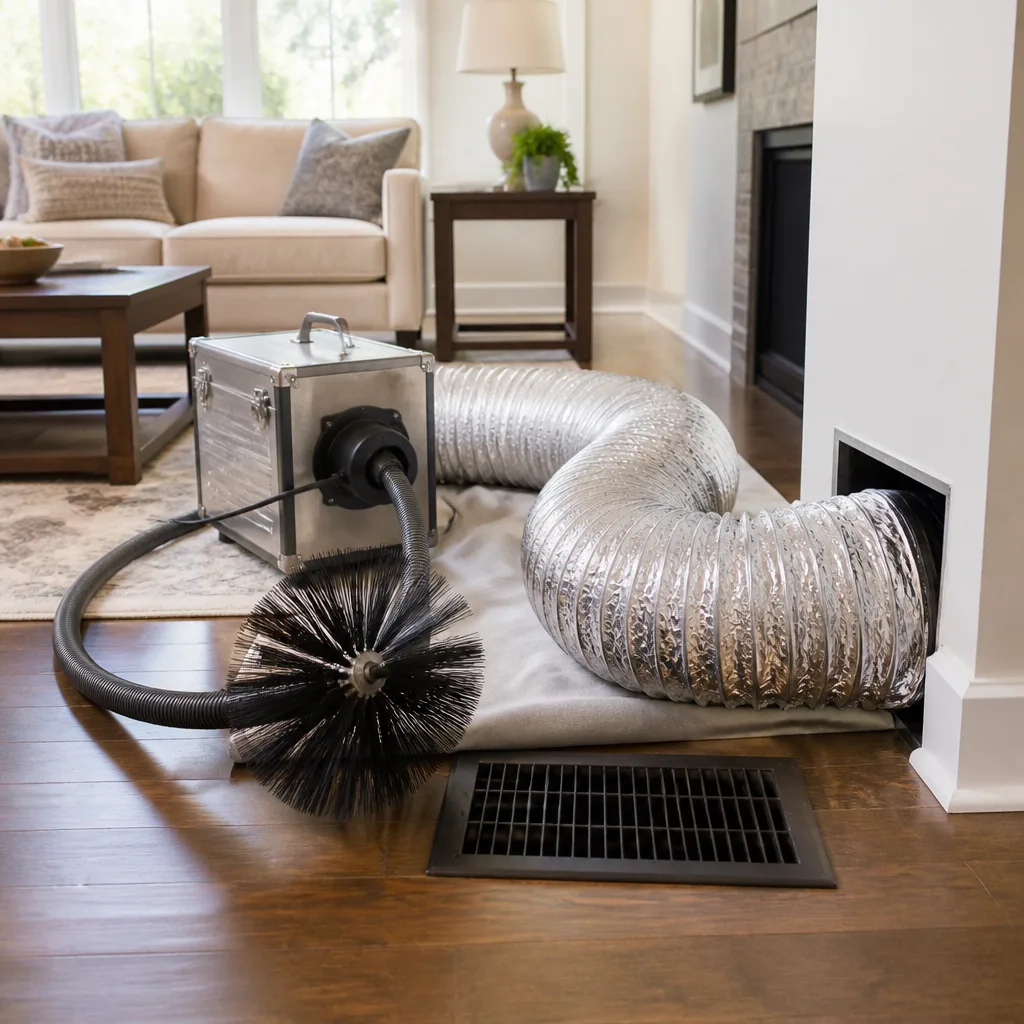 Whole-home duct cleaning
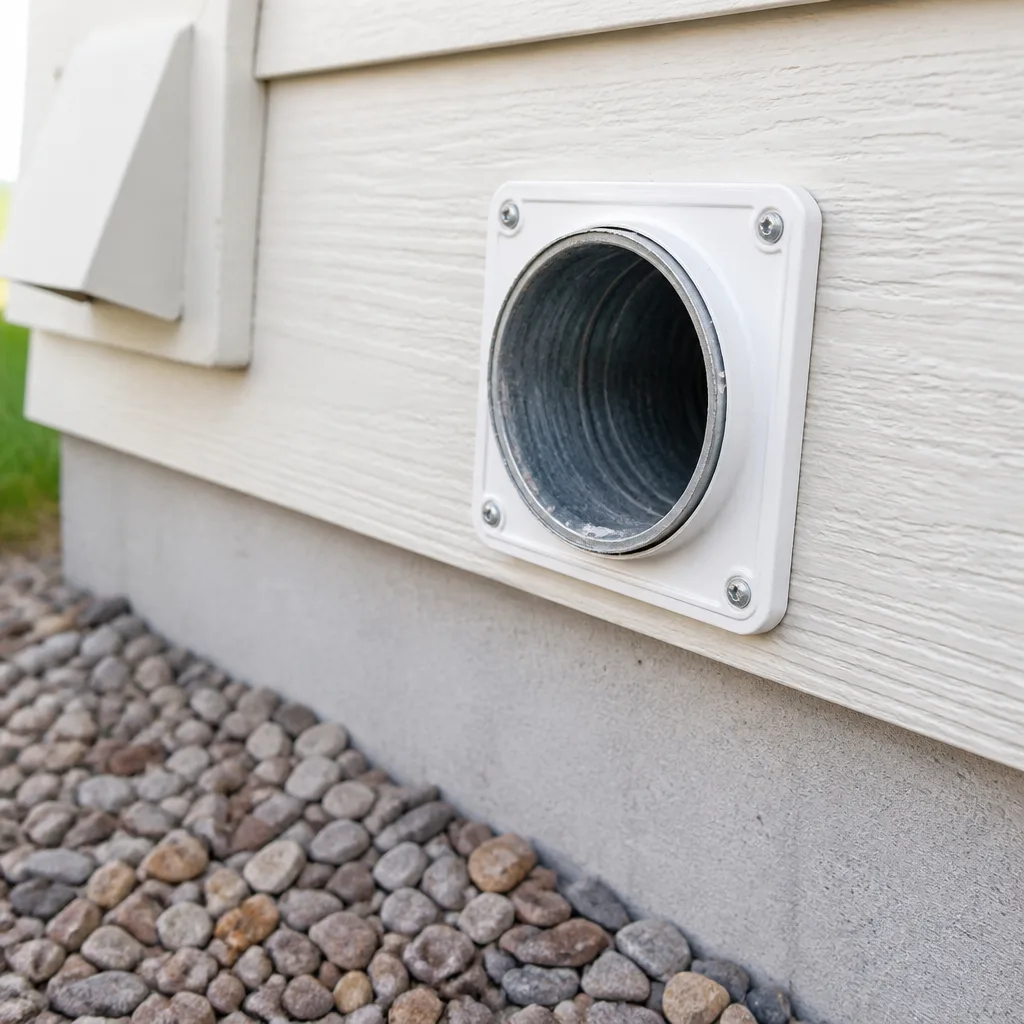 Dryer vent cleaning
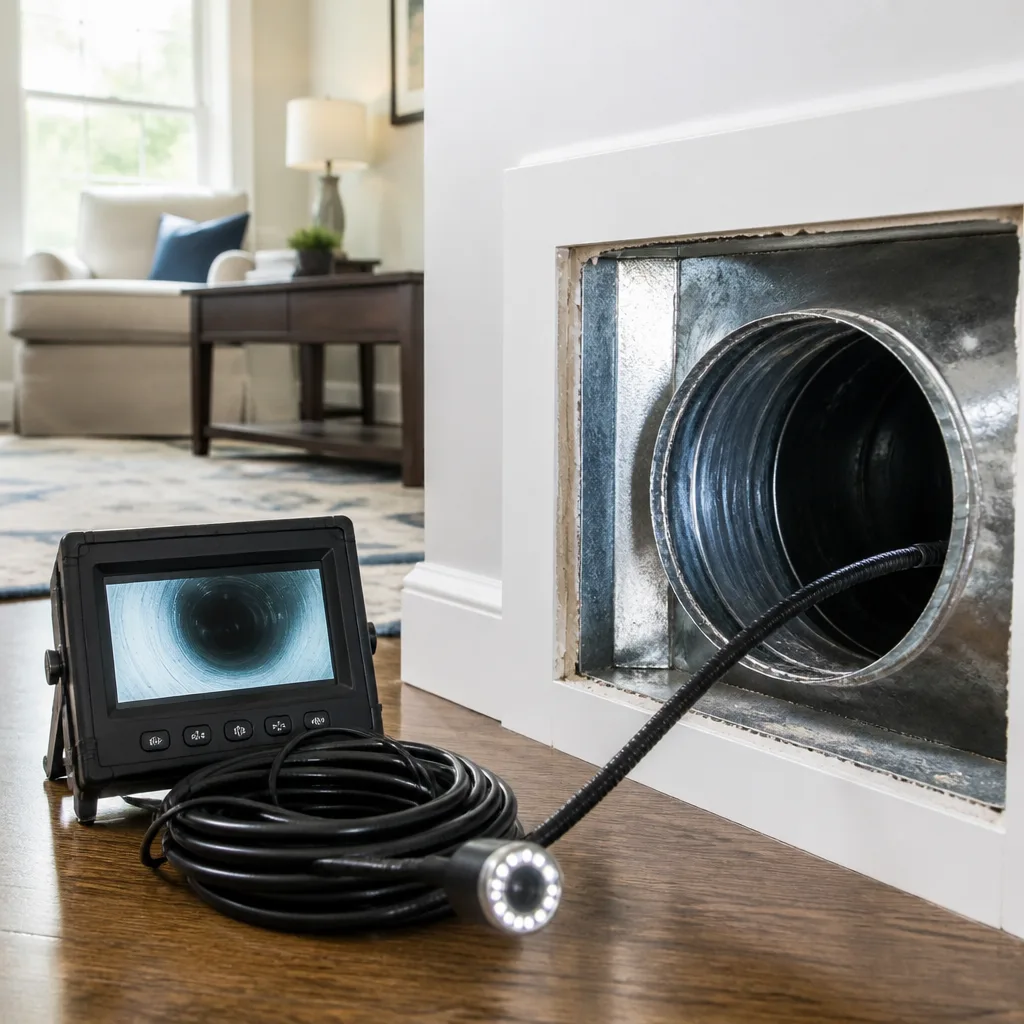 Camera inspection
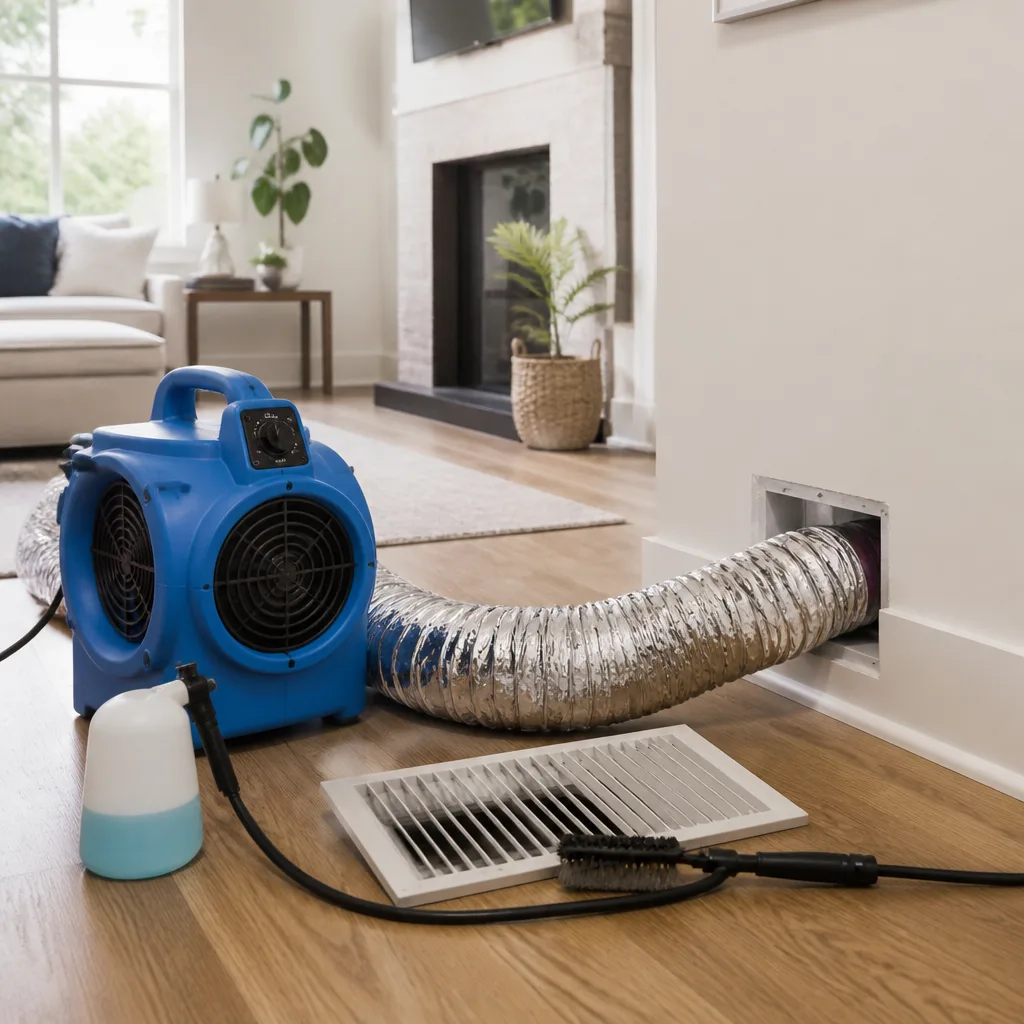 Sanitizing & deodorizing
Whole-system duct and dryer vent check with before-and-after photos - you see exactly what came out of your vents
That "$99 whole-house special" is a bait ad - the real number appears once they are in your hallway, or the "clean" is a shop-vac at the register. We photograph the inside of your ducts before and after instead.
Air Duct Cleaning Warning Signs: An Albany Homeowner’s Reference Guide
Dust on your registers is not a reliable indicator that your ducts need cleaning. More often it points to an undersized filter or a return grille that’s leaking bypass air around its frame. The signs that actually matter are subtler: a room that never warms up, a smell that shows up only when the heat runs, a dryer that suddenly needs two cycles. This guide is about reading those signals precisely, because the words you use to describe a problem in Albany determine whether you get a cleaning, a repair, or a wasted afternoon. We’ll walk through what each pattern usually means and how to rule causes in or out before anyone opens a panel.
Quick Answer
The most reliable warning signs that your duct system needs attention are uneven room temperatures, musty or construction-dust odors that appear when the blower runs, a dryer that takes more than one cycle, visible dust streaming from supply registers after a filter change, and utility bills that climb without a rate change or weather explanation. Dust settled on top of a register is not on that list, because it usually means filter or grille trouble, not a dirty duct interior.
Styles & brands we work with
- Whole-home duct cleaning
- Dryer vent cleaning
- Camera inspection
- Sanitizing & deodorizing
Table of Contents
- Why Dust on Registers Doesn’t Mean What You Think
- Dirty Ducts vs. Leaky Ducts: Two Problems, Overlapping Symptoms
- What Uneven Room Temperatures Actually Tell You
- Odor Patterns and What They Point To
- Rising Utility Bills: Isolating the Cause
- When Cleaning Won’t Fix It
- Dryer Vent Warning Signs
- What a Real Inspection Looks Like
Why Dust on Registers Doesn’t Mean What You Think
Homeowners in Albany tend to judge duct condition by the register grille, and that’s the first place the logic breaks down. A grille collects dust for the same reason the top of your refrigerator does: it sits in moving room air and the surface is slightly charged and textured. What lands there came from the room, not from the duct behind it. We’ve pulled grilles off systems with genuinely heavy interior debris and found the grille itself nearly clean, and we’ve seen spotless ductwork behind a grille caked in household dust.
Two mechanical explanations cover most of it:
- Undersized filtration. A filter rated below the airflow your blower moves will shed particles past its face. Those particles settle on the nearest cool surface, and a supply register is often it. The fix is filtration, not cleaning.
- Return grille bypass. Return air is under negative pressure. If the grille frame doesn’t seat tightly to drywall, or the filter slot is loose, unfiltered air gets pulled in around the edges and dusts everything downstream. Check the seal with your hand while the system runs – if you feel suction at the frame, air is bypassing the filter.
Old Capital Region housing stock makes bypass more common than it is in newer construction. Plaster walls, settled framing, and filter slots cut decades ago and never re-sealed all create gaps. Before you book anything, run the hand-on-the-frame test and look at your filter’s MERV rating against what your blower is rated for. If both check out and you still have dust, that’s when interior duct debris moves up the list.
Dirty Ducts vs. Leaky Ducts: Two Problems, Overlapping Symptoms
This is the distinction that saves Albany homeowners the most money, and it’s the one most articles skip. Dirty ducts and leaky ducts both produce excess dust, uneven temperatures, and higher bills. They need different work. Cleaning a duct system that leaks heavily leaves you with a clean system that still leaks – the dust returns, and nothing improved.
Here’s how to tell them apart in practical terms.
- Where the dust appears. Interior debris tends to load up closest to the air handler and distribute downstream through every supply. Leakage tends to dust specific areas – around the joints, near the furnace closet, above a ceiling chase. Localized dust points to leakage.
- What the pressure feels like. A strong, steady flow at registers suggests a tight system. Weak flow at distant registers with strong flow at near ones suggests leakage short-circuiting the run.
- What the basement or attic looks like. Disconnected joints, tape that’s failed, and visibly separated flex are leakage evidence you can see from outside the duct. If you find that, repair comes before cleaning.
- Whether the symptom is seasonal. Leakage into an unconditioned attic or crawlspace gets worse in extreme weather. Interior debris load stays fairly constant.
If your inspection turns up separated joints, failed tape, or crushed flex runs, the sequence matters: fix the duct envelope first. Learn more about what that involves in our guide to air duct cleaning, which covers how cleaning and repair fit together.
What Uneven Room Temperatures Actually Tell You
Homeowners assume cold rooms mean a dirty duct is blocking airflow. Blockage is possible, especially if vent covers, furniture, or a crushed run is the culprit. But in our experience, uneven temperatures across an Albany home point to three other causes far more often, and diagnosing them in order saves a wasted visit.
- Balance, not blockage. A single blower pushing into a branch system delivers air by path of least resistance. The room closest to the trunk gets more than the far bedroom. This is a balancing issue, and it’s common in older homes where additions and converted attics were tapped into the original system without re-balancing dampers.
- Leakage before the branch. Air lost in a basement or attic run never reaches the room downstream. The leak is often blamed on the room.
- Building envelope before duct. An insulated-but-drafty room over a garage will feel cold no matter how much conditioned air you push in. Look at windows, door seals, and insulation before you look at the duct.
One way to narrow it down: run the blower continuously and check whether flow at the cold room’s register is weak or strong. Weak flow means a supply-side problem (damper, crushed run, disconnect). Strong flow into a cold room means the air is arriving but the room isn’t holding it. The second problem isn’t a duct cleaning problem at all, and an honest technician should tell you that. Across Albany’s stock of homes, this step alone prevents a lot of unnecessary work.
Odor Patterns and What They Point To
Odor is the most diagnostic symptom in duct work because different contaminants produce different smells, and the pattern of when the smell appears tells you where to look. If you can describe the odor precisely, you’ve done half the diagnosis.
Musty, damp, or basement-like
This is the classic signature of biological growth – mold or mildew – on wet duct lining, evaporator coils, or the plenum. It intensifies when the system first starts and the blower pushes stored damp air into the rooms. It tends to be worst in summer, when cooling coils stay wet. Look for a stuck or clogged condensate line and dirty filter as contributors.
Chalky, chemical, or dust-in-the-air
A sharp, dry, construction-dust smell that appears at startup and fades within minutes is usually debris settled in the duct interior – drywall dust from a renovation, or old debris re-entraining when the airflow kicks on. This responds well to professional cleaning with equipment designed to extract, not just loosen. Systems like Rotobrush and Nikro used with proper containment capture that material instead of blowing it into the room.
Animal or ammonia-like
A sharp, persistent animal smell points to a critter intrusion – rodent droppings, urine, or a nesting site. This should be treated with containment and HEPA-level handling, not a fan and a bag. Abatement Technologies equipment is built for that kind of work, and it’s why we use it. Don’t run the system on a high blower while investigating; that pushes contamination deeper.
Rising Utility Bills: Isolating the Cause
Bills climb for a dozen reasons, and only one of them is duct work. Before you blame the ducts, rule out the easy causes with a short checklist.
- Rate change. Compare the rate per kilowatt-hour or therm, not the total bill. If the rate moved, the bill isn’t a duct signal.
- Weather. Compare the same month across two years, not this bill to last bill. A colder winter or hotter summer moves the number, not the ducts.
- Behavioral change. New occupants, new appliances, more time at home, a device added to a circuit.
If the rate is flat and the weather is comparable, then look at the system. Duct leakage into an unconditioned space is the most common duct-related bill driver. Air you paid to heat or cool escapes into the attic or basement, and the system runs longer to maintain the setpoint. A simple test: run the blower for ten minutes, then check whether the basement or attic feels noticeably warmer or cooler than before. That’s escaping air, and it’s your clue. If you find that plus dust, the answer is usually repair first, then cleaning – which is exactly the sequence most clean-only providers can’t offer. We see the pattern often enough in Albany that we check for it on every walkthrough.
When Cleaning Won’t Fix It
There are warning signs that tell you cleaning is the wrong first step. If any of these are present, repair is the real starting point, and cleaning comes after.
- Visible disconnects or failed joints. A separated or taped-over joint is a leak that no amount of cleaning seals.
- Crushed or disconnected flex runs. Common where runs pass through tight chases or were bent around a corner. Airflow issue, not a cleanliness issue.
- Pest damage. Chewed or split ducting needs replacement, not a vacuum.
- Sagging or water-stained duct liner. Wet insulation is a biological growth reservoir. Cleaning the surface doesn’t fix the source.
- Weak airflow at exactly one register. A single-room airflow problem is almost always a run-specific obstruction or disconnect.
Repair capability changes the whole conversation. If the technician who cleans your ducts can’t also repair a found disconnect, you’re calling a second contractor – and the first one may not be able to show you the problem in the first place. We do both: cleaning with a professional-grade system, and repair of the duct envelope when the walkthrough finds damage. It also means we’re working with whole-home systems, including gear built to pair with Honeywell and Guardsman components, so what we put back works with what you already have.
Dryer Vent Warning Signs
The dryer vent belongs on this list because the symptoms overlap with duct issues and the stakes are higher. A dryer that takes two cycles instead of one, feels hot to the touch at the top of the cabinet, or leaves clothes damp is telling you the exhaust path is restricted. That restriction isn’t an inconvenience – lint buildup in a dryer vent is a fire risk, and it’s the cause of a large share of household dryer fires. This isn’t a cleaning project you postpone.
What to check:
- Clothes taking more than one cycle. Restricted exhaust keeps moisture in the drum.
- The cabinet running hot. Poor airflow means the dryer backs up heat instead of venting it.
- Lint accumulating around the outside vent flap or on the floor behind the dryer. That’s material escaping before the duct, which means the path is blocked somewhere downstream.
- The outside flap not opening fully when the dryer runs. Observe it from outside with the dryer on – weak or closed flap means restriction.
Our dryer vent cleaning service handles this with the same equipment and the same discipline we bring to duct work. It’s one of the three core services we do for Albany homes, and it’s the one people most often skip.
What a Real Inspection Looks Like
An inspection that actually tells you something follows a sequence, not a sales script. Here’s what a proper walkthrough includes, and what to expect from a professional-grade provider.
- Ask about symptoms first. What rooms are off, what smells appear and when, how the dryer behaves, whether the bill climbed against a rate change. This narrows the diagnosis before a tool comes out.
- Visual walk of every accessible run. Basement, attic, closets, and chases. Look for disconnects, failed tape, crushed flex, pest damage.
- Access openings with proper containment. Professional work means a containment setup and HEPA-level handling, so debris isn’t released into your home while they work. Ask what equipment is used. If the answer is a consumer shop vac, you have an answer about the whole job.
- Before-and-after photos of your own system. This is the verifiable part. You should be able to see the runs before and after, not just hear about them.
- A clear statement of what’s cleaning and what’s repair. A provider that can only clean will describe everything as cleanup. One that repairs will tell you when cleaning isn’t the answer.
Our technicians have up to 9 years of experience with Rotobrush and Nikro systems, and we choose the equipment specifically because the same gear is used by commercial and industrial contractors. Consumer-grade vacs move air, they don’t contain it. If you want to see exactly what we use and why it matters, ask on the walkthrough – we’ll show you. You can also read more about how we work on our Duct Cleaning Albany page.
Common Mistakes to Avoid
- Judging duct condition by the register grille. As covered above, dust on the grille points at filtration or bypass, not interior debris. Check the filter seal first and save the cleaning for a real symptom.
- Booking a cleaning when the real issue is leakage. A duct system that loses air through separated joints in an Albany attic or basement will keep dusting and keep costing you after a cleaning. Repair first, clean second.
- Accepting a per-vent price as a basis for the job. Per-vent pricing creates an incentive to count vents, not to solve the problem. Whole-system pricing with a scope agreed before work starts tells you what you’re getting. Ours is one flat price per system, agreed in advance.
- Running the system hard while investigating an animal smell. High blower pushes contamination deeper into the runs and makes the job harder. Shut the system down and call for a containment setup.
- Choosing a cleaner without access equipment. Consumer-grade shop vacs move debris but don’t capture it with HEPA containment. Ask what equipment arrives. Rotobrush, Nikro, and Abatement Technologies are the equipment names to listen for.
- Forgetting the dryer vent. A house that gets its ducts cleaned every few years and never has the dryer vent serviced is ignoring the bigger risk. Dryer vent cleaning is not optional.
- Treating uneven temperatures as a cleaning problem by default. Check balancing, leakage, and building envelope first. If airflow to a cold room is strong, cleaning won’t fix it, and a technician who’d rather solve it right will say so.
See the difference
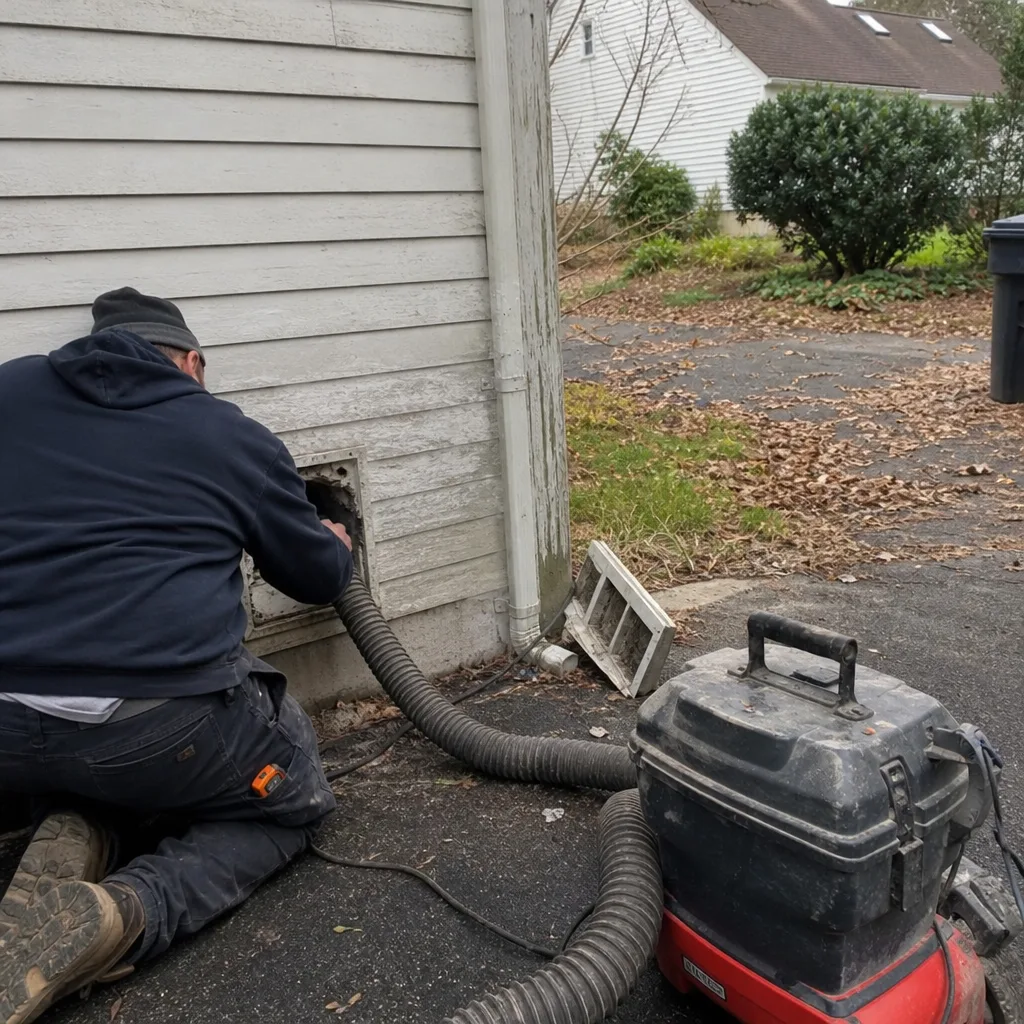 Before
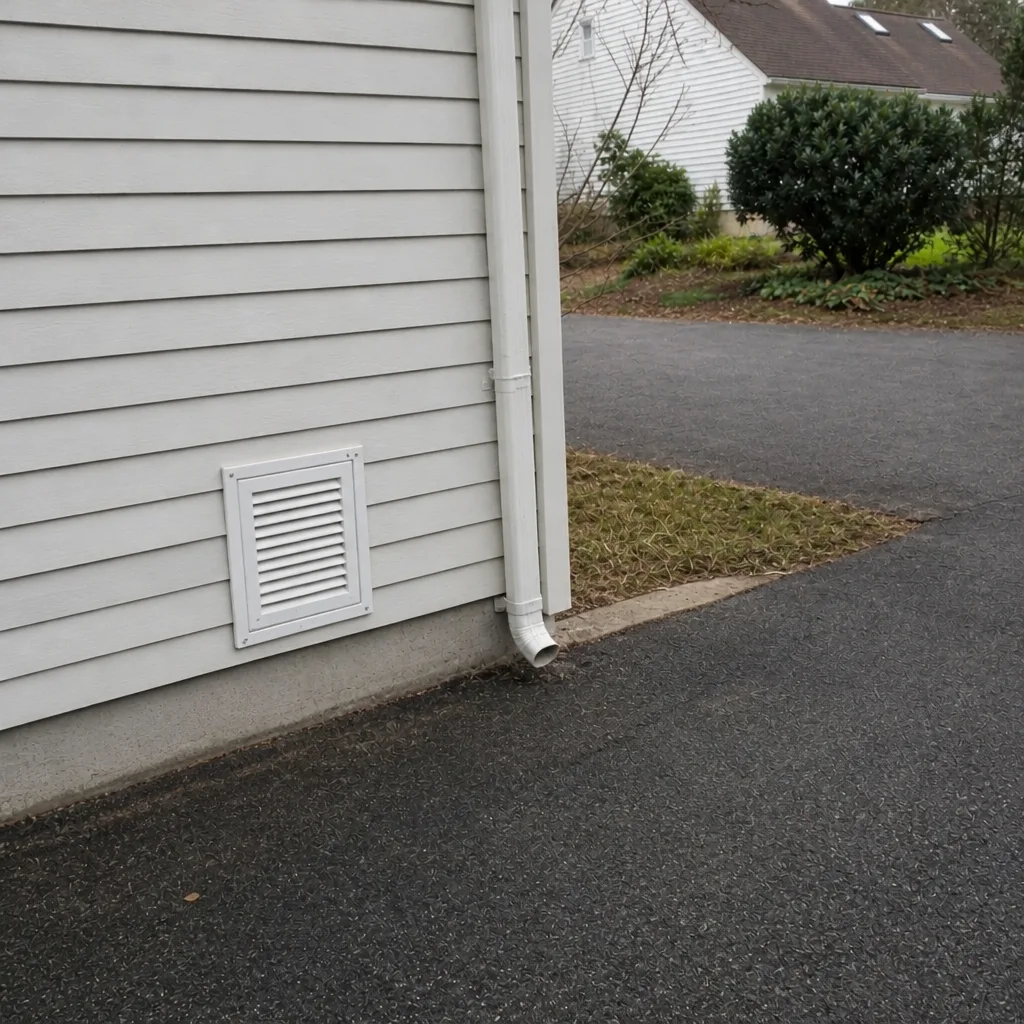 After
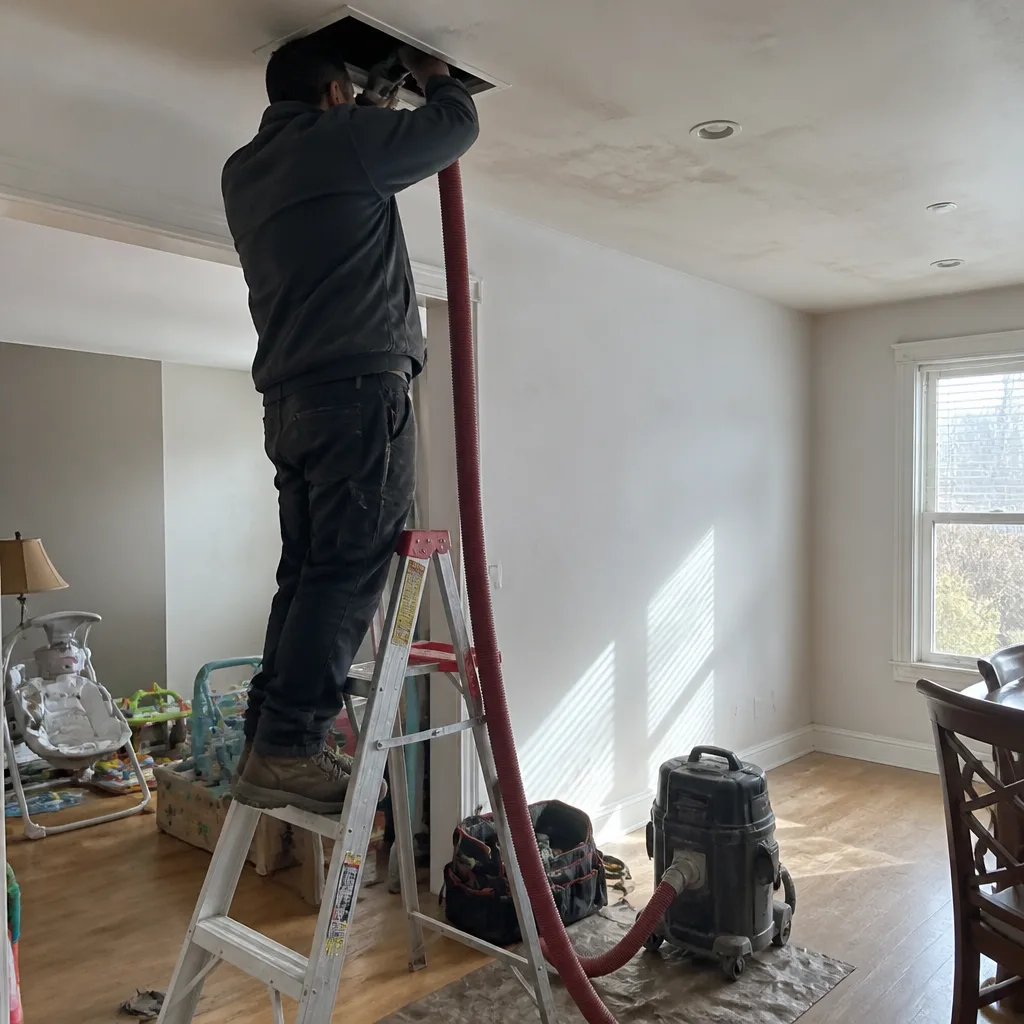 Before
 After
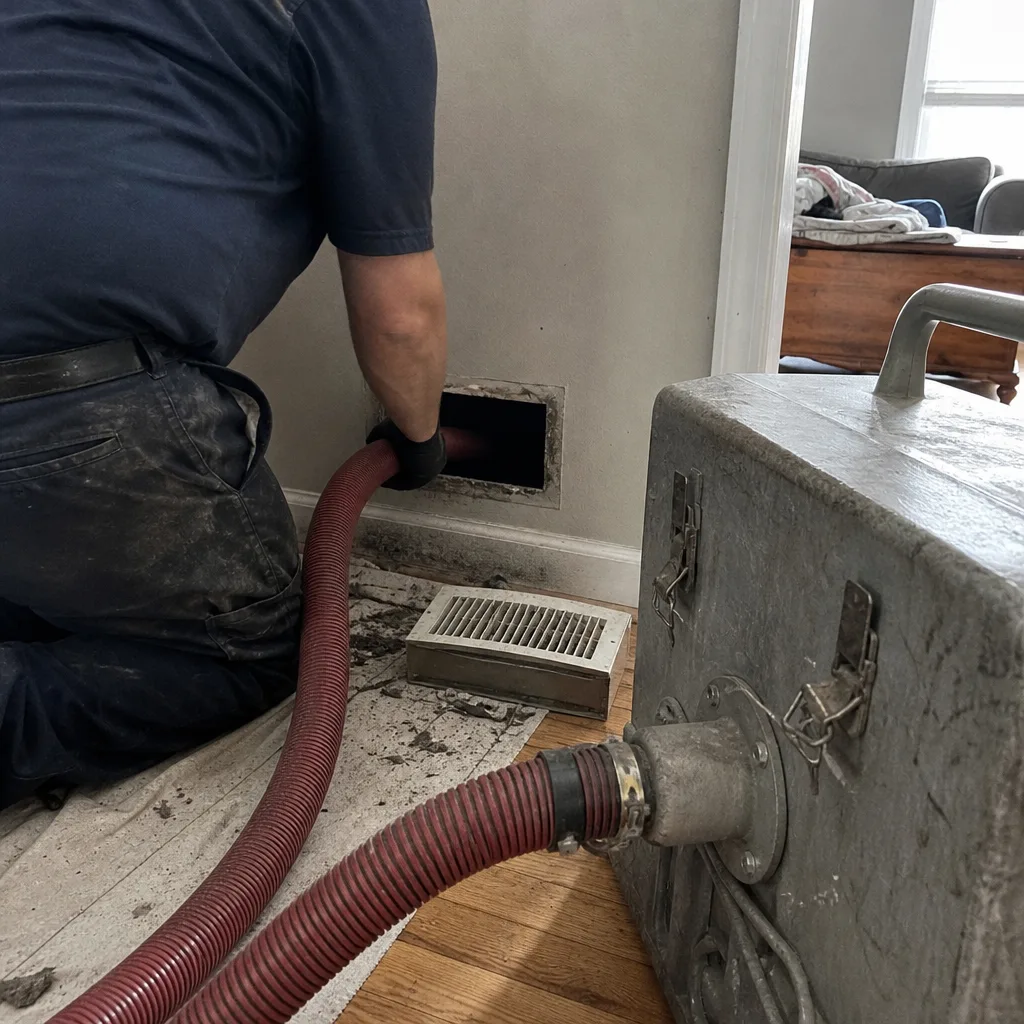 Before
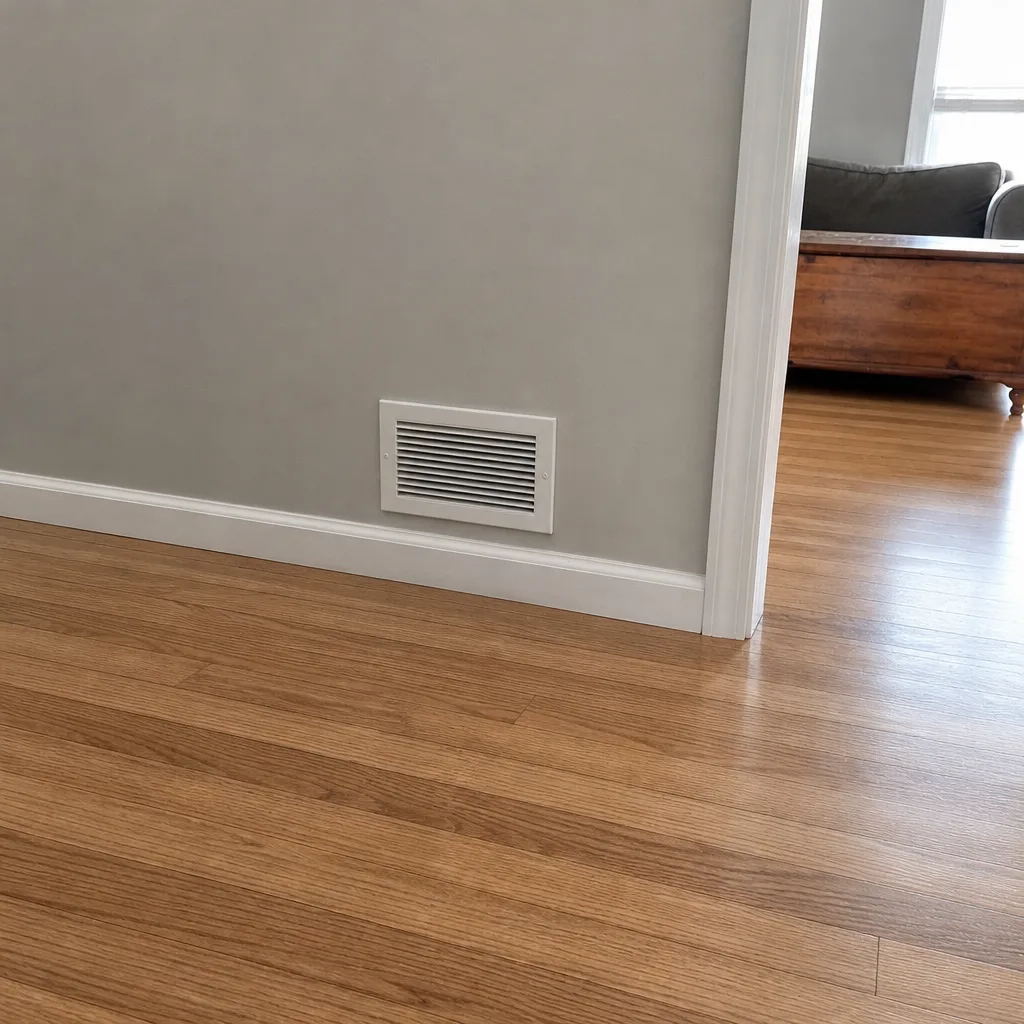 After
When to Call a Professional
Call a professional when the symptoms match more than one on this list and you can’t isolate the cause with the checks above. The clearest triggers: a smell that appears at blower startup, an animal odor in the system, visible disconnects or failed joints during a walkthrough, a dryer behaving differently than it did a year ago, a single room with weak airflow, or a duct system you have no service history on after a recent purchase. If a renovation just finished, a professional cleaning with containment is worth doing before systems run seriously again. Before any work begins, you should get a whole-system scope, a flat price agreed up front, and before-and-after photos of your own system. Duct Cleaning Albany offers free estimates in Albany – call (888) 861-7237.
Frequently Asked Questions
Not necessarily. Dust on a register grille usually points to an undersized filter or a return grille that’s leaking bypass air, not to interior duct debris. Before booking a cleaning, check your filter’s rating against the blower and feel for suction around the return frame while the system runs. If both check out and the dust persists, that’s when interior debris moves up the list. Call (888) 861-7237 for a free estimate if you want someone to look at it in person – estimates are free.
Dirty ducts dust evenly downstream from the air handler. Leaky ducts dust specific areas – around joints, near the furnace closet, or above a ceiling chase – and often cause uneven temperatures that cleaning won’t solve. Check the basement and attic for visible disconnects and failed tape. If you find leakage, repair comes first. Call (888) 861-7237 and describe what you’re seeing – the right walkthrough starts with symptoms, not a quote.
Low quotes usually skip containment, use consumer-grade equipment, and clean only the easy-to-reach runs. Professional work uses equipment designed for containment and full-run extraction – Rotobrush and Nikro systems, or Abatement Technologies for serious air-quality concerns. Ask what equipment will arrive and whether the quote is whole-system or per-vent. We price one flat rate per system, agreed before work starts, and show before-and-after photos of your own system. Call (888) 861-7237 for an exact quote.
Only if duct leakage is the driver. Cleaning alone doesn’t stop air from escaping through separated joints. First compare your rate per unit and weather year over year; if those are flat and the bill still climbed, check the basement or attic for leaking runs. Repairing the duct envelope is the fix when leakage is present, and cleaning follows. Call (888) 861-7237 to schedule a free estimate and have it diagnosed before you commit.
Musty or damp smells point to biological growth on wet lining, coils, or plenum. A chalky, dust-in-the-air smell that shows up at blower startup is usually construction debris or drywall dust. A sharp animal or ammonia smell points to a critter intrusion and calls for HEPA containment right away. Describe the smell and when it appears – that’s the fastest path to the right fix. Call (888) 861-7237 for a free estimate.
Whenever the symptoms say so, not on a fixed calendar. Watch for clothes needing two cycles, a cabinet that runs hot, lint behind the dryer, or a weak outside flap. Lint buildup in a dryer vent is a fire risk, so these signs are worth acting on promptly. Our Albany team handles dryer vent work with the same professional-grade equipment we use for duct cleaning. Call (888) 861-7237 for a free estimate.
The Bottom Line
The warning signs that matter are the subtle ones: uneven temperatures, smells timed to the blower, a dryer that changed behavior, bills that climbed without a rate or weather change, and any visible disconnect in the duct envelope. Dust on the grille is noise. Dirty ducts and leaky ducts share symptoms but need different work, and the sequence matters – repair first when leakage is present. Read the symptoms carefully, rule out the easy causes, and describe what you’re seeing precisely. That’s what gets you the right fix instead of a visit that only cleans. If you’re still unsure, our team is glad to look. Call (888) 861-7237 for a free estimate. We answer 24/7. Fast dispatch from 7am to 7pm, Sunday through Friday.
Written by the team at Duct Cleaning Albany.