
Last updated November 16, 2026
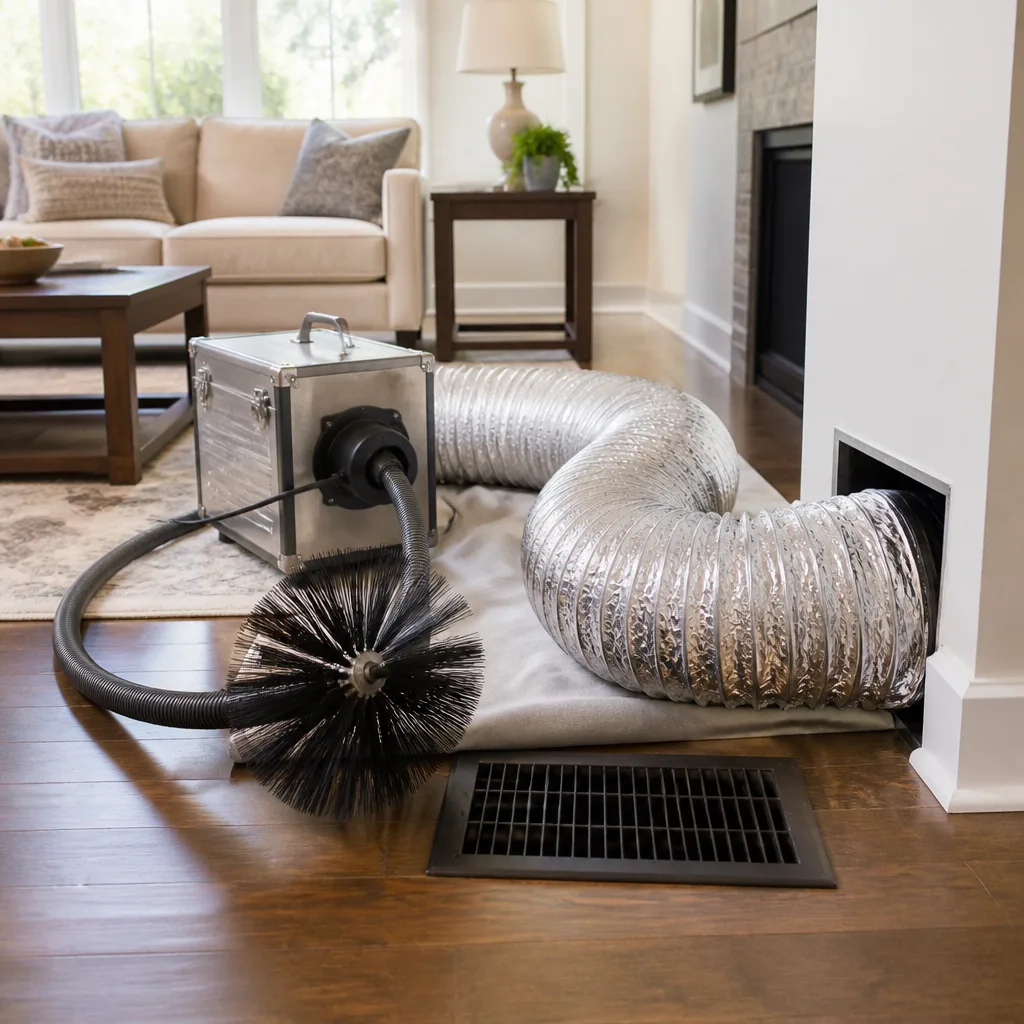 Whole-home duct cleaning
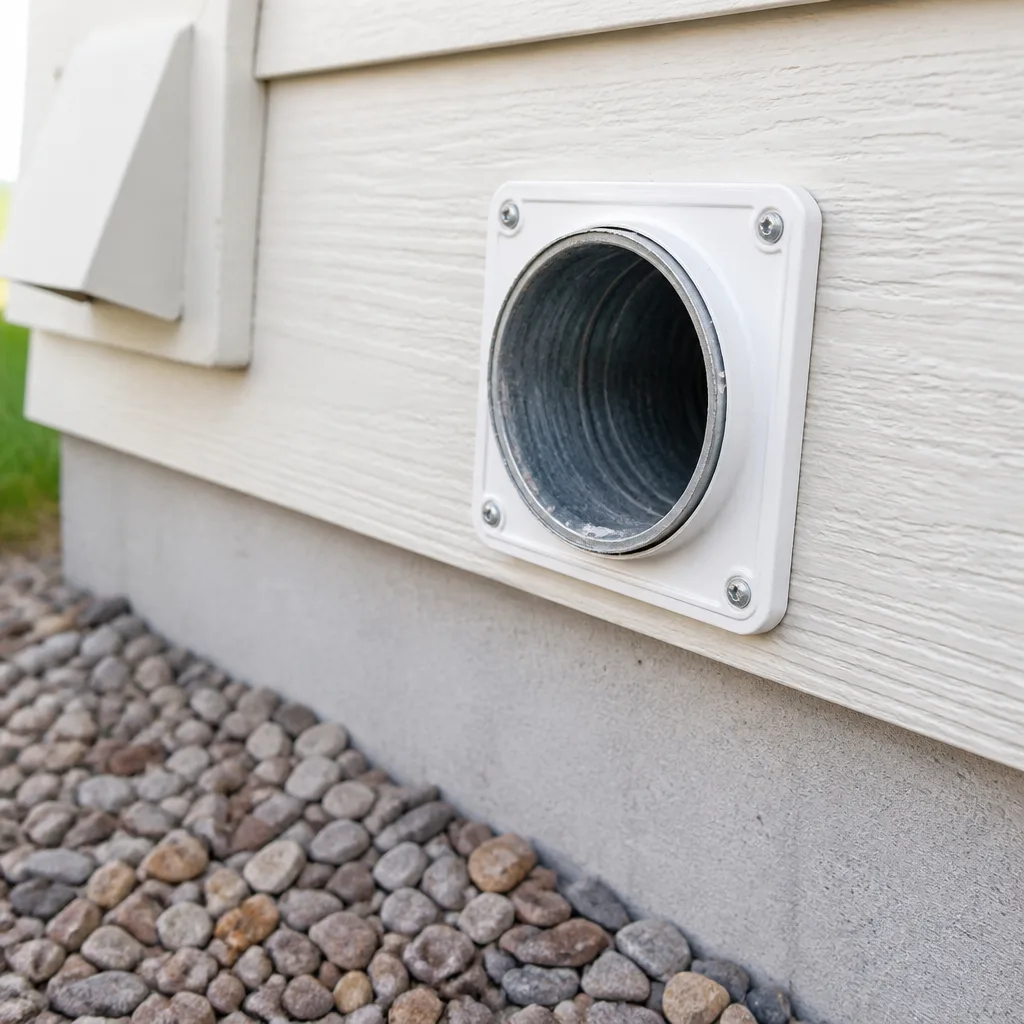 Dryer vent cleaning
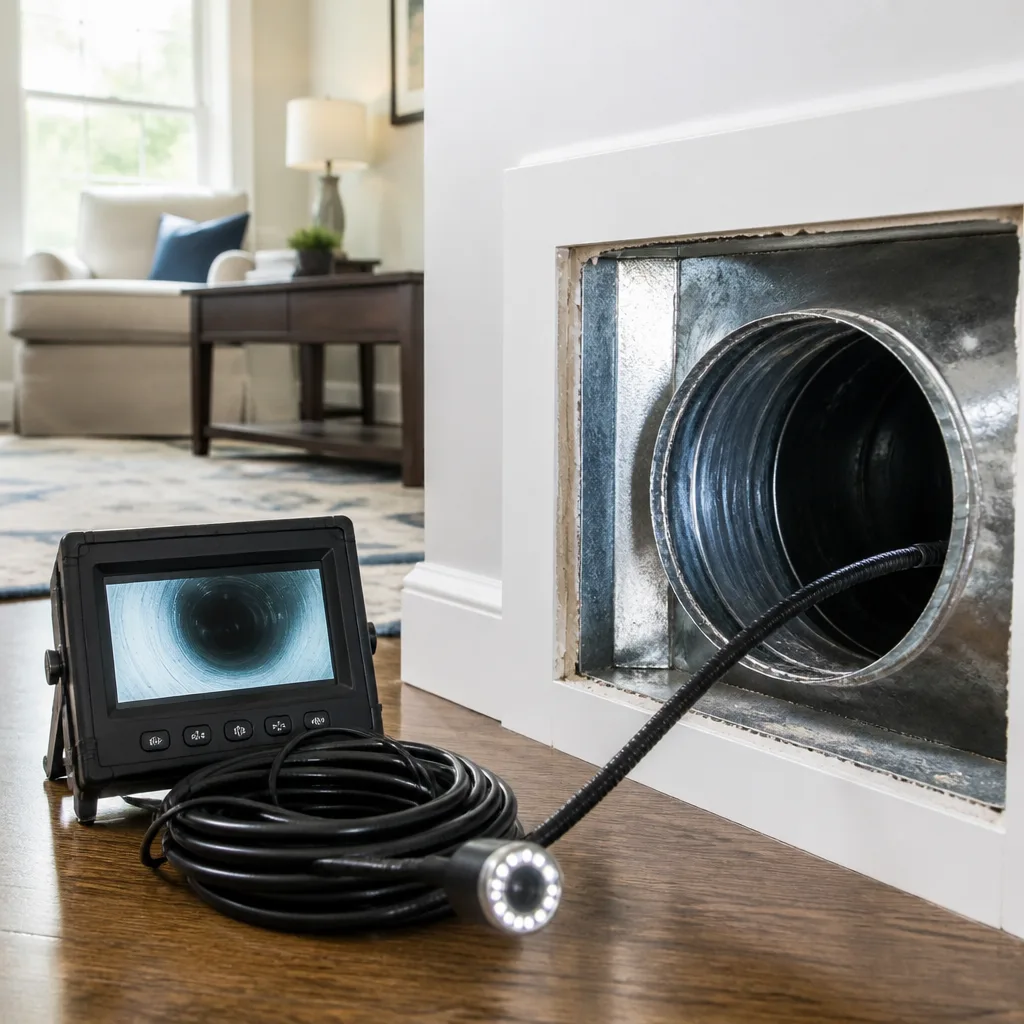 Camera inspection
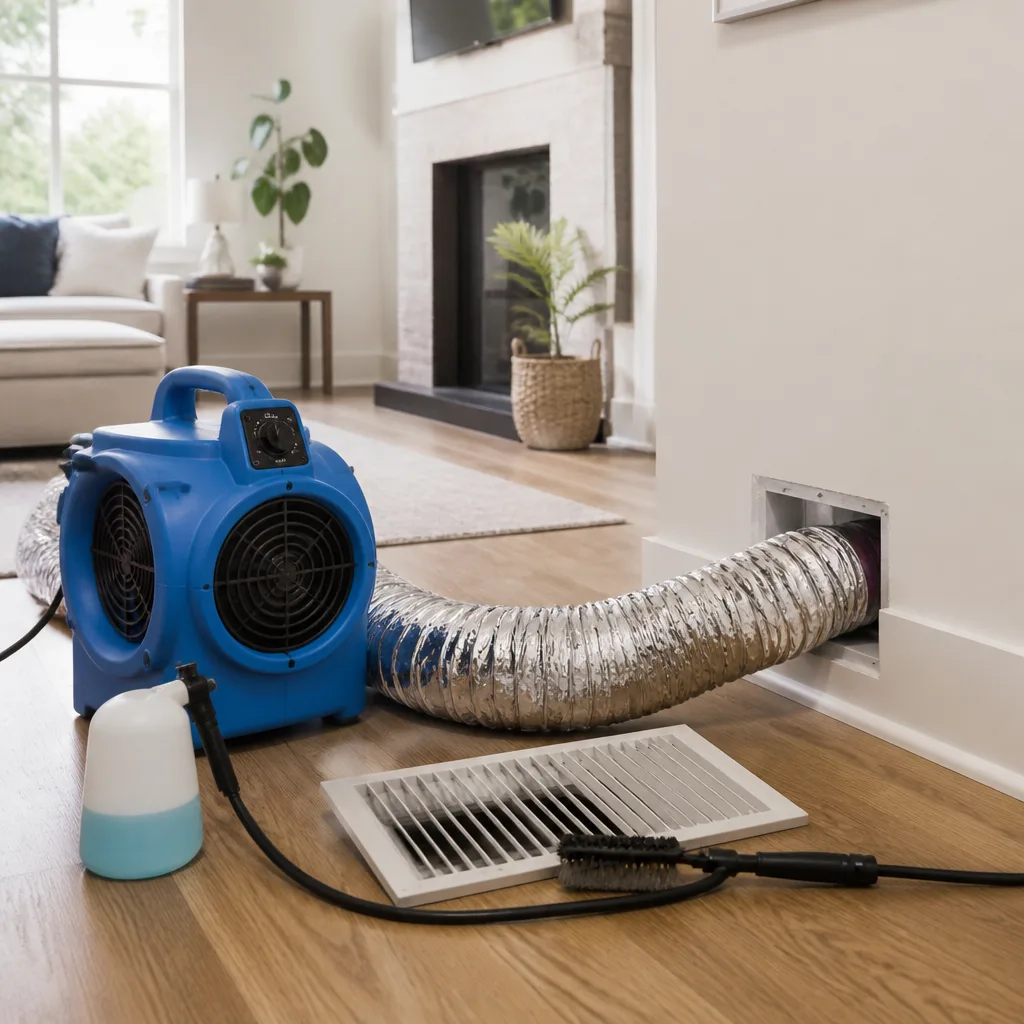 Sanitizing & deodorizing
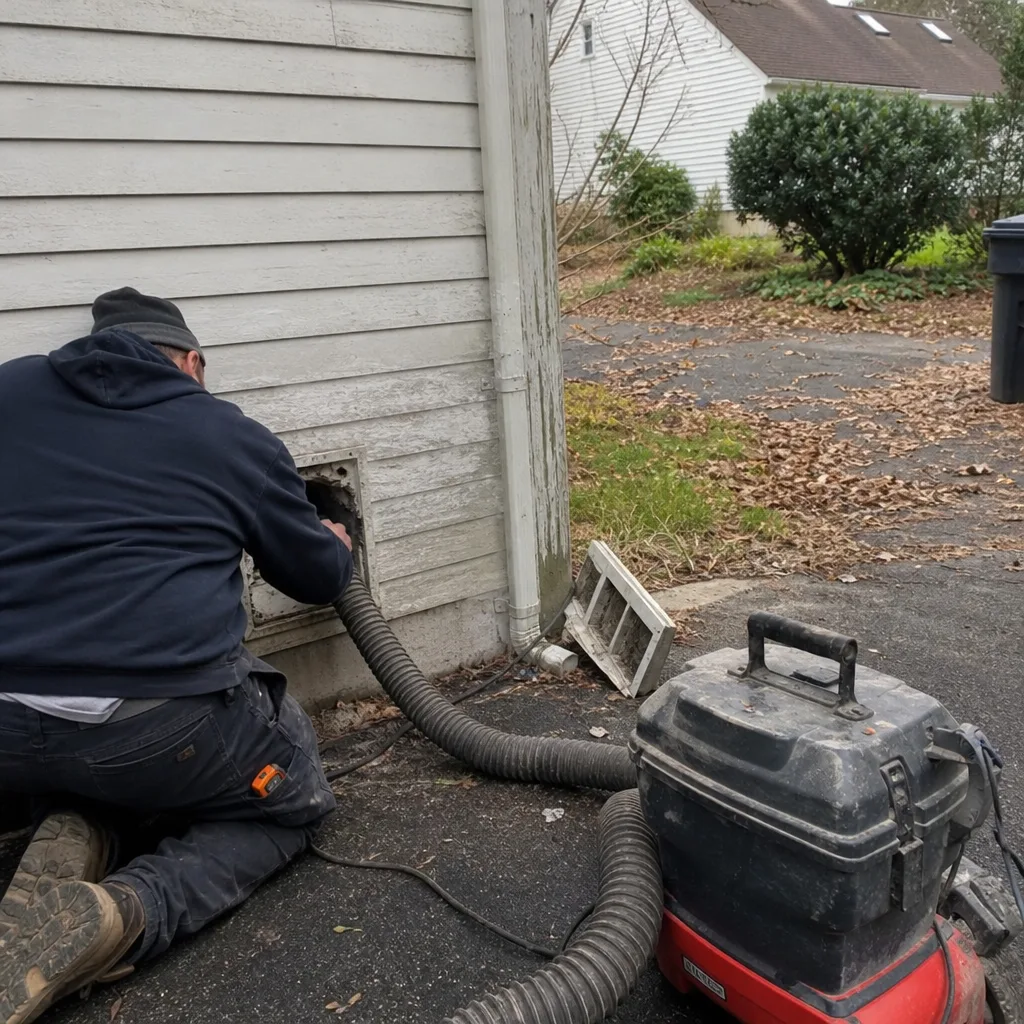
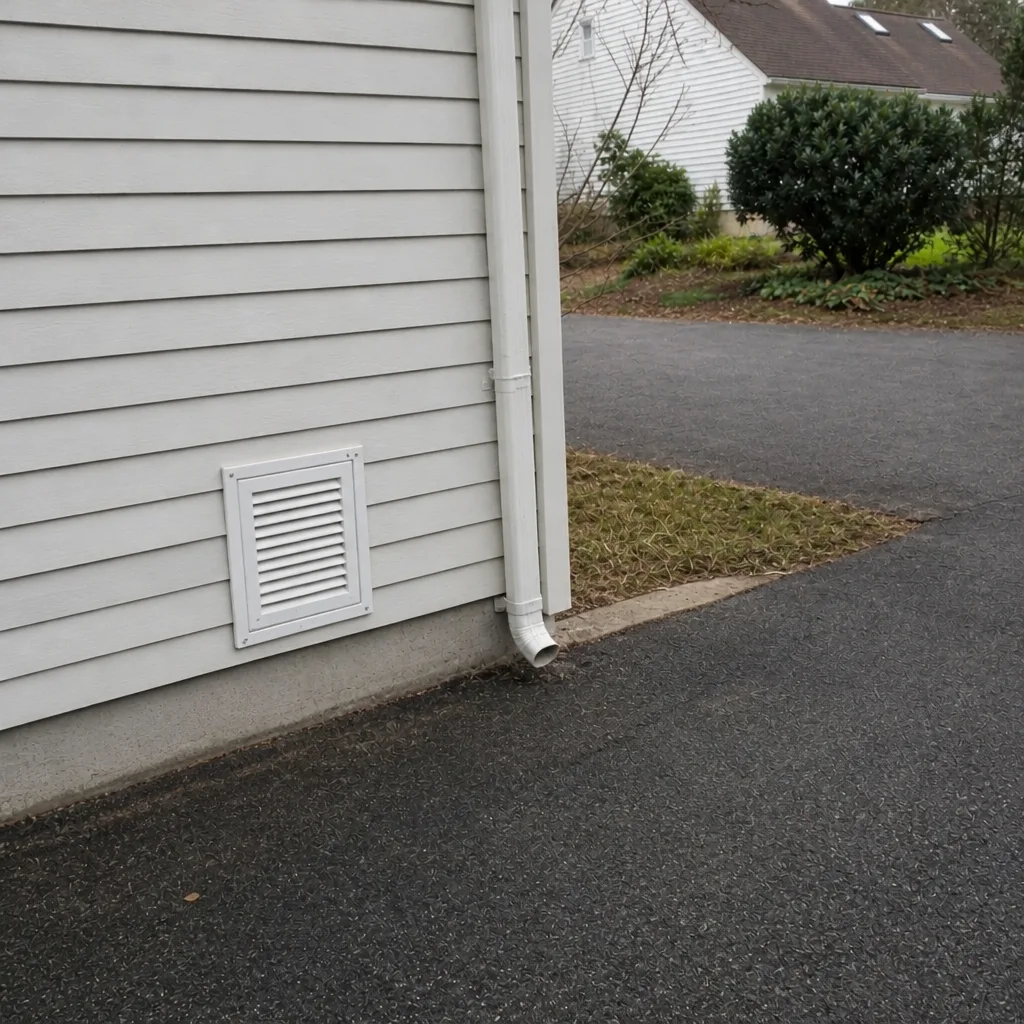
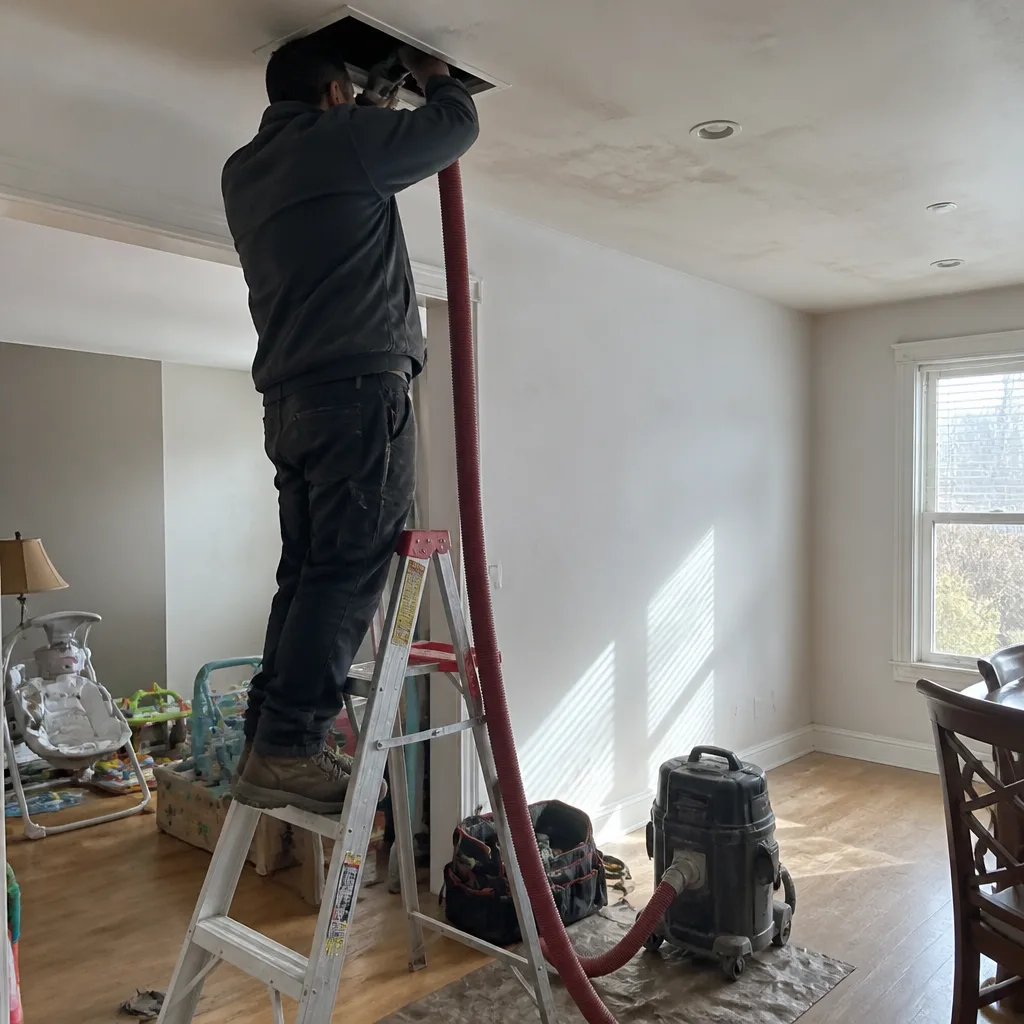
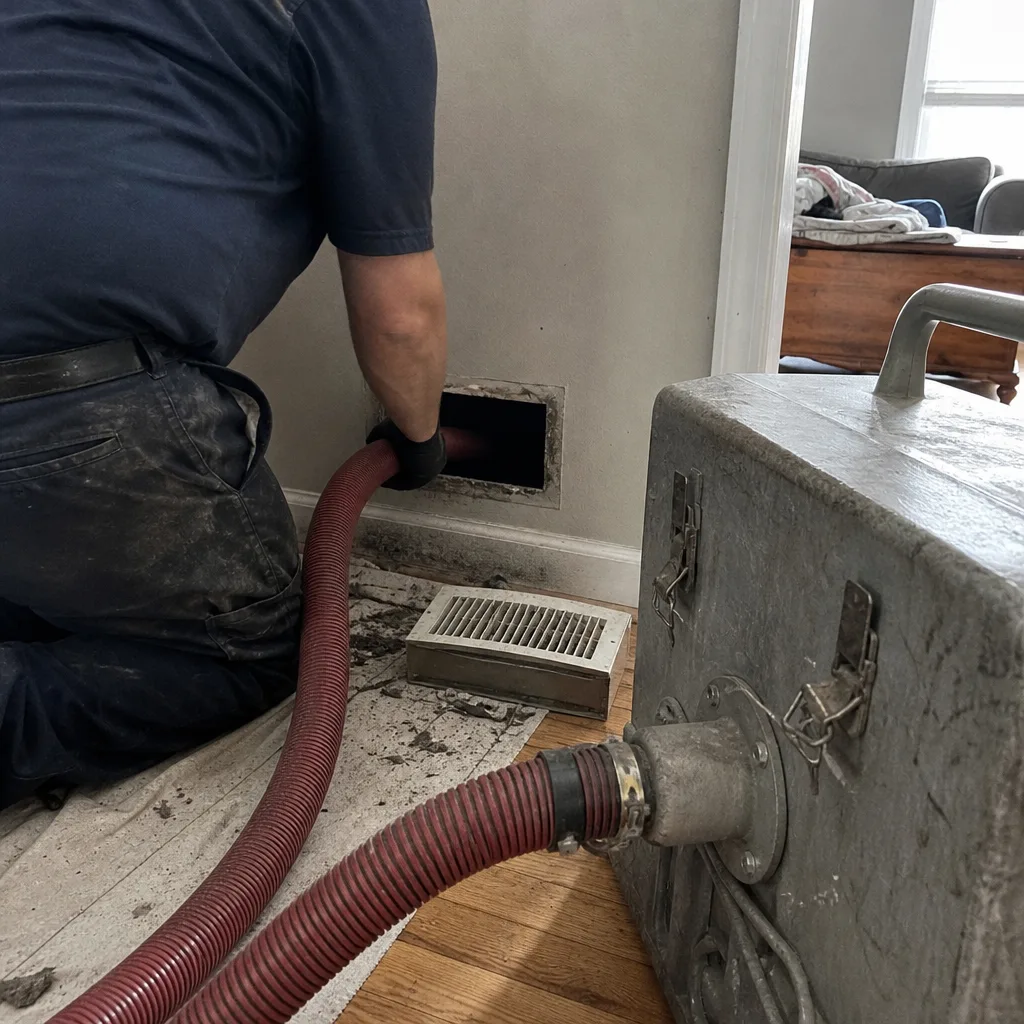
Whole-system duct and dryer vent check with before-and-after photos - you see exactly what came out of your vents
That "$99 whole-house special" is a bait ad - the real number appears once they are in your hallway, or the "clean" is a shop-vac at the register. We photograph the inside of your ducts before and after instead.
Seasonal Air Duct Cleaning Care for Albany: Year-Round Homeowner’s Guide
Most homeowners treat duct cleaning as a once-every-few-years chore, something to schedule when a coupon lands in the mailbox or when they finally notice dust settling on the furniture faster than usual. That approach misses the bigger picture. In Albany, your duct system doesn’t sit still between cleanings – it responds to every season, from the deep freeze that drives the heating system hard for months to the spring pollen load that pushes airborne debris straight into your return registers. Winter temperature cycling alone creates condensation patterns inside uninsulated ductwork, and homeowners often only discover them when they smell something off on the first heating run of autumn.
This guide maps specific actions to specific seasons so you can stay ahead of the build-up instead of reacting to it. You’ll learn what each Albany season does to your ducts, what to check before it starts, and how a rolling 12-month log makes professional visits more targeted.
Styles & brands we work with
- Whole-home duct cleaning
- Dryer vent cleaning
- Camera inspection
- Sanitizing & deodorizing
Quick Answer
Duct care in Albany works best on a seasonal rhythm: inspect before the heating season in fall, address spring pollen loading in return-air ducts, watch for humidity infiltration through leak points in summer, and verify condensation-free ductwork in winter. A professional cleaning is most valuable in fall, ahead of the heating season, when you can address debris and found damage before the system runs continuously. Year-round attention between professional visits prevents the compounding build-up that makes cleaning costlier and less effective.
Table of Contents
- Why Albany’s Climate Is Hard on Duct Systems
- Winter: What to Check Before and During Heating Season
- Spring: Managing Pollen Loading in Return-Air Ducts
- Summer: Humidity Infiltration and What It Deposits Inside
- Fall: Pre-Heating-Season Inspection Priorities
- Building a Rolling 12-Month Duct Log
- What Professional Equipment Actually Changes
- Common Mistakes to Avoid
- When to Call a Professional
- Frequently Asked Questions
- The Bottom Line
Why Albany’s Climate Is Hard on Duct Systems
Albany averages 141 days below freezing annually. That number matters for your ducts because every one of those cold periods pushes the heating system through a cycle of expansion and contraction, and any ductwork running through unconditioned spaces – attics, crawl spaces, garages – experiences temperature swings that most systems in milder climates simply don’t face. When warm, moist air moves through a duct that’s sitting in a cold space, condensation forms on the interior surfaces. Do that hundreds of times over a winter and you get a pattern of moisture exposure that promotes dust adhesion and creates the conditions where organic material can begin to accumulate.
The seasonal stress doesn’t stop when the snow melts. Albany’s tree canopy – mature maples, oaks, and the pines that line the older neighborhoods near Washington Park and the Pine Hills – produces a heavy pollen load each spring that gets drawn into return-air registers before it ever reaches the living space. Then summer humidity arrives, and any leaks in the duct system become infiltration points for moist air that deposits a sticky film on duct walls over the course of three months. By the time fall comes, you’re stacking pollen residue on top of summer humidity deposits on top of winter condensation cycling.
That’s the core problem: these effects compound. A duct system that gets cleaned on a rigid once-every-three-years schedule is absorbing twelve seasons’ worth of stress between visits. Understanding each season separately lets you time your professional cleaning for maximum value and do the right maintenance in between. If you want the baseline picture of how duct cleaning works before season-specific care, our air duct cleaning page covers the process start to finish.
One more local factor: Albany’s housing stock is old. A large share of the homes in Center Square, the Ten Broeck Triangle, and the Delaware Avenue corridor were built long before flex duct and sealed metal trunk lines became standard. Those older systems often have more joints, more transitions, and more unsealed seams – which means more places for seasonal debris to settle and more leak points for summer humidity to find.
Winter: What to Check Before and During Heating Season
The single most important winter task happens before the first cold snap: run your heating system through a few full cycles while you still have time to notice problems. After a summer of inactivity, the first few run cycles push out whatever settled in the ducts during the off-season – dust, pollen residue, and sometimes a musty smell that’s the first sign of the moisture exposure we described earlier. If that smell shows up, don’t ignore it.
Here’s a numbered checklist for the start of heating season:
- Run three or four full heating cycles before you need the system for daily warmth. Listen at each register for rattles, whistles, or a change in airflow.
- Smell the air at each register during the first cycle. Any musty or earthy odor points to moisture in the ductwork or a filter that’s overdue.
- Check exposed ductwork in unconditioned spaces for condensation or frost on the exterior of the duct. That’s a sign of lost insulation or a duct that’s routing warm, moist air through a cold space.
- Replace the filter before the heating season starts. A filter loaded with summer pollen restricts airflow and forces the system to work harder through the coldest months.
- Confirm airflow at every register stays strong through the first week of regular heating. A register that’s noticeably weaker than the others may mean a collapsed duct or a disconnected joint.
Through the winter, the main thing to watch is condensation. Any duct run passing through an unconditioned attic or garage is a candidate. If you see standing water in a drip pan or frost forming on the outside of a duct, the insulation is compromised, and the interior of that duct is accumulating moisture. That’s a repair problem, not just a cleaning problem – and it’s one we handle directly rather than sending you to a second contractor.
The good news: winter is generally the quietest season for duct cleaning demand in Albany, which means scheduling a December or January visit is usually easy. If you smell something or suspect moisture, that’s the season to get eyes on it.
Spring: Managing Pollen Loading in Return-Air Ducts
Spring is when Albany’s return-air ducts fill fastest. The trees come on strong and quick – the maples first, then the oaks – and every open window during a warm afternoon sends pollen straight into the return-air path. Your return registers are the big intake for the whole system. Whatever pulls past them is what your ducts are collecting.
The reason this matters more than most homeowners realize: pollen isn’t just dust. It’s fine, sticky, and tends to cling to duct interiors rather than blow through. When it combines with the residual moisture from the winter condensation cycle, it forms a film on the duct walls that catches everything behind it. By late spring, a system that felt fine in January can feel stale and dusty, and allergy sufferers notice it first.
Spring tasks worth building into the year:
- Keep windows closed on high-pollen days and rely on the filter load instead. It’s a trade-off, but it keeps the return-air path cleaner during the heaviest three to four weeks of the season.
- Check the filter every 30 days through spring rather than the typical 90. Spring is the one season in Albany where a filter genuinely loads fast.
- Note any register that feels weak as the season progresses – reduced airflow in spring can indicate a duct that’s been partly blocked by accumulated debris from winter.
- Consider a filter upgrade if anyone in the house has seasonal allergies. Higher-efficiency filters trap finer pollen particles, but they also need the duct system to be clean behind them or they just recirculate what’s already there.
If allergies are the driving concern, this is also the right season to talk about whole-home air quality. We work with Duct Cleaning Albany systems built to run alongside Honeywell and Aprilaire equipment, which means a cleaning visit can be timed to fit into a whole-home air-quality setup you already have or are considering. Spring pollen season is when that compatibility matters most.
Summer: Humidity Infiltration and What It Deposits Inside
Summer is the sneaky season for duct problems. Your cooling system is running, which means the ducts are carrying cold air. The surrounding attic or crawl space is hot and humid. Any leak in the system – a loose joint, a disconnected flex duct, a gap at a register boot – creates a pressure differential that pulls hot, humid air into the duct. Where that air meets cold duct surfaces, moisture condenses.
What does three months of that deposit? A film of dust that’s been bound by moisture, sometimes a light growth that shows up as discoloration on duct interiors, and – the most telling sign – a musty smell that comes out of registers when the system first starts each day. The moisture itself doesn’t destroy the duct, but it creates conditions that make the duct a better home for everything that collects there.
How to spot summer humidity infiltration before it becomes expensive:
- Look for condensation on the outside of any exposed supply duct in the attic or crawl space. Visible moisture on the duct exterior means the interior is seeing even more.
- Track a daily musty smell at the registers. If it shows up consistently on system start-up, it’s a moisture pattern, not an occasional blip.
- Check drip pans for standing water that isn’t draining. Poor drainage plus duct moisture is a double problem.
- Feel the airflow at registers on the hottest, most humid days. If airflow drops noticeably in humid weather, the system is working against leaks that are pulling outside air into the ducts.
We inspect for duct leaks as part of every cleaning visit, and when we find them, we handle the repair in-house. Most cleaning-only services spot a leak and tell you to call someone else. We don’t just clean – we repair, which means a summer humidity problem gets fixed at the source rather than being capped with another cleaning.
Fall: Pre-Heating-Season Inspection Priorities
Fall is the best time in Albany to schedule professional duct cleaning, and it’s not close. Here’s why: you’re about to enter the season when the system runs most continuously, and a clean system delivers the full heating season with no accumulated debris. Clean in October or early November and every day of the heating season benefits from it. Clean in January and you’ve already put two months of heating through a loaded system.
The pre-heating-season inspection priorities, in order:
- Inspect the full duct system for accumulated debris from summer humidity infiltration and spring pollen loading. Both have had a full season to settle.
- Check every accessible joint and connection for leaks before the system runs hard. Leaks found in fall are easy to address; leaks found in the middle of winter when the system is stressed are more urgent.
- Verify insulation on ductwork in unconditioned spaces. Missing or degraded insulation is the number one driver of winter condensation, and fall is the last good window to address it before the cold.
- Clean the full system using professional-grade equipment – we run Rotobrush and Nikro systems on every job, the same class of equipment commercial contractors rely on.
- Replace filters and verify airflow at every register after cleaning, so you know the system is balanced going into the heating season.
The other reason fall is optimal: it’s when we see the most repair opportunities. Debris that’s been piling up all year often conceals small duct problems – a torn flex line, a separated joint, a crushed section that’s been throttling airflow to one room. Finding those in fall means you can actually enjoy the fix during the season it matters.
Dryer vents also deserve a fall check, and homeowners often skip them because they’re out of sight. Your dryer vent is a fire risk, not a maintenance afterthought. Lint accumulates whether you notice it or not, and the standard advice to check it annually exists for a reason. If you need dryer vent cleaning, we handle it alongside the fall duct visit so it’s one appointment.
Building a Rolling 12-Month Duct Log
A rolling 12-month log is the single most useful habit a homeowner can build for duct care. It’s not elaborate – a notebook, a note on your phone, or a shared family calendar all work – but it turns every professional visit into a targeted one instead of a guess. When a technician arrives with a year of observations in hand, they know exactly what to inspect and where the trouble spots are likely to be.
What to record, and when:
- Monthly: Filter change date, any change in airflow or smell at the registers, and a one-line weather note (heavy pollen week, humid stretch, first deep freeze).
- Seasonally: Which registers feel weak, whether you saw any condensation on exposed ducts, and any strange noise at system start.
- At each professional visit: What was cleaned, what was found – repairs or leaks – and the date. Note the before-and-after photos the technician takes; those give you a visual record of the duct system’s condition over time.
- Annually: A summary note. Was this year harder on the ducts than last? Why? That’s the line that turns a log into an actual maintenance plan.
Why this pays off in Albany specifically: the climate cycles that stress your ducts are predictable. If your log shows that a musty smell appears every August, you know the problem is summer humidity infiltration and you can address the leaks before the next summer rather than re-cleaning the system each fall and wondering why the smell returns. The log lets you spend money on the actual cause. For any local context on how the pieces fit together, the Albany page on this site covers the broader service picture.
What Professional Equipment Actually Changes
Most of the seasonal care we’ve described depends on the system actually getting clean when it’s cleaned. That’s where the equipment question comes in, and it’s the difference most homeowners never see. A shop vac and a flexible brush will pull dust off the surfaces it can reach. It won’t agitate and extract the material that’s binding to duct walls after a season of moisture, and it can’t provide containment for the debris it disturbs.
What we use matters for the seasonal argument:
- Rotobrush and Nikro systems are professional-grade cleaning equipment, the same class used by commercial and industrial contractors. They agitate duct interiors and extract the loosened material under controlled airflow, which is what allows a fall cleaning to actually reset the system rather than just skim it.
- Abatement Technologies equipment gives us HEPA-level containment capability. That matters most for homes with serious air-quality concerns – allergy-motivated homeowners, recent purchases in older Albany homes, or anyone whose spring pollen season hits harder than they’d like.
- Compatibility with Honeywell and Aprilaire whole-home air-quality systems means the cleaning fits into a broader IAQ setup rather than working against it.
- In-house duct repair means the leaks we find during cleaning get fixed by the same crew, no subcontracting, no second appointment.
None of this is about the equipment for its own sake. It’s about whether a seasonal cleaning schedule actually delivers the result you’re paying for. A cleaning in October that only skims the duct surfaces hasn’t reset the system for the heating season. A cleaning with the right equipment has. That’s the difference we’re built around, and it’s why we invite you to see exactly what we use and why it matters before deciding who cleans your ducts.
For homeowners with allergies, a recent purchase, or a dryer that’s taking noticeably longer than it used to, the equipment gap is usually the reason a cheap cleaning felt cheap. See our Duct Cleaning Albany page for the full picture of how a professional visit runs in this city.
Common Mistakes to Avoid
- Treating duct cleaning as a once-every-three-years task. Albany’s climate stacks seasonal stress year-round, so a multi-year gap means the system absorbs everything before it ever gets addressed. The right rhythm is annual inspection with cleaning timed to fall.
- Waiting for a coupon before scheduling. Low-bid duct cleaning often means consumer-grade equipment and a skim-level pass. Ask what equipment the contractor uses before you book – Rotobrush and Nikro are the names worth hearing.
- Skipping the first heating cycle. Running the system through a few full cycles before the cold season starts is when you catch the musty smell or condensation that tells you the ducts need attention. If you wait until it’s cold, you’re discovering problems in the wrong season.
- Ignoring the dryer vent. Your dryer vent is a fire risk, and it’s separate from the HVAC ducts. Lint accumulation is invisible from the laundry room but accumulates regardless. Fall is the natural time to have it cleaned alongside the duct visit.
- Letting a cleaning-only service find a leak and hand you off. When a cleaning crew finds a disconnected duct or a torn flex line, most walk away and tell you to find someone else. Choose a provider that also performs duct repair so the system gets fully addressed in one visit.
- Not keeping any record. Without a log, every professional visit starts from scratch, and you can’t tell whether a problem is new or recurring. A simple notebook turns every visit into a targeted inspection.
- Assuming new-build ductwork is exempt. Newer homes in Albany’s newer subdivisions still face the same seasonal climate, and builder-grade flex duct has more leak points than many homeowners expect. Seasonal inspection applies to new construction too.
When to Call a Professional
Seasonal care covers most of the year. But some situations call for a professional visit outside the normal rhythm, and waiting for fall isn’t always the right call. Call us if any of these apply:
- A musty or earthy smell consistently appears at the registers after the system has been running.
- You see condensation, frost, or standing water on exposed ductwork or in drip pans.
- Airflow at one or more registers has dropped noticeably and stayed low.
- You’ve recently purchased a home in Albany and don’t know when the ducts were last cleaned.
- The dryer takes longer than it used to, or the vent has never been checked.
- Anyone in the home has seasonal allergies that seem worse indoors than out.
Duct Cleaning Albany offers free estimates in Albany – call (888) 861-7237. We answer 24/7. Fast dispatch from 7am to 7pm, Sunday through Friday. When we arrive, we’ll look at the duct system, diagnose what’s actually going on, and give you a written estimate before any work starts.
Frequently Asked Questions
We recommend a professional inspection annually, with a full cleaning typically every one to three years depending on your home, your system, and what the log shows. Albany’s four distinct seasons each add debris and moisture stress, so an annual inspection keeps the timing honest. Homes with pets, allergy suffers, or recent renovations often need cleaning closer to the annual end of that range. Call (888) 861-7237 for a free estimate.
Fall is the best time – specifically October or early November, before the heating season starts. A fall cleaning means the system delivers the full heating season from a clean state, and it gives you a chance to address any leaks or damage before the system runs hard through winter. Winter scheduling is also easy because demand is lower, but fall delivers more value. Call (888) 861-7237 to book a fall visit.
A musty smell in summer almost always points to humidity infiltration through duct leaks. Hot, humid air gets pulled into the ducts through loose joints, meets cold duct surfaces, and condenses, creating moisture that binds dust into a film and produces a musty odor. Cleaning alone won’t fix it if the leak remains – the leak needs to be repaired. We handle both in one visit. Call (888) 861-7237 for an inspection.
Albany’s 141 days below freezing annually create repeated condensation cycles inside any ductwork running through unconditioned spaces. When warm, moist air moves through a cold duct, moisture condenses on the interior and drives dust adhesion. The practical effect is a duct system that accumulates faster than one in a milder climate, which is why an annual inspection matters more here than the national average. Call (888) 861-7237 for an inspection before winter.
Yes – spring is when return-air ducts load fastest in Albany. Pollen from the city’s maple and oak canopy gets pulled into return registers, especially during warm afternoons when windows are open, and it clings to duct interiors rather than passing through. The pollen combines with any residual winter moisture to form a film that catches subsequent dust. Cleaning in late spring or early fall helps remove the accumulated load. Call (888) 861-7237 to schedule.
Yes, and that’s the reason we handle repair in-house rather than subcontracting. During a cleaning visit we inspect the system for leaks, disconnected joints, and damaged duct sections. When we find them, we address them as part of the visit so the system gets fully corrected rather than just cleaned. Most cleaning-only services spot a problem and hand you off to someone else. Call (888) 861-7237 to schedule.
The Bottom Line
Albany’s climate doesn’t let your ducts take a year off. Winter condensation, spring pollen loading, summer humidity infiltration, and fall debris each add a layer, and they compound if left unaddressed. The winning approach isn’t a rigid once-every-three-years schedule – it’s seasonal care, with a professional cleaning timed to fall, an annual inspection, a simple rolling log, and a provider equipped to handle both cleaning and repair in one visit. Our technicians have up to 9 years of experience, and we run professional-grade Rotobrush and Nikro equipment on every job. If a duct problem is getting harder to ignore, the seasonal guide above tells you which season you’re in.
Call Duct Cleaning Albany at (888) 861-7237 for a free estimate. We answer 24/7. Fast dispatch from 7am to 7pm, Sunday through Friday. Every job gets a written estimate before work starts, and you’ll see before-and-after photos of your own ducts when the work is done.
Written by the team at Duct Cleaning Albany.
See the difference
 Before
 After
 Before
 After
 Before
 After